Voice AI: The Final Frontier of Access in India, Says Nandan Nilekani
3 min readArtificial Intelligence

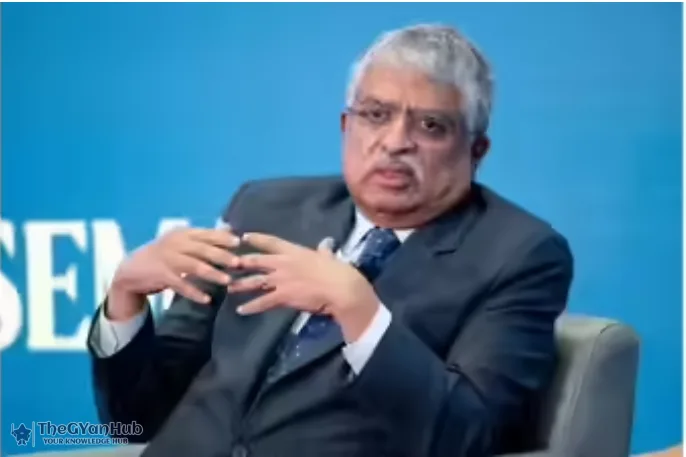
In a recent discussion, Nandan Nilekani, co-founder of Infosys and a prominent figure in India's tech landscape, highlighted the crucial role of Voice AI in revolutionizing access to information and services in India. As the nation continues to embrace digital transformation, Voice AI stands out as a pivotal technology that can bridge the accessibility gap for millions of people.
Voice AI technology allows users to interact with devices and services using natural language, making it particularly beneficial in a linguistically diverse country like India. With over 1.3 billion people speaking more than 120 languages, the ability to communicate through voice can democratize access to information.
Nilekani pointed out that many individuals, especially in rural areas, face challenges in accessing digital services due to language barriers and lack of literacy. Voice AI can serve as a solution, enabling these individuals to engage with technology in a more intuitive manner.
The digital divide in India is a pressing issue, with significant disparities in access to technology and information. Voice AI can help bridge this divide by providing a user-friendly interface that does not require advanced technical skills. This technology can empower users to access government services, educational resources, and healthcare information simply by speaking.
Moreover, Voice AI can facilitate communication in local languages, ensuring that users can interact with services in a language they are comfortable with. This inclusivity is essential for fostering a more equitable digital landscape.
Voice AI has numerous applications across various sectors in India. Here are some key areas where this technology is making a significant impact:
Healthcare: Voice AI can assist patients in scheduling appointments, accessing medical information, and receiving reminders for medication, all through voice commands.
Education: Students can use Voice AI to access learning materials, ask questions, and receive explanations in their native language, enhancing their educational experience.
Government Services: Citizens can interact with government portals to obtain information about services and benefits, making governance more accessible.
Banking and Finance: Voice AI can simplify banking transactions, allowing users to check balances, transfer funds, and pay bills using voice commands.

Despite the promising potential of Voice AI, several challenges remain. One of the primary concerns is ensuring the accuracy and reliability of voice recognition technology, especially in understanding diverse accents and dialects. Continuous improvement in AI algorithms is necessary to enhance the user experience.
Additionally, privacy and data security are critical issues that need to be addressed. Users must feel confident that their voice data is handled securely and ethically.
Nandan Nilekani's insights into the role of Voice AI in India underscore the technology's potential to transform access to information and services. As India continues to evolve digitally, embracing Voice AI could lead to a more inclusive society where everyone has the opportunity to benefit from technological advancements.
May 11, 2026
On National Technology Day, a striking trend emerges as India purchases an AI course every three minutes. This article explores whether this investment in AI education is truly yielding benefits.
April 28, 2026
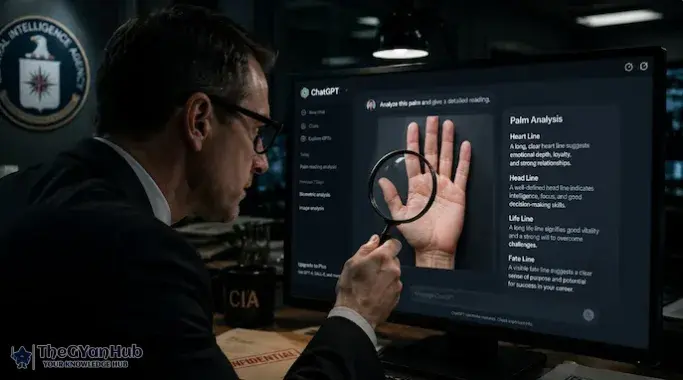
The viral ChatGPT palm reader meme has ignited concerns about privacy, with many fearing that the CIA may have access to their fingerprints. This article explores the origins of the meme and the underlying anxieties it reflects.

April 27, 2026
OpenAI is venturing into the smartphone market with an innovative AI device that boasts agentic capabilities, posing a significant challenge to industry giants like Apple and Samsung. This article explores the potential impact of this groundbreaking technology.

I’m a passionate writer who loves exploring ideas, sharing stories, and connecting with readers through meaningful content.I’m dedicated to sharing insights and stories that make readers think, feel, and discover something new.