The AI Infrastructure Race: India Steps Up to Bridge the Gap
3 min readScience

The race for artificial intelligence (AI) infrastructure is heating up globally, with major players like the United States and China leading the charge. However, India is now stepping in, aiming to carve out its own space in this competitive landscape. The country's efforts are crucial as AI continues to transform industries and economies worldwide.
India has long been recognized for its IT services and software development capabilities. In recent years, the government and private sector have increasingly focused on AI as a key driver of growth. Initiatives such as the National AI Strategy aim to position India as a global hub for AI innovation.
Despite these efforts, significant gaps remain in India's AI infrastructure. The country faces challenges in areas such as data availability, computing power, and skilled workforce. Addressing these issues is essential for India to compete effectively on the global stage.

The Indian government has launched various programs to promote AI research and development.
Private companies are investing heavily in AI startups and technologies.
Collaborations between academia and industry are being encouraged to foster innovation.
While India is making strides, several challenges hinder its progress in the AI infrastructure race. One of the primary issues is the lack of access to quality data, which is crucial for training AI models. Additionally, the country needs to enhance its computing capabilities to support advanced AI applications.
Furthermore, there is a pressing need for a skilled workforce adept in AI technologies. Educational institutions must adapt their curricula to meet the demands of the evolving job market, ensuring that graduates are equipped with the necessary skills.
To overcome these challenges, collaboration between the government, industry, and academia is vital. By working together, stakeholders can create a robust ecosystem that supports AI development and implementation. This collaborative approach will also help in addressing regulatory and ethical concerns associated with AI technologies.
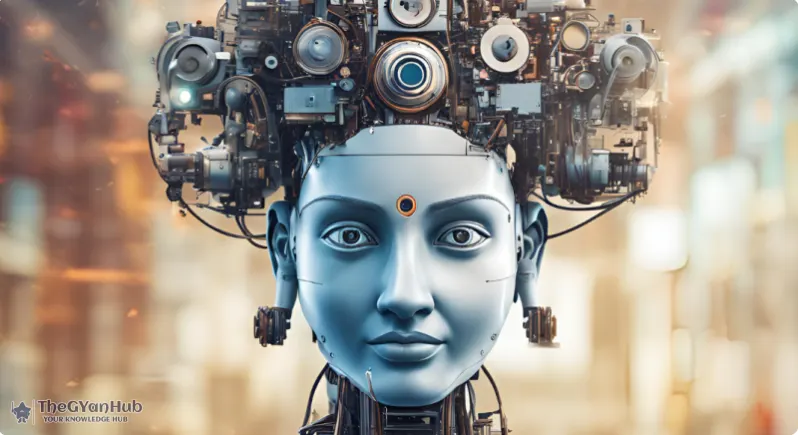
As countries like the United States and China continue to dominate the AI landscape, India must find its unique strengths to remain competitive. The country's diverse population and rich cultural heritage can serve as valuable assets in developing AI solutions tailored to local needs.
Moreover, India's democratic framework and emphasis on inclusivity can provide a different perspective on AI ethics and governance, setting it apart from other nations.
The future of AI in India looks promising, provided that the country can effectively address its current challenges. With the right investments and policies, India has the potential to emerge as a significant player in the global AI infrastructure race.
In conclusion, while India is making commendable efforts to step into the AI infrastructure race, it must continue to work on bridging the existing gaps. By fostering collaboration and investing in key areas, India can position itself as a leader in the AI revolution.
March 21, 2026
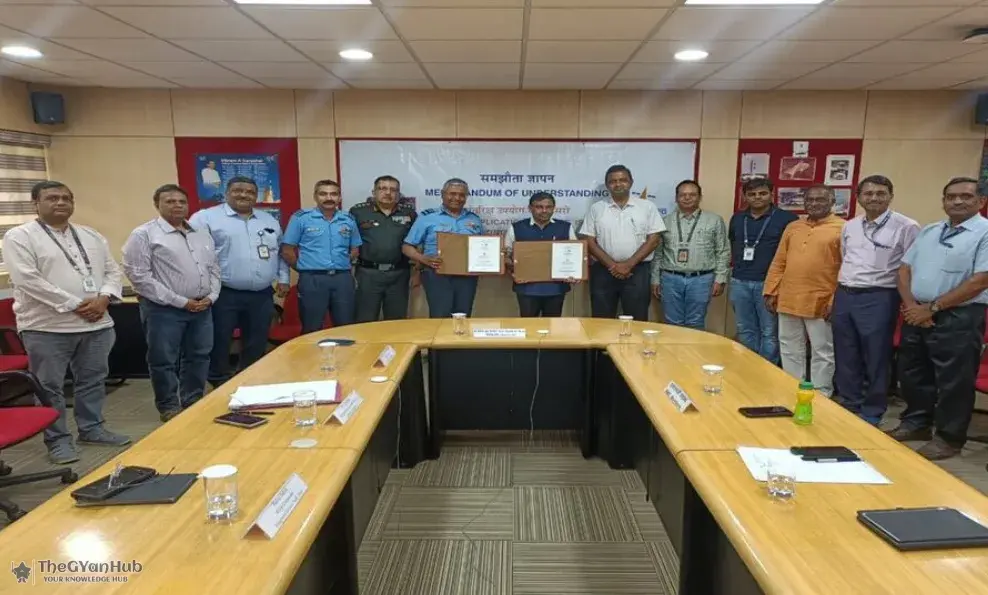
India is leveraging advanced space technology to enhance military communication and improve soldier healthcare. This article explores the innovative strategies being implemented.

March 10, 2026
Andhra Pradesh (AP) is setting a benchmark in pollution management through innovative technology solutions. This article explores AP's initiatives and their impact on environmental sustainability.

March 8, 2026
Chennai is set to witness significant developments with a new bridge plan, advancements in IIT's space technology, and a health initiative from the High Court. This article explores these key updates shaping the city's future.

I’m a passionate writer who loves exploring ideas, sharing stories, and connecting with readers through meaningful content.I’m dedicated to sharing insights and stories that make readers think, feel, and discover something new.