India's Vision for Independent AI: Full Control and a 'Kill Switch'
3 min readArtificial Intelligence

As artificial intelligence (AI) continues to evolve, nations around the world are exploring its potential to revolutionize governance, healthcare, education, and justice. India, in particular, is making strides towards developing independent AI systems that not only enhance efficiency but also ensure safety and control. A key component of this vision is the implementation of a 'kill switch' that allows for immediate intervention in case of malfunction or misuse.
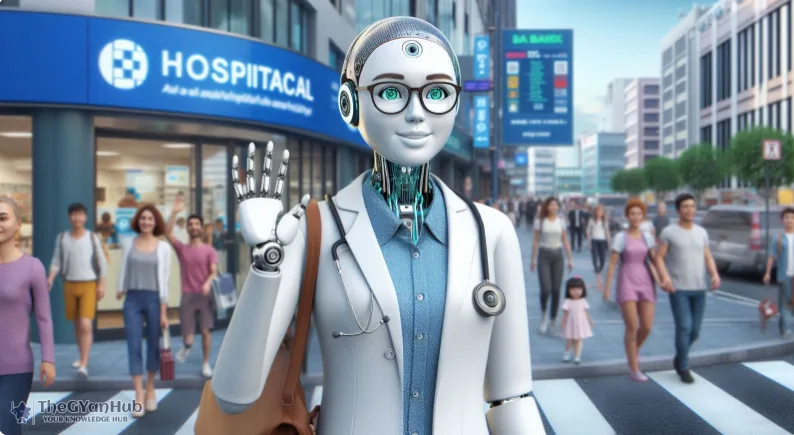
Independent AI refers to systems that can operate autonomously, making decisions based on data analysis without human intervention. This capability is crucial for India, where the population is vast and diverse, requiring tailored solutions in various sectors. The integration of AI can lead to improved governance, as it can analyze data and provide insights that help in policy-making and resource allocation.
In governance, AI can streamline processes, reduce bureaucratic delays, and enhance transparency. By utilizing AI-driven analytics, government officials can make informed decisions that benefit citizens. For instance, AI can help identify areas needing urgent attention, such as healthcare or infrastructure, allowing for timely interventions.
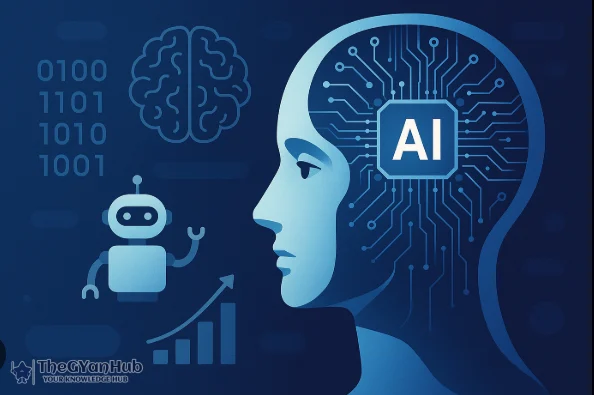
The healthcare sector stands to gain immensely from AI technologies. With the ability to analyze large datasets, AI can assist in diagnosing diseases, predicting outbreaks, and personalizing treatment plans. Moreover, AI can optimize hospital management, ensuring that resources are allocated efficiently.
In education, AI can provide personalized learning experiences for students, adapting to their individual needs and learning paces. This approach can help bridge educational gaps, particularly in rural areas where access to quality education is limited. AI can also assist teachers by automating administrative tasks, allowing them to focus more on student engagement.

One of the most critical aspects of India's AI strategy is the implementation of a 'kill switch'. This feature is designed to ensure that AI systems can be shut down immediately in case of unforeseen consequences or ethical concerns. The 'kill switch' acts as a safeguard, preventing potential harm that could arise from autonomous decision-making.
As AI systems become more integrated into society, ethical considerations must be at the forefront of their development. The 'kill switch' is a response to concerns about AI's potential to make decisions that could adversely affect individuals or communities. By ensuring that humans retain ultimate control over AI systems, India aims to build public trust in these technologies.
To successfully implement independent AI with a 'kill switch', public engagement is essential. Policymakers must involve citizens in discussions about the ethical implications of AI and gather feedback on proposed regulations. This collaborative approach can help shape policies that reflect the values and concerns of the population.
India's ambition to develop independent AI systems with full control and a 'kill switch' marks a significant step towards modernizing governance and public services. By prioritizing safety and ethical considerations, the nation aims to harness the power of AI while ensuring that it serves the best interests of its citizens. As this initiative unfolds, it will be crucial to monitor its impact and adapt policies accordingly.

May 11, 2026
On National Technology Day, a striking trend emerges as India purchases an AI course every three minutes. This article explores whether this investment in AI education is truly yielding benefits.

April 28, 2026
The viral ChatGPT palm reader meme has ignited concerns about privacy, with many fearing that the CIA may have access to their fingerprints. This article explores the origins of the meme and the underlying anxieties it reflects.

April 27, 2026
OpenAI is venturing into the smartphone market with an innovative AI device that boasts agentic capabilities, posing a significant challenge to industry giants like Apple and Samsung. This article explores the potential impact of this groundbreaking technology.

I’m a passionate writer who loves exploring ideas, sharing stories, and connecting with readers through meaningful content.I’m dedicated to sharing insights and stories that make readers think, feel, and discover something new.