Envisioning a Semiconductor University in India: A Step Towards Future Tech Needs
3 min readArtificial Intelligence
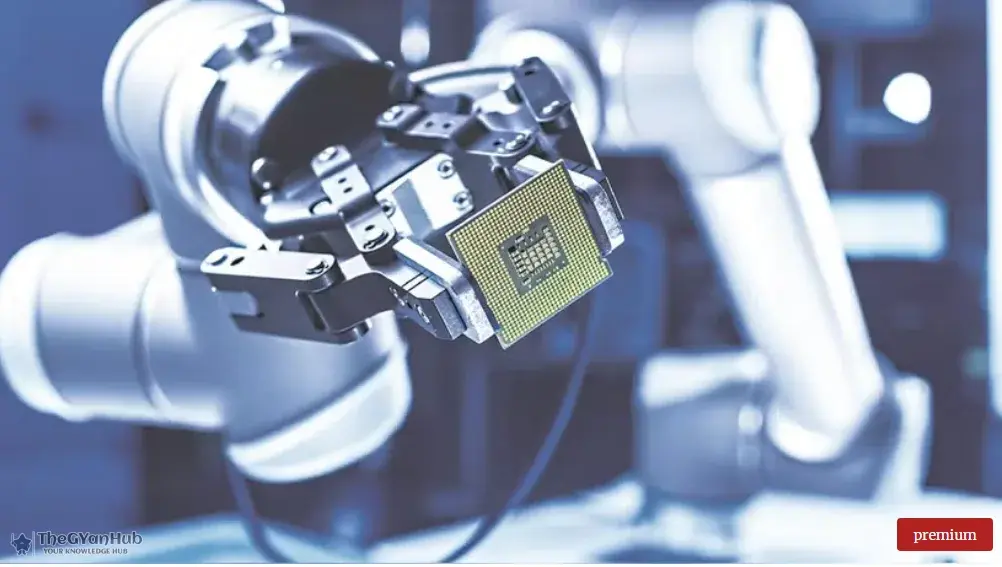
In response to the increasing global demand for semiconductor technology, India is taking significant steps towards establishing a dedicated semiconductor university. This initiative aims to equip the nation with the necessary skills and knowledge to thrive in the rapidly evolving tech landscape. With the semiconductor industry being a critical component of modern electronics, the establishment of such an institution is both timely and essential.

The semiconductor industry is at the heart of technological innovation, powering everything from smartphones to advanced computing systems. As countries around the world race to secure their supply chains and develop cutting-edge technologies, India recognizes the need for a specialized institution that can foster talent and research in this field.
The proposed semiconductor university will focus on various aspects of semiconductor technology, including design, fabrication, and application. By providing a comprehensive curriculum that combines theoretical knowledge with practical experience, the university aims to produce skilled professionals who can contribute to the industry.
Skill Development: Equip students with the necessary skills to excel in the semiconductor industry.
Research and Innovation: Foster research initiatives that can lead to breakthroughs in semiconductor technology.
Industry Collaboration: Partner with leading tech companies to provide students with real-world experience and job opportunities.
Global Competitiveness: Position India as a key player in the global semiconductor market.
The Indian government has expressed strong support for this initiative, recognizing the strategic importance of semiconductors in national security and economic growth. Funding will be allocated to develop state-of-the-art facilities and attract top-tier faculty from around the world.
Additionally, collaborations with international semiconductor firms are expected to enhance the university's offerings and provide students with exposure to global best practices.
While the vision for a semiconductor university is promising, several challenges must be addressed. These include ensuring a steady pipeline of qualified faculty, developing a robust curriculum that meets industry standards, and securing ongoing funding for research and development.
Moreover, the university will need to establish partnerships with industry leaders to ensure that its programs remain relevant and aligned with market needs.
The establishment of a semiconductor university in India is a forward-thinking initiative that promises to enhance the country's technological capabilities. By focusing on education, research, and industry collaboration, India can position itself as a leader in the semiconductor sector, ultimately contributing to its economic growth and technological advancement.
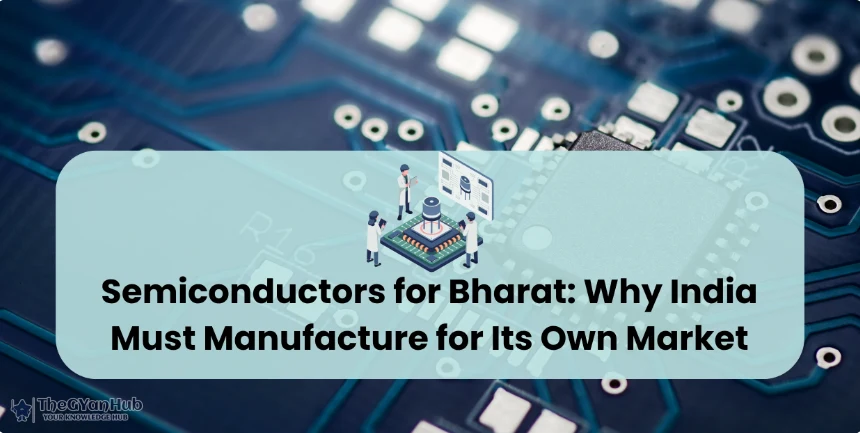
This initiative not only aims to meet the current tech needs but also prepares India for future challenges in the semiconductor landscape.

March 15, 2026
ByteDance has paused the global launch of its SeeDance 2.0 AI platform following legal threats from Hollywood. This decision raises questions about the intersection of technology and intellectual property rights.
March 15, 2026
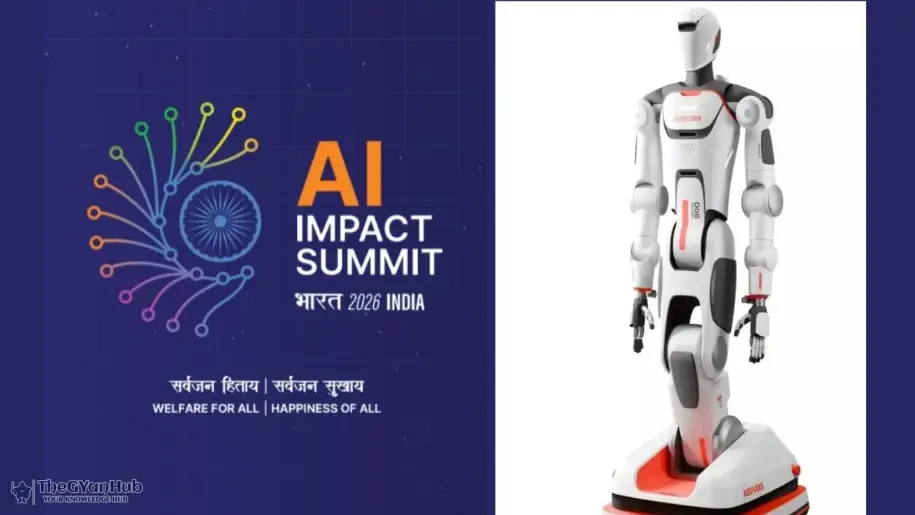
Bidyut's Managing Director announces the upcoming launch of made-in-India robots, promising to enhance various industries. This development marks a significant milestone in India's technological landscape.

March 12, 2026
A recent report by Justdial reveals a staggering 125% increase in AI service searches across India, highlighting the growing reliance on artificial intelligence in various sectors. This surge reflects a significant shift in consumer behavior and technological adoption.

I’m a passionate writer who loves exploring ideas, sharing stories, and connecting with readers through meaningful content.I’m dedicated to sharing insights and stories that make readers think, feel, and discover something new.