Exciting News: Made-in-India Robots Set to Revolutionize Technology
2 min readArtificial Intelligence
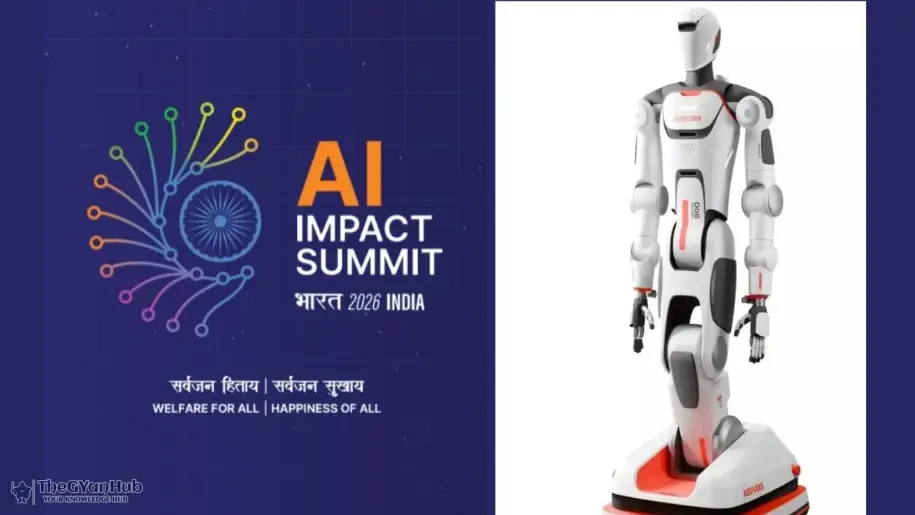
In a groundbreaking announcement, the Managing Director of Bidyut has revealed that made-in-India robots are set to hit the market soon. This initiative is expected to transform various sectors, from manufacturing to healthcare, showcasing India's growing prowess in technology and innovation.
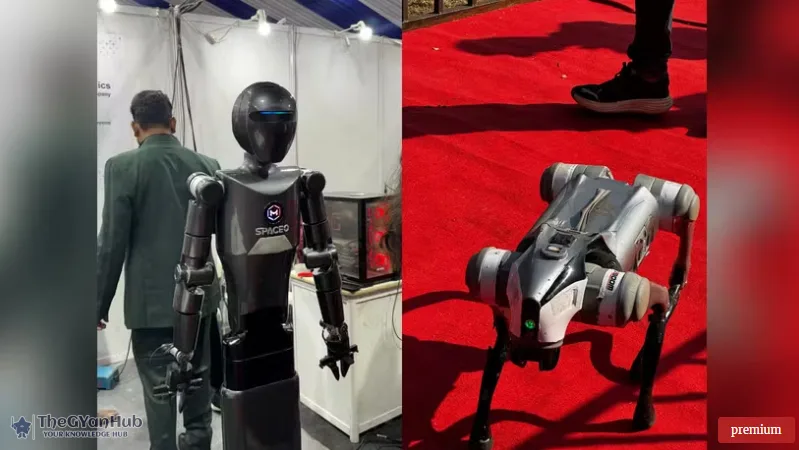
Bidyut's commitment to developing indigenous robotic solutions stems from a vision to enhance productivity and efficiency across industries. The MD emphasized that these robots will not only cater to local needs but also have the potential to compete globally.
Advanced AI Integration: The robots will be equipped with cutting-edge artificial intelligence, enabling them to perform complex tasks autonomously.
Customizable Designs: Businesses will have the option to customize robots according to their specific requirements, ensuring versatility.
Cost-Effective Solutions: By manufacturing locally, Bidyut aims to provide affordable robotic solutions without compromising on quality.
The introduction of made-in-India robots is poised to make a significant impact across multiple sectors. In manufacturing, these robots can streamline production processes, reduce labor costs, and enhance precision. In healthcare, they can assist in surgeries, patient care, and even in managing hospital logistics.
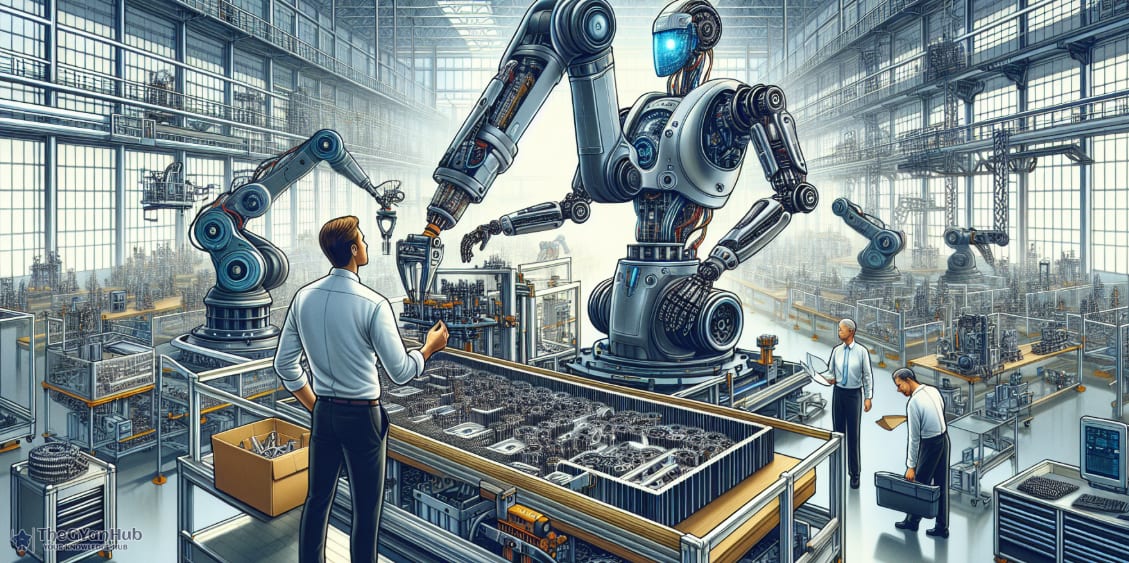
Robots in manufacturing are not a new concept; however, local production will allow for tailored solutions that address specific challenges faced by Indian manufacturers. This could lead to increased competitiveness in the global market.
In the healthcare sector, robots can play a crucial role in improving patient outcomes. From robotic surgical assistants to automated medication dispensers, the possibilities are endless. This innovation could lead to better resource management and enhanced patient care.
While the prospects are exciting, there are challenges that need to be addressed. The initial investment for businesses looking to adopt robotic solutions can be substantial. Additionally, there is a need for skilled personnel to operate and maintain these advanced machines.
The announcement by Bidyut's MD marks a pivotal moment for India's technological landscape. As the country gears up to introduce made-in-India robots, the potential benefits for various industries are immense. This initiative not only highlights India's capabilities in robotics but also sets the stage for future innovations.

May 11, 2026
On National Technology Day, a striking trend emerges as India purchases an AI course every three minutes. This article explores whether this investment in AI education is truly yielding benefits.

April 28, 2026
The viral ChatGPT palm reader meme has ignited concerns about privacy, with many fearing that the CIA may have access to their fingerprints. This article explores the origins of the meme and the underlying anxieties it reflects.

April 27, 2026
OpenAI is venturing into the smartphone market with an innovative AI device that boasts agentic capabilities, posing a significant challenge to industry giants like Apple and Samsung. This article explores the potential impact of this groundbreaking technology.

I’m a passionate writer who loves exploring ideas, sharing stories, and connecting with readers through meaningful content.I’m dedicated to sharing insights and stories that make readers think, feel, and discover something new.