Meta's Metaverse: Not Dead Yet, But Fading Away
3 min readWorld News
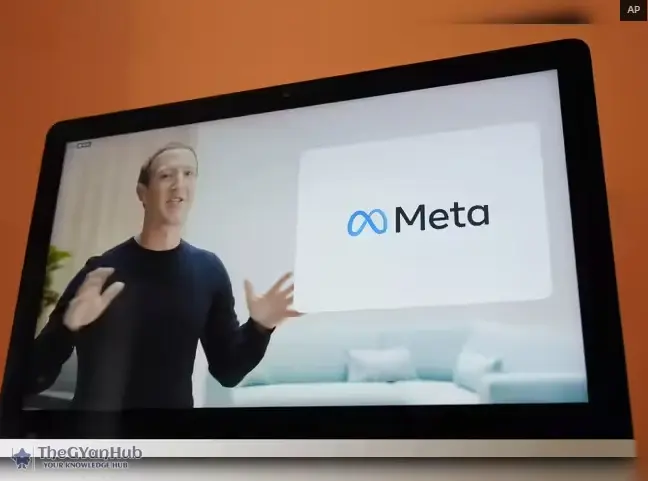
In a recent statement, Meta, the parent company of Facebook, has addressed concerns regarding the future of the Metaverse. Contrary to popular belief, Meta is not planning to kill the Metaverse project outright. Instead, the company has indicated that it will let the concept fade away over time. This revelation has sparked discussions about the future of virtual reality and the direction in which Meta is heading.

The Metaverse is often described as a collective virtual space where users can interact with a computer-generated environment and other users in real-time. It encompasses a variety of technologies, including virtual reality (VR), augmented reality (AR), and the internet. The concept gained significant attention as Meta rebranded itself from Facebook, signaling a strong commitment to building a virtual future.
Despite the initial enthusiasm surrounding the Metaverse, Meta's recent comments suggest a shift in focus. The company is now prioritizing other projects that may yield more immediate returns. This decision raises questions about the long-term viability of the Metaverse as a platform for social interaction and business.
Meta's decision to allow the Metaverse to fade away can be attributed to several factors:
Financial Considerations: The Metaverse has required substantial investment, and the returns have not met expectations. As Meta reassesses its financial strategies, it may choose to allocate resources elsewhere.
Technological Challenges: Building a fully functional Metaverse involves overcoming significant technological hurdles. Meta may be recognizing that the current infrastructure is not yet ready to support such an ambitious vision.
Market Demand: The interest in the Metaverse has waned, with users showing a preference for more traditional social media platforms. Meta's decision may reflect a response to changing consumer behavior.
For users, the fading of the Metaverse could mean a return to more conventional online interactions. While the idea of a virtual world was appealing, many users may find comfort in familiar social media experiences. However, the potential for virtual reality and augmented reality technologies remains, and Meta may still explore these avenues in different forms.

While Meta may be stepping back from the Metaverse, it does not signal the end of virtual reality. Other companies are still investing heavily in VR and AR technologies. The gaming industry, in particular, continues to embrace these innovations, creating immersive experiences that captivate users.
In conclusion, Meta's decision to let the Metaverse fade away highlights the complexities of navigating emerging technologies. While the company is not killing the Metaverse, it is clear that its focus is shifting. As the landscape of virtual reality continues to evolve, it will be interesting to see how Meta and other tech giants adapt to the changing demands of users.

May 11, 2026
Rahul Khona has made a significant return to Starbucks India as the Chief Technology Officer, bringing a wealth of experience to enhance the brand's technological advancements.

May 10, 2026
This article delves into the intricate dynamics of the coalition led by Vijay, highlighting the pivotal role played by the DMK amidst ongoing political maneuvers in Tamil Nadu.

April 29, 2026
Amazon is leveraging artificial intelligence to streamline its hiring process in anticipation of the upcoming festival rush. The company has also introduced a new AI design philosophy to enhance its operational efficiency.

I’m a passionate writer who loves exploring ideas, sharing stories, and connecting with readers through meaningful content.I’m dedicated to sharing insights and stories that make readers think, feel, and discover something new.