India Court Orders WhatsApp to Respect Privacy Rights: A Landmark Ruling
3 min readTechnology

In a landmark decision, the Indian judiciary has issued a directive to WhatsApp, demanding that the messaging giant cease its practices that compromise user privacy rights. This ruling has sparked widespread discussions about digital privacy and the responsibilities of tech companies in protecting user data.

The ruling came after numerous complaints from users and privacy advocates who argued that WhatsApp's policies were not only intrusive but also violated the fundamental right to privacy as enshrined in the Indian Constitution. The court emphasized that companies must prioritize user privacy and transparency in their data handling practices.
The case was brought to light by various civil rights organizations that highlighted the growing concerns over data privacy in the digital age. WhatsApp, owned by Meta Platforms, has faced scrutiny for its data-sharing practices, particularly after its controversial policy updates that many users found alarming.
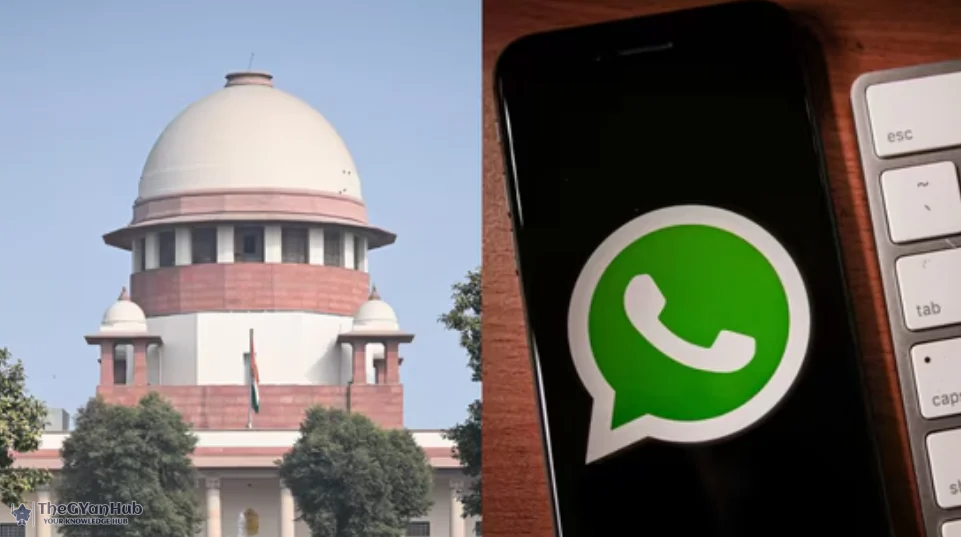
The court ruled that WhatsApp must provide clear and concise information about its data collection practices.
Users must have the option to opt-out of data sharing without losing access to the service.
WhatsApp is required to implement stronger security measures to protect user data from breaches.
This ruling is expected to have significant implications for millions of WhatsApp users in India. With privacy concerns at an all-time high, users can now expect greater transparency and control over their personal information. The court's decision reinforces the notion that user privacy should not be compromised for profit.
India's ruling is part of a larger global trend where governments are increasingly holding tech companies accountable for their data practices. Similar regulations have been enacted in the European Union with the General Data Protection Regulation (GDPR), which has set a precedent for privacy rights worldwide.

In response to the court's ruling, WhatsApp has stated that it is committed to protecting user privacy and will comply with the court's directives. The company has also expressed its intention to engage with users to better understand their privacy concerns.
This ruling could pave the way for more stringent privacy laws in India, as lawmakers may feel pressured to enact comprehensive data protection legislation. The Indian government has been working on a Personal Data Protection Bill, which aims to establish a framework for data privacy in the country.
The Indian court's directive to WhatsApp marks a significant step towards enhancing user privacy rights in the digital landscape. As the debate over data privacy continues, it is crucial for users to stay informed and advocate for their rights in the face of evolving technology.

May 5, 2026
Samsung may have inadvertently revealed details about the upcoming Galaxy Z Fold 8 and a new Wide Fold variant. This leak has generated significant buzz ahead of the official launch.

April 29, 2026
Rumors are swirling about the potential release of the Apple iPhone Ultra and MacBook Ultra. Here's what we can expect from these upcoming devices.

March 20, 2026
The iQOO Z11 is set to launch on March 26, featuring an impressive 9,020mAh battery and a stunning 165Hz display, promising to redefine smartphone performance.

I’m a passionate writer who loves exploring ideas, sharing stories, and connecting with readers through meaningful content.I’m dedicated to sharing insights and stories that make readers think, feel, and discover something new.