India's Future: Beyond IT Services to Deep Tech Innovation
3 min readTechnology

In a rapidly evolving technological landscape, India stands at a crossroads. While the nation has made significant strides in the IT services sector, Zerodha's co-founder Nithin Kamath warns that relying solely on this industry could jeopardize India's position in the global tech arena. In his recent statements, he advocates for a shift towards deep tech innovation, which encompasses advanced fields such as artificial intelligence, robotics, and biotechnology.
India's IT services sector has been a cornerstone of its economic growth, contributing significantly to GDP and employment. Major companies like Infosys, TCS, and Wipro have established a strong global presence, providing software solutions and IT support to clients worldwide. However, as the global market evolves, the demand for traditional IT services is facing challenges from automation and emerging technologies.
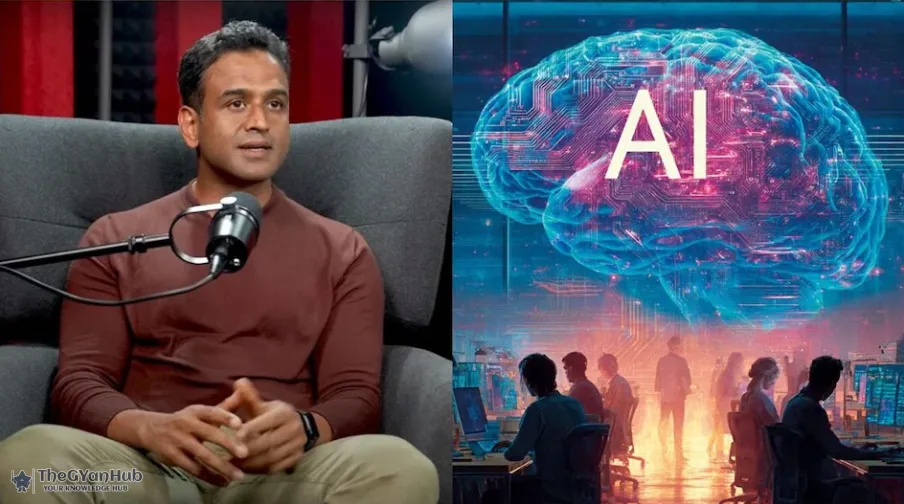
Automation: Many routine IT tasks are being automated, reducing the need for human intervention.
Global Competition: Countries like China and the US are investing heavily in advanced technologies, creating a competitive disadvantage for India.
Skill Gap: There is a growing need for skills in emerging technologies that are not being met by the current workforce.
Deep tech refers to technologies that are based on scientific discoveries and engineering innovations. These include fields such as quantum computing, biotechnology, and advanced materials. Kamath argues that for India to maintain its relevance in the global tech landscape, it must invest in these areas. Deep tech not only has the potential to create new markets but also to solve complex problems that traditional IT services cannot address.
Innovation: Deep tech fosters innovation by pushing the boundaries of what is possible, leading to breakthrough solutions.
Job Creation: As new industries emerge, they will create high-skilled jobs that can drive economic growth.
Global Leadership: By becoming a leader in deep tech, India can enhance its global standing and influence.
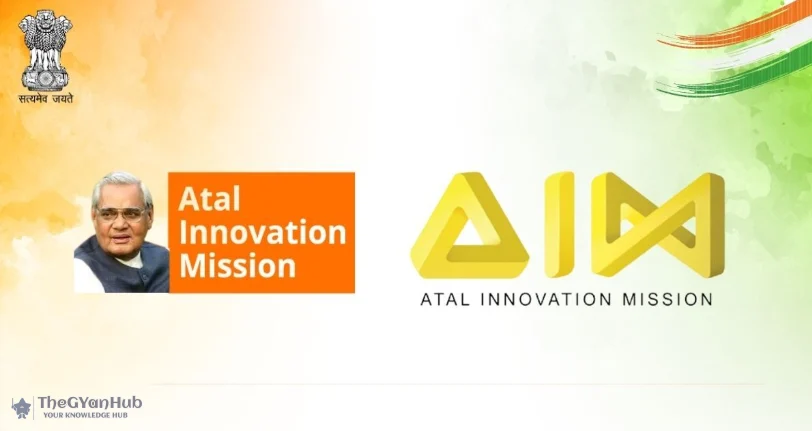
The Indian government has recognized the importance of deep tech and has initiated several programs to support research and development in this area. Initiatives like the Atal Innovation Mission and Startup India aim to foster a culture of innovation and entrepreneurship. However, more needs to be done to create an ecosystem that supports deep tech startups and research institutions.
As Nithin Kamath highlights, the future of India's tech industry depends on its ability to diversify beyond IT services. Investing in deep tech is not just an option; it is a necessity for sustainable growth and global competitiveness. By embracing this shift, India can secure its place as a leader in the next wave of technological innovation.

May 5, 2026
Samsung may have inadvertently revealed details about the upcoming Galaxy Z Fold 8 and a new Wide Fold variant. This leak has generated significant buzz ahead of the official launch.
April 29, 2026
Rumors are swirling about the potential release of the Apple iPhone Ultra and MacBook Ultra. Here's what we can expect from these upcoming devices.

March 20, 2026
The iQOO Z11 is set to launch on March 26, featuring an impressive 9,020mAh battery and a stunning 165Hz display, promising to redefine smartphone performance.

I’m a passionate writer who loves exploring ideas, sharing stories, and connecting with readers through meaningful content.I’m dedicated to sharing insights and stories that make readers think, feel, and discover something new.