Indian Engineers Lead the Charge in Designing 2nm Chips: IT Minister's Vision for High-End Chip Manufacturing
3 min readEducation
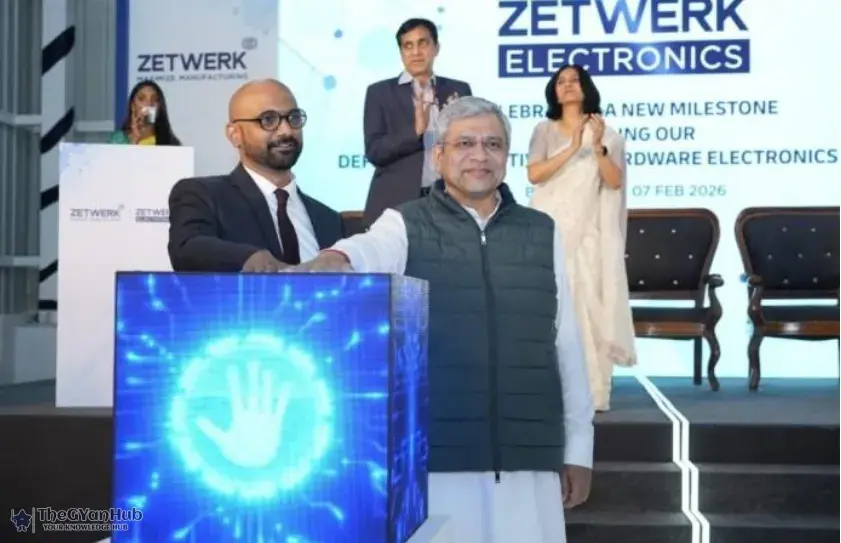
In a groundbreaking announcement, the Indian IT Minister has revealed that Indian engineers are now actively involved in designing cutting-edge 2nm chips. This development signifies a pivotal moment for India’s technology sector, as the country strives to establish itself as a global leader in semiconductor manufacturing.
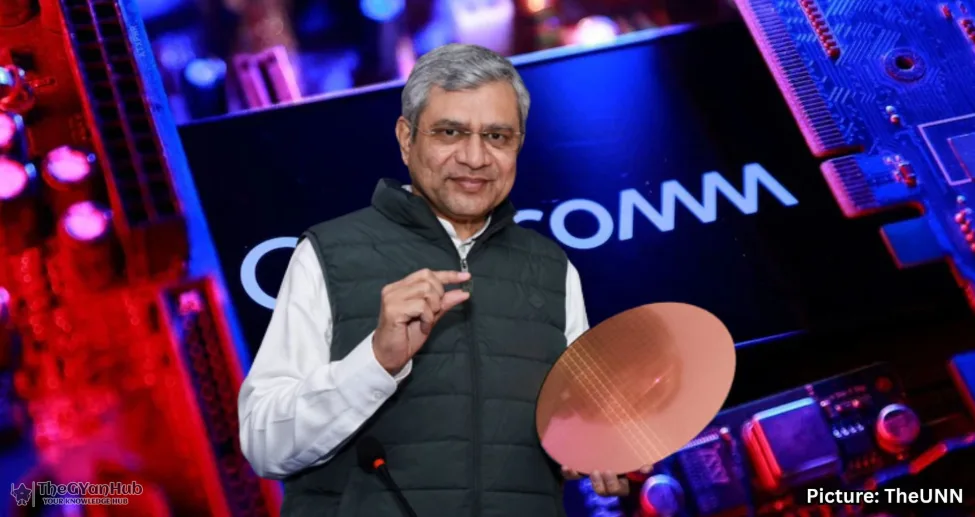
2nm chips represent the latest advancement in semiconductor technology, offering enhanced performance and energy efficiency compared to their predecessors. These chips are expected to power a new generation of devices, from smartphones to advanced computing systems. The ability to design such advanced chips domestically is a testament to India's growing expertise in the field.
Chips are measured in nanometers (nm), which indicates the size of the transistors on the chip. A smaller number means more transistors can fit on a chip, leading to better performance and lower power consumption. The transition from 5nm to 2nm technology is a significant leap, promising to revolutionize various sectors, including:
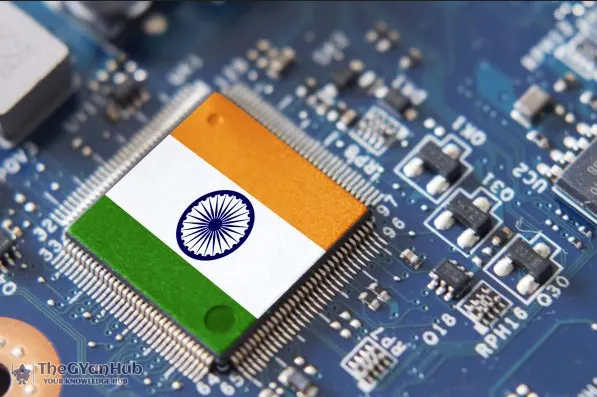
Consumer Electronics
Automotive Technology
Artificial Intelligence
Cloud Computing
Historically, India has been a hub for software development and IT services, but the recent push towards semiconductor manufacturing marks a new chapter. The government is investing heavily in infrastructure and education to support this initiative. The IT Minister emphasized that the goal is not just to design chips but to manufacture them locally, reducing dependence on foreign technology.
The Indian government has launched several initiatives to promote semiconductor manufacturing, including:
Financial incentives for companies investing in chip production
Partnerships with global tech firms
Establishment of semiconductor research and development centers
While the prospects are promising, several challenges remain. The semiconductor industry is capital-intensive and requires a skilled workforce. The IT Minister acknowledged these challenges but expressed confidence in India's ability to overcome them.
To support the semiconductor industry, India needs to focus on education and training. This includes:
Enhancing engineering curricula to include semiconductor design
Encouraging research in nanotechnology
Collaborating with international institutions for knowledge exchange
The announcement of Indian engineers designing 2nm chips is a significant milestone for the country’s technology landscape. As India moves towards becoming a key player in the global semiconductor market, the focus on high-end chip manufacturing will not only boost the economy but also position India as a leader in innovation.


March 19, 2026
Gorilla Technology has partnered with Yotta to deploy over 5,000 GPUs in India, marking a significant step in enhancing AI infrastructure in the region. This collaboration aims to boost technological advancements and support various industries.

March 16, 2026
Aman Gottumukkala, an Indian-origin tech expert, is set to join Elon Musk's xAI team, aiming to challenge Claude in the AI landscape. This collaboration highlights the growing influence of diverse talent in the tech industry.

March 15, 2026
Dr. Jitendra Singh announces a transformative phase in India's development driven by technology, emphasizing innovation and digital infrastructure as key components for future growth.

I’m a passionate writer who loves exploring ideas, sharing stories, and connecting with readers through meaningful content.I’m dedicated to sharing insights and stories that make readers think, feel, and discover something new.