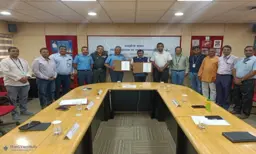
Strengthening Ties: US–India Track II Dialogue on Emerging Technologies and Supply Chain Resilience
3 min readEducation
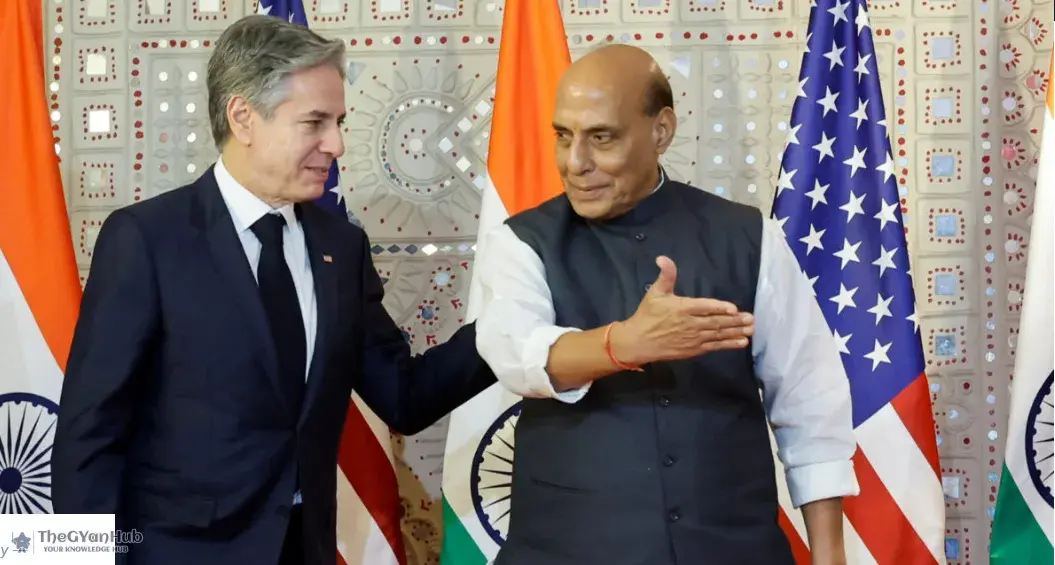
The US–India Track II Dialogue has emerged as a pivotal platform for fostering collaboration between the two nations, particularly in the realms of emerging technologies and supply chain resilience. As global dynamics shift, the need for robust partnerships has never been more critical. This dialogue serves as a conduit for dialogue among policymakers, industry leaders, and academics, aiming to address pressing challenges and explore opportunities for mutual growth.
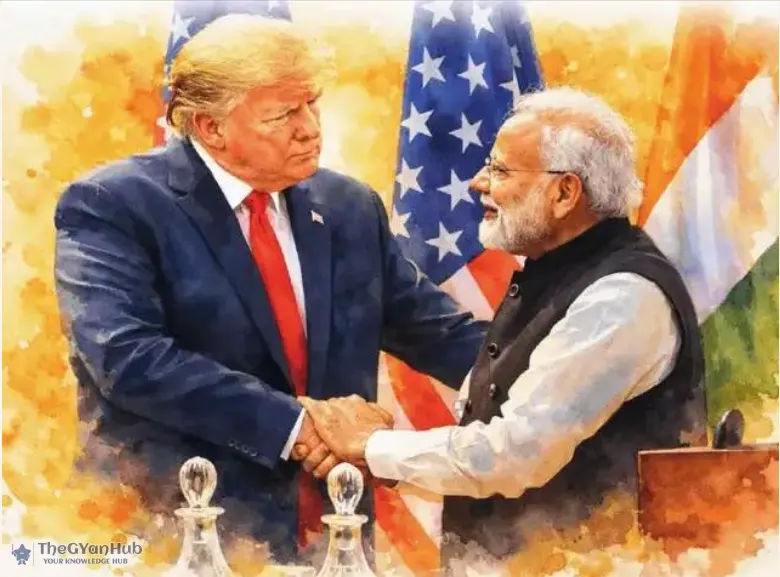
Track II diplomacy refers to informal and unofficial interactions between non-governmental actors to resolve conflicts and foster cooperation. Unlike official diplomatic channels, Track II initiatives allow for more flexible discussions, enabling participants to explore innovative solutions without the constraints of formal negotiations. This approach has proven effective in various contexts, including the US–India relationship.
Enhancing collaboration in emerging technologies.
Strengthening supply chain resilience.
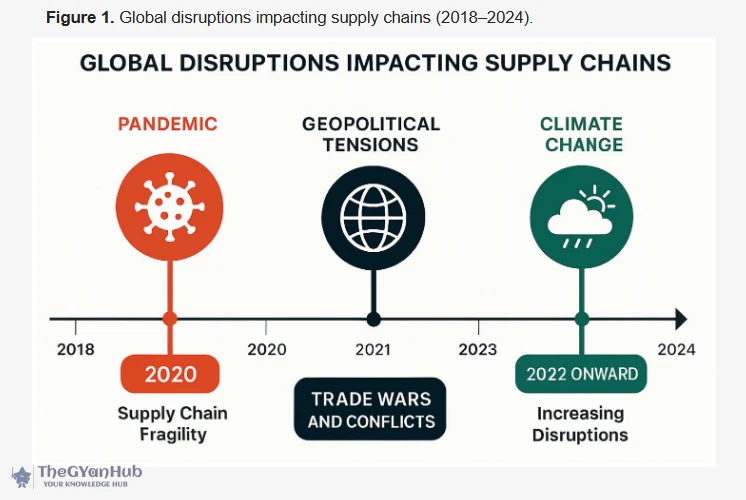
Addressing challenges posed by global disruptions.
Fostering innovation through joint ventures.
Emerging technologies, such as artificial intelligence (AI), blockchain, and quantum computing, are reshaping industries worldwide. The US and India, both leaders in technology innovation, recognize the importance of collaborating in these areas to drive economic growth and enhance national security. By sharing knowledge and resources, both nations can accelerate the development and deployment of these technologies.
Artificial intelligence is at the forefront of technological advancements, with applications ranging from healthcare to finance. The US–India dialogue emphasizes the need for ethical AI development and deployment. By collaborating on AI research and regulations, both countries can ensure that AI technologies are used responsibly and for the benefit of society.
Blockchain technology offers transparency and security in various sectors, including supply chain management and finance. The dialogue aims to explore how both nations can leverage blockchain to enhance efficiency and trust in their respective systems. Collaborative projects in this domain could lead to innovative solutions that benefit both economies.
The COVID-19 pandemic exposed vulnerabilities in global supply chains, highlighting the need for resilience and adaptability. The US and India are committed to strengthening their supply chains through strategic partnerships and diversification. By working together, both countries can create more robust supply chains that can withstand future disruptions.
Diversifying suppliers and production locations.
Investing in technology to enhance supply chain visibility.
Building strategic reserves of critical materials.
The US–India Track II Dialogue represents a significant step towards deepening the partnership between these two nations. By focusing on emerging technologies and supply chain resilience, both countries can navigate the complexities of a rapidly changing global landscape. As they continue to collaborate, the potential for innovation and economic growth is immense.
March 19, 2026
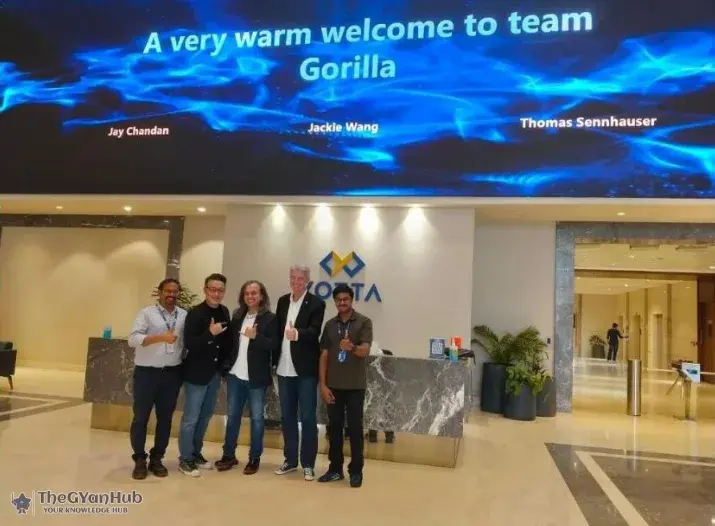
Gorilla Technology has partnered with Yotta to deploy over 5,000 GPUs in India, marking a significant step in enhancing AI infrastructure in the region. This collaboration aims to boost technological advancements and support various industries.

March 16, 2026
Aman Gottumukkala, an Indian-origin tech expert, is set to join Elon Musk's xAI team, aiming to challenge Claude in the AI landscape. This collaboration highlights the growing influence of diverse talent in the tech industry.
March 15, 2026
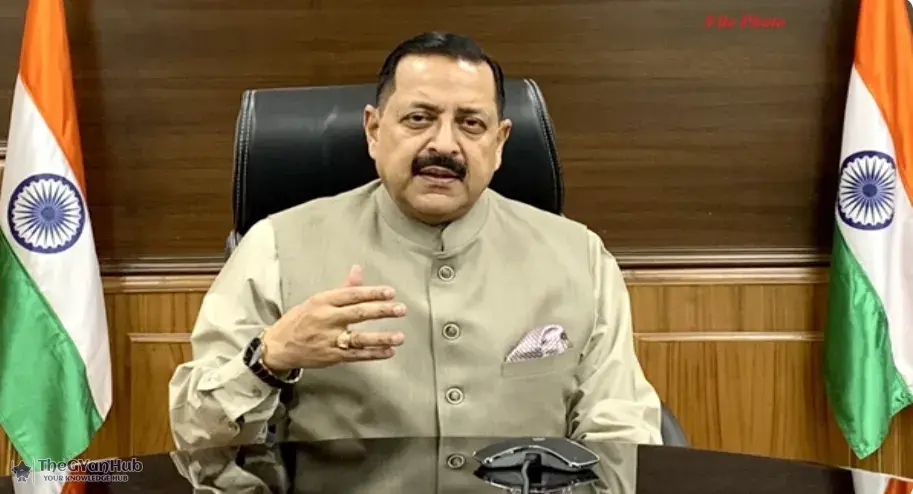
Dr. Jitendra Singh announces a transformative phase in India's development driven by technology, emphasizing innovation and digital infrastructure as key components for future growth.

I’m a passionate writer who loves exploring ideas, sharing stories, and connecting with readers through meaningful content.I’m dedicated to sharing insights and stories that make readers think, feel, and discover something new.