Understanding Hard Oil vs Light Oil: The Crude Oil Dilemma of Venezuela and the Gulf
3 min readScience
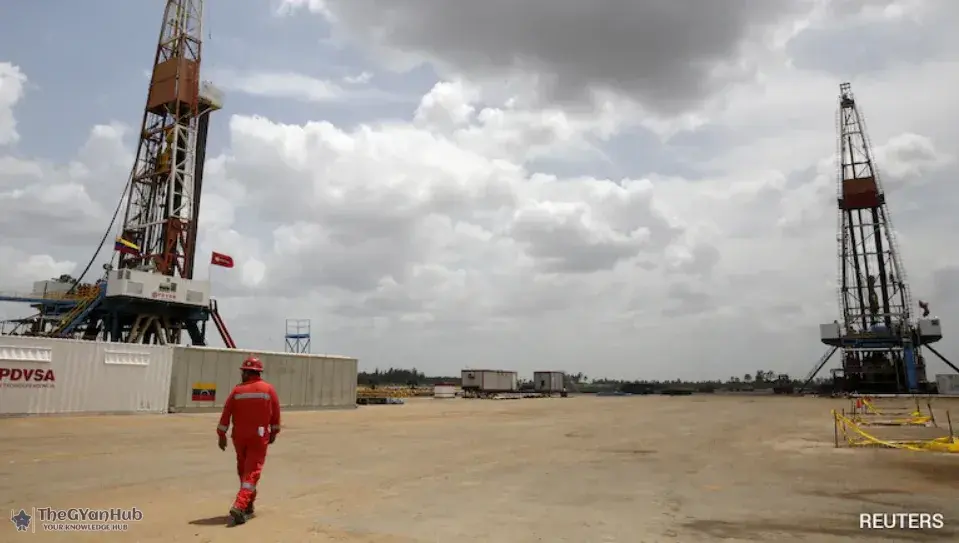
Crude oil is a vital resource that powers economies and fuels industries worldwide. However, not all crude oil is created equal. In this article, we will delve into the differences between hard oil and light oil, particularly focusing on Venezuela's heavy crude and the lighter varieties found in the Gulf region. Understanding these differences is crucial for grasping their implications on refining processes and market dynamics.
Hard oil, often referred to as heavy crude, is characterized by its high viscosity and density. This type of oil contains a higher proportion of larger hydrocarbon molecules, making it more challenging to refine. Venezuela is known for its vast reserves of heavy crude, which, while abundant, presents significant challenges for extraction and processing.
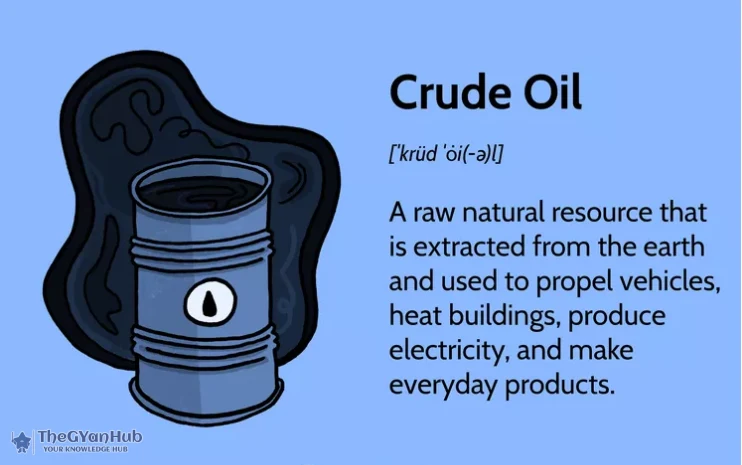
High Density: Hard oil has a higher density compared to light oil, which affects its flow and extraction methods.
High Sulfur Content: This type of crude often contains more sulfur, leading to additional refining costs to remove impurities.
Lower API Gravity: The American Petroleum Institute (API) gravity of hard oil is lower, indicating it is heavier and less desirable for certain applications.
In contrast, light oil is more fluid and less dense, making it easier to extract and refine. Light crude oil contains a higher percentage of smaller hydrocarbon molecules, which translates to a higher API gravity. The Gulf region, particularly countries like Saudi Arabia and the United Arab Emirates, is known for its light crude oil, which is highly sought after in global markets.
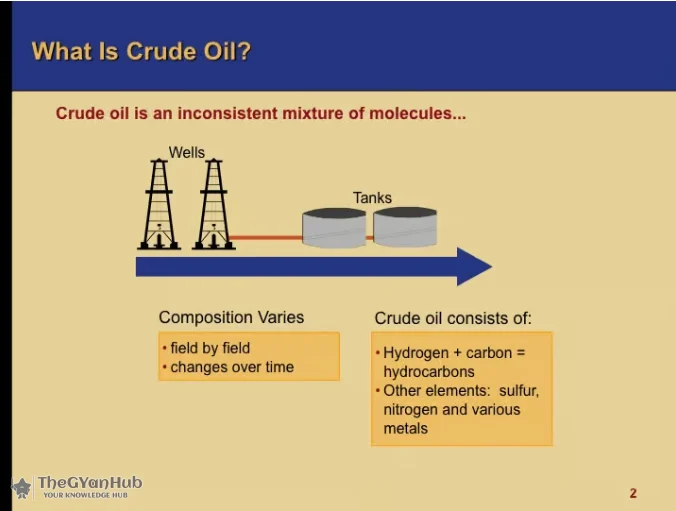
Low Density: Light oil flows more easily, making it simpler to transport and process.
Lower Sulfur Content: This type of crude typically has lower sulfur levels, resulting in fewer refining costs.
Higher API Gravity: Light oil has a higher API gravity, making it more desirable for many refineries.
The differences in the physical and chemical properties of hard and light oil significantly impact the refining process. Refineries equipped to handle heavy crude must employ advanced technologies to break down the larger hydrocarbon molecules. This process often involves more complex and costly methods, such as hydrocracking and coking.
On the other hand, light oil can be processed using simpler methods, resulting in lower operational costs and higher profit margins for refineries. This disparity in refining capabilities is a key factor in determining the market value of these crude types.
The market value of hard oil versus light oil is influenced by several factors, including production costs, refining capabilities, and global demand. Light oil typically commands a higher price due to its ease of refining and the quality of the products derived from it.
In contrast, heavy crude from Venezuela often trades at a discount, reflecting the additional costs associated with its extraction and refining. This price differential can have significant implications for countries that rely heavily on oil exports, particularly Venezuela, which faces economic challenges exacerbated by its heavy crude reserves.
Understanding the differences between hard oil and light oil is essential for grasping the complexities of the global oil market. As Venezuela continues to navigate its economic challenges, the characteristics of its heavy crude will play a pivotal role in shaping its future. Meanwhile, the Gulf's light oil remains a cornerstone of the global energy landscape, highlighting the ongoing competition between these two types of crude.

February 25, 2026
India is transforming its semiconductor design landscape from a cost-effective hub to a powerhouse of capabilities, driving innovation and attracting global investments.

February 20, 2026
As the global AI infrastructure race intensifies, India is making significant strides to establish its presence. However, challenges remain in closing the existing gaps in technology and resources.

February 12, 2026
India is urged to make significant strides in technology to strengthen its diplomatic position on the global stage. This article explores the implications and strategies for achieving this goal.

I’m a passionate writer who loves exploring ideas, sharing stories, and connecting with readers through meaningful content.I’m dedicated to sharing insights and stories that make readers think, feel, and discover something new.