India's Semiconductor Design: From Cost Hub to Capability Powerhouse
3 min readScience
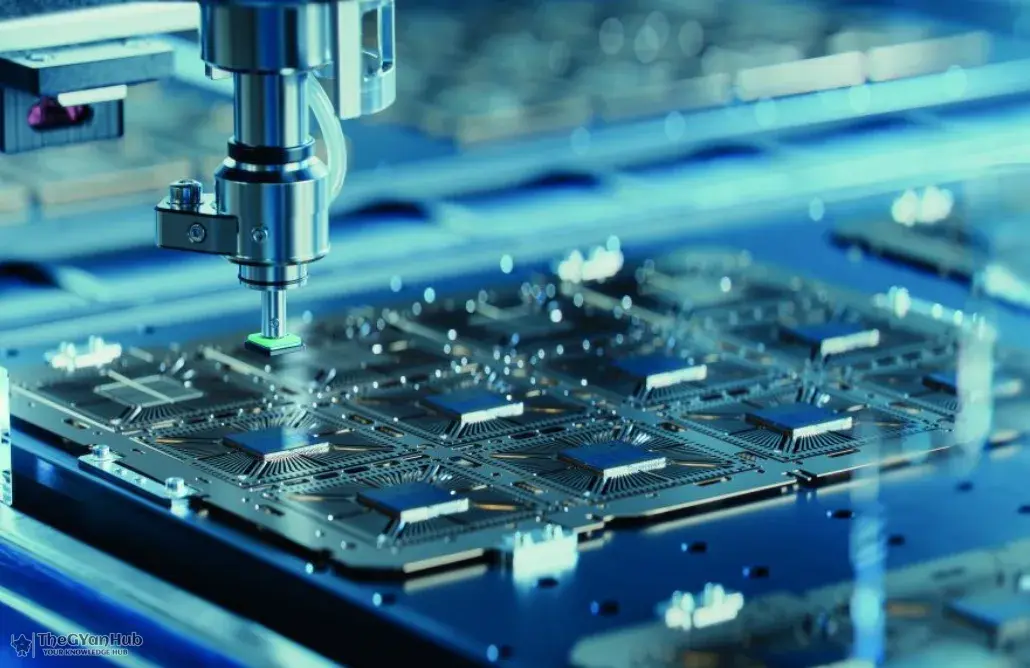
India's semiconductor industry is on the brink of a significant transformation. Traditionally viewed as a cost hub for semiconductor design, the country is now positioning itself as a capability powerhouse. This shift is driven by a combination of government initiatives, increased investment, and a growing pool of skilled professionals.

As of 2023, India has made substantial progress in semiconductor design. The country is home to numerous design firms that cater to both domestic and international markets. Major global players are increasingly looking to India for design solutions, which has led to a surge in demand for local talent.
The Indian government has launched several initiatives aimed at boosting the semiconductor sector. These include:
Production-Linked Incentive (PLI) Scheme: This scheme offers financial incentives to companies that manufacture semiconductors in India.
National Policy on Electronics: Aimed at promoting the electronics manufacturing ecosystem, this policy encourages investment in semiconductor design and manufacturing.
Skill Development Programs: The government is investing in training programs to enhance the skills of the workforce in semiconductor design.

Investment in India's semiconductor sector has seen a significant uptick. Both domestic and foreign investors are pouring capital into semiconductor design firms, recognizing the potential for growth in this sector. Notable investments include:
Partnerships with global tech giants to establish design centers in India.
Funding for startups focused on innovative semiconductor solutions.
Collaborations with academic institutions to foster research and development.
India's semiconductor design capabilities are being enhanced through strategic partnerships with global companies. These collaborations not only bring in investment but also facilitate knowledge transfer, enabling Indian firms to adopt best practices from established players in the industry.
Despite the positive developments, India faces several challenges in its quest to become a semiconductor powerhouse. Key challenges include:
Infrastructure Development: The need for robust infrastructure to support semiconductor manufacturing and design is critical.
Supply Chain Issues: Global supply chain disruptions have highlighted the need for a more resilient supply chain within the semiconductor sector.
Competition: India is competing with established semiconductor hubs like Taiwan and South Korea, which have a head start in technology and investment.
The future of India's semiconductor design industry looks promising. With continued government support, increased investment, and a focus on innovation, India is well on its way to becoming a global leader in semiconductor design. The emphasis on developing a skilled workforce and fostering research and development will further solidify its position in the global market.
India's transition from a cost hub to a capability powerhouse in semiconductor design is a testament to its potential in the global technology landscape. As the country continues to invest in its semiconductor ecosystem, it is poised to play a crucial role in shaping the future of technology.
March 21, 2026
India is leveraging advanced space technology to enhance military communication and improve soldier healthcare. This article explores the innovative strategies being implemented.

March 10, 2026
Andhra Pradesh (AP) is setting a benchmark in pollution management through innovative technology solutions. This article explores AP's initiatives and their impact on environmental sustainability.

March 8, 2026
Chennai is set to witness significant developments with a new bridge plan, advancements in IIT's space technology, and a health initiative from the High Court. This article explores these key updates shaping the city's future.

I’m a passionate writer who loves exploring ideas, sharing stories, and connecting with readers through meaningful content.I’m dedicated to sharing insights and stories that make readers think, feel, and discover something new.