Startup Day 2026: India’s Startup Ecosystem Enters a New Era of Discipline and Innovation
3 min readFinance
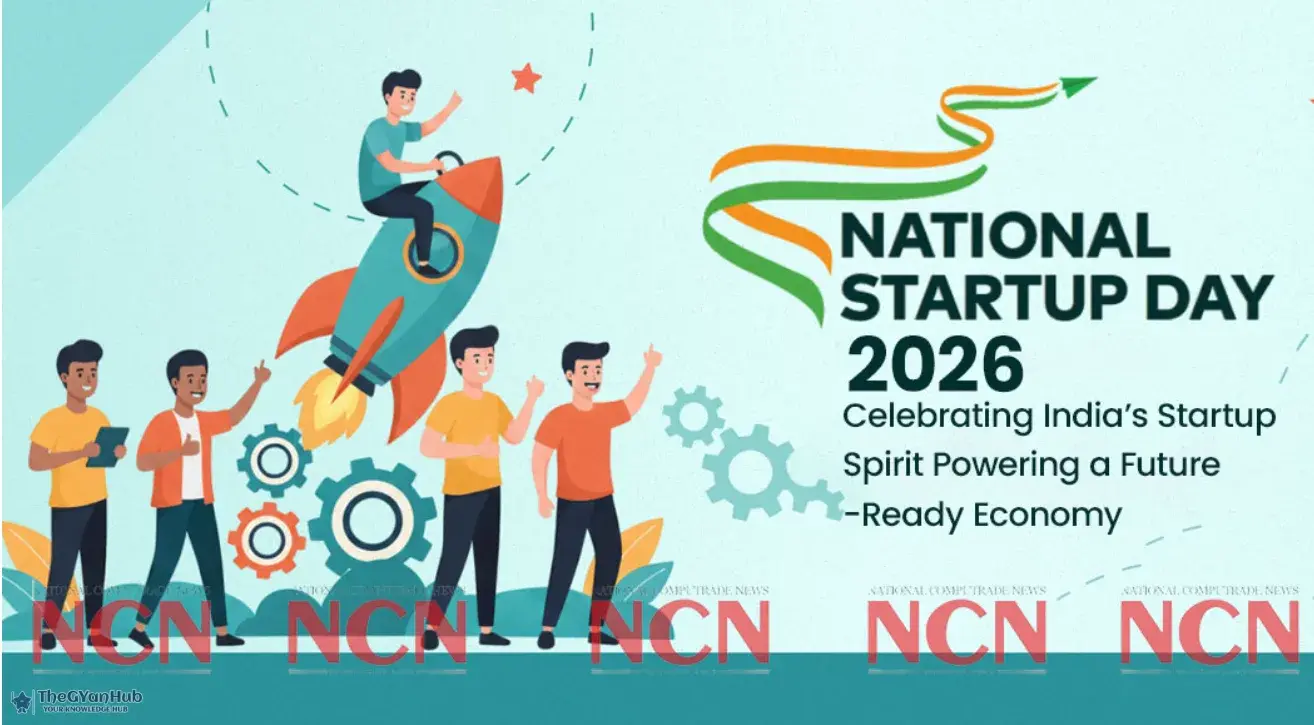
As we approach Startup Day 2026, India’s vibrant startup ecosystem is poised to enter a new phase characterized by discipline and innovation. With rapid technological changes reshaping industries, entrepreneurs are adapting to a landscape that demands not only creativity but also strategic planning and execution. This article delves into the key trends and developments that are defining the future of startups in India.
In recent years, the Indian startup ecosystem has witnessed exponential growth, with thousands of new ventures emerging across various sectors. However, the initial phase of unbridled enthusiasm is giving way to a more structured approach. Entrepreneurs are now focusing on sustainable growth, operational efficiency, and long-term viability.
Discipline in startups is becoming essential for several reasons:
Investor Expectations: As investors become more discerning, they are looking for startups that demonstrate a clear path to profitability and sustainable growth.
Market Competition: With an increasing number of players in the market, startups must differentiate themselves through disciplined operations and innovative solutions.
Technological Advancements: Rapid changes in technology require startups to be agile and adaptable, necessitating a structured approach to innovation.
The technological landscape is evolving at an unprecedented pace, influencing how startups operate and compete. Key areas of technological change include:
Artificial Intelligence: AI is transforming industries by automating processes and enabling data-driven decision-making. Startups leveraging AI are gaining a competitive edge.
Blockchain Technology: Blockchain is revolutionizing sectors like finance and supply chain management, providing transparency and security.
Remote Work Technologies: The rise of remote work has led to the development of tools that enhance collaboration and productivity, allowing startups to tap into global talent.

While the future looks promising, startups in India face several challenges as they transition into this disciplined phase. These include:
Regulatory Hurdles: Navigating the complex regulatory landscape can be daunting for startups, especially in sectors like fintech and healthcare.
Access to Funding: Although venture capital is available, securing funding can be competitive, requiring startups to present robust business models.
Talent Acquisition: Attracting and retaining skilled talent remains a challenge, particularly in specialized fields like AI and data science.
Despite these challenges, numerous startups are thriving by embracing discipline and innovation. Companies like Zomato and Byju's have demonstrated how a structured approach can lead to remarkable success. These companies have not only scaled rapidly but have also set benchmarks for operational excellence.
Moreover, the emergence of incubators and accelerators is providing startups with the necessary support to navigate this disciplined phase. Programs that offer mentorship, funding, and resources are becoming increasingly popular.
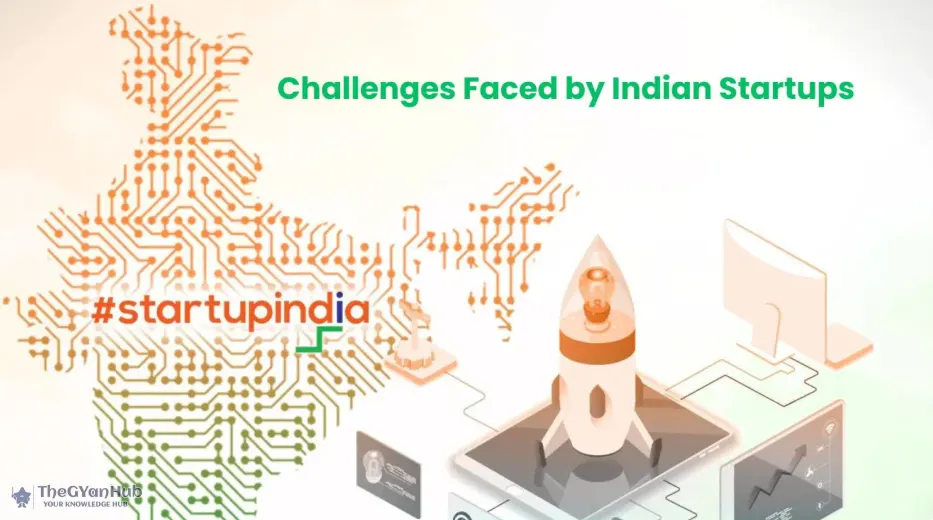
The Indian government is playing a pivotal role in fostering a conducive environment for startups. Initiatives like Startup India aim to simplify regulations and provide financial support to budding entrepreneurs. These efforts are crucial in helping startups overcome initial hurdles and focus on growth.
As we celebrate Startup Day 2026, it is evident that India’s startup ecosystem is entering a disciplined phase that promises sustainable growth and innovation. Entrepreneurs who adapt to these changes will not only thrive but also contribute significantly to the economy. The future is bright for those who embrace discipline and leverage technological advancements effectively.

January 8, 2026
EY India has called for the upcoming budget to extend the Production Linked Incentive (PLI) scheme to new technology sectors, emphasizing the need for tax certainty to boost investment and innovation.
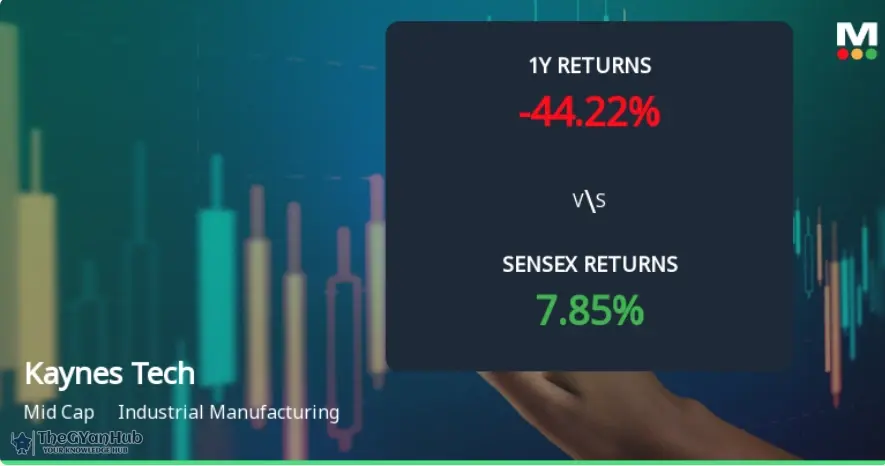
January 8, 2026
Kaynes Technology India Ltd has witnessed significant call option activity, indicating a shift in market sentiment despite a bearish Mojo grade. Investors are closely monitoring this trend as it unfolds.

September 2, 2025
2025 में भारतीय रुपया अमेरिकी डॉलर के मुकाबले लगातार गिरावट पर है, जिससे भारतीय अर्थव्यवस्था पर दबाव बढ़ गया है। मुद्रा के कमजोर होने के कारण महंगाई बढ़ी, आयात महंगा हुआ और निवेशकों में असुरक्षा फैल गई। सरकार और रिजर्व बैंक ने स्थिति को संभालने के लिए उपाय शुरू किए हैं। इस आर्टिकल में रुपया गिरावट के कारण, उसके सामाजिक-आर्थिक प्रभाव और संभावित समाधान पर विस्तार से चर्चा की गई है।

I’m a passionate writer who loves exploring ideas, sharing stories, and connecting with readers through meaningful content.I’m dedicated to sharing insights and stories that make readers think, feel, and discover something new.