India's Transition to a Bio-Driven Economy: Insights from Dr. Jitendra Singh
3 min readEducation
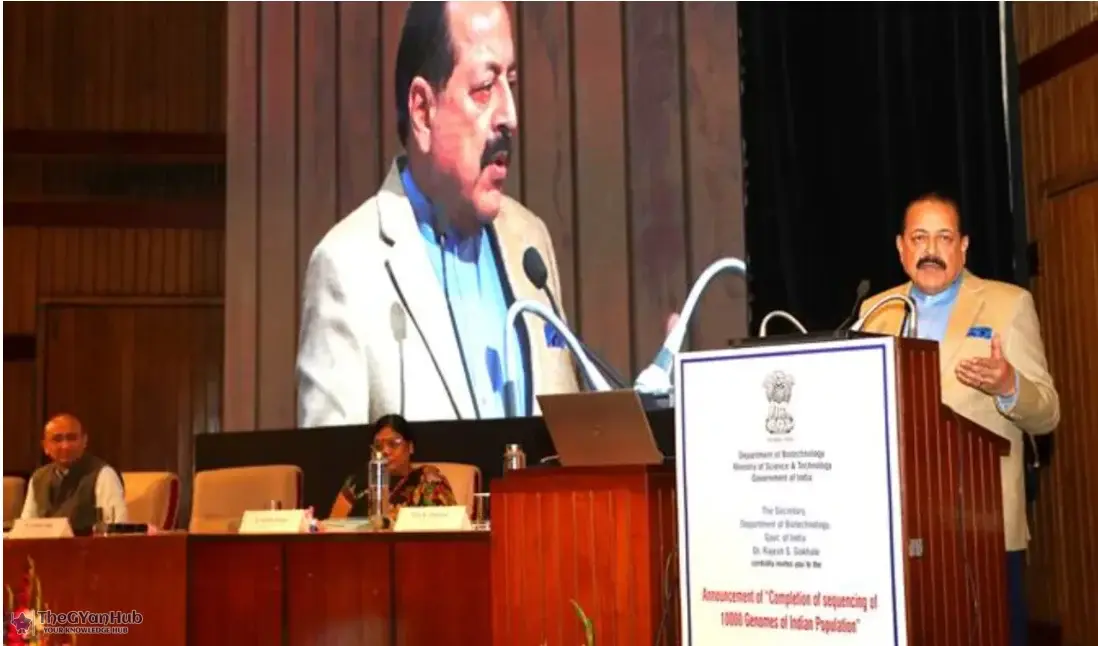
In recent discussions, Dr. Jitendra Singh, the Union Minister of State for Science and Technology, emphasized India's strategic move towards a bio-driven economy. This initiative aims to harness biological resources for sustainable development, which is crucial in today’s context of climate change and environmental degradation. The government is committed to fostering innovation and sustainability in various sectors, including agriculture, healthcare, and energy.
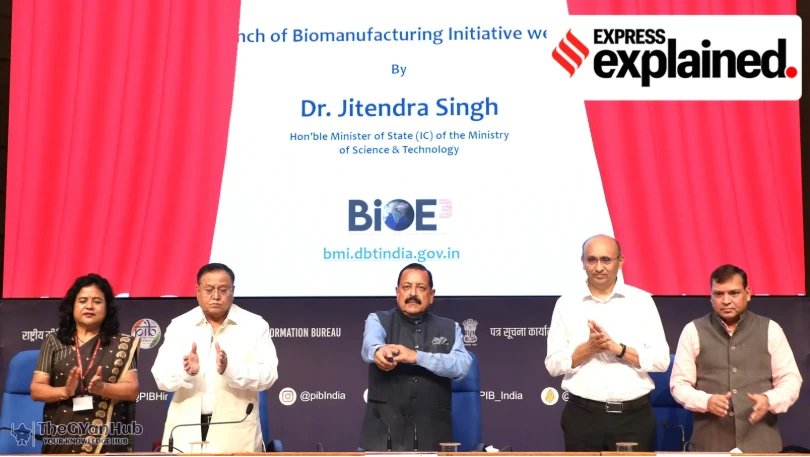
A bio-driven economy leverages biological resources to create products, services, and processes that are environmentally friendly and sustainable. Dr. Singh pointed out that this approach not only addresses the pressing challenges of climate change but also promotes economic growth and job creation. By investing in biotechnology and bio-resources, India aims to reduce its dependence on fossil fuels and enhance food security.
Agriculture: Implementing bio-fertilizers and bio-pesticides to increase crop yield while minimizing chemical use.
Healthcare: Developing biopharmaceuticals and vaccines that are more effective and accessible.
Energy: Exploring biofuels as a sustainable alternative to traditional energy sources.
The Indian government has launched several initiatives to support the transition to a bio-driven economy. These include funding for research and development in biotechnology, incentives for startups in the bio-sector, and partnerships with academic institutions. Dr. Singh mentioned that the government is also focusing on creating a robust regulatory framework to ensure safety and efficacy in bioproducts.
Collaboration between the public and private sectors is essential for the success of a bio-driven economy. Dr. Singh highlighted the importance of engaging with private companies and research institutions to foster innovation. By creating an ecosystem that encourages collaboration, India can accelerate the development and commercialization of biotechnological advancements.
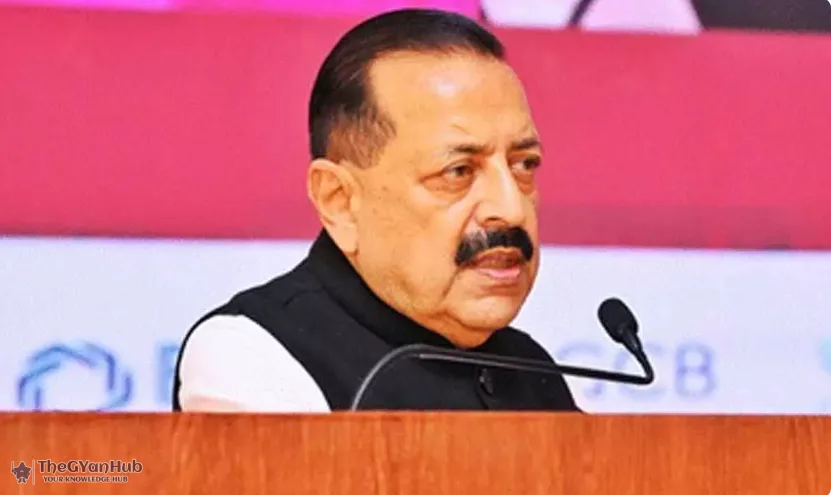
Despite the promising outlook, transitioning to a bio-driven economy comes with its challenges. Issues such as public awareness, regulatory hurdles, and the need for skilled workforce development must be addressed. Dr. Singh urged stakeholders to work together to overcome these obstacles and ensure a smooth transition.
India's move towards a bio-driven economy is a significant step in promoting sustainable development. With the guidance of leaders like Dr. Jitendra Singh, the country is poised to become a global leader in biotechnology and sustainable practices. As this transition unfolds, it will be crucial for all sectors of society to engage and contribute to this vital initiative.
March 19, 2026
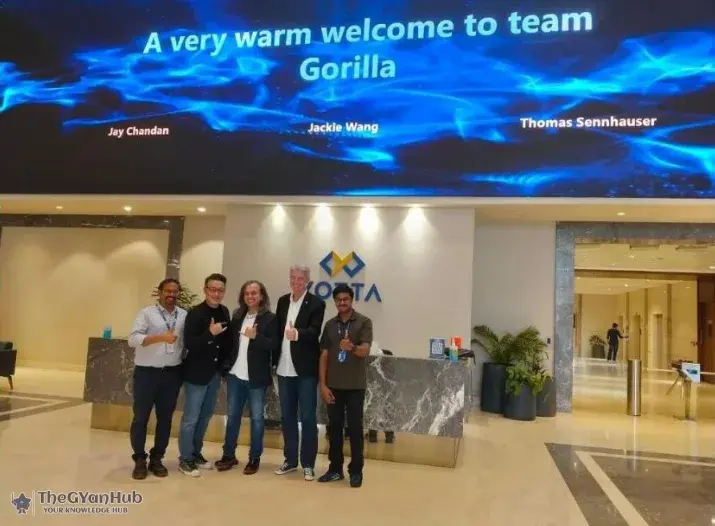
Gorilla Technology has partnered with Yotta to deploy over 5,000 GPUs in India, marking a significant step in enhancing AI infrastructure in the region. This collaboration aims to boost technological advancements and support various industries.

March 16, 2026
Aman Gottumukkala, an Indian-origin tech expert, is set to join Elon Musk's xAI team, aiming to challenge Claude in the AI landscape. This collaboration highlights the growing influence of diverse talent in the tech industry.
March 15, 2026
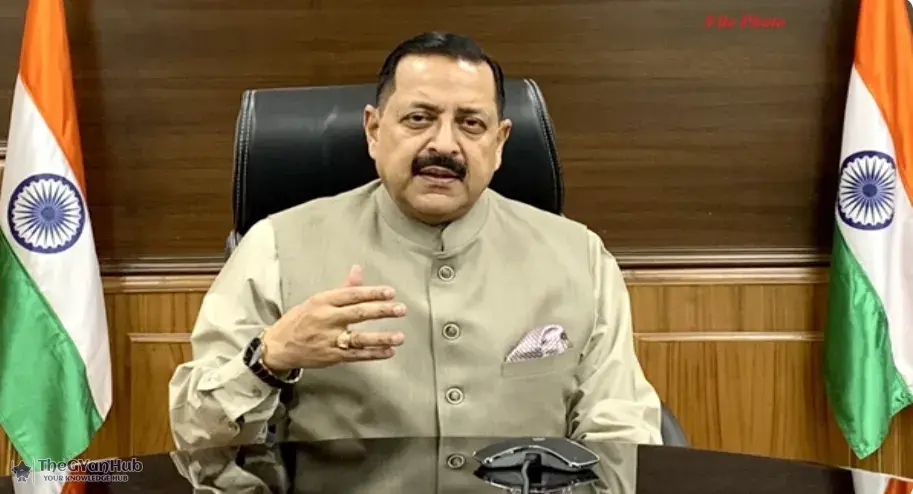
Dr. Jitendra Singh announces a transformative phase in India's development driven by technology, emphasizing innovation and digital infrastructure as key components for future growth.

I’m a passionate writer who loves exploring ideas, sharing stories, and connecting with readers through meaningful content.I’m dedicated to sharing insights and stories that make readers think, feel, and discover something new.