Sam Altman Identifies India as a Future Full-Stack AI Leader Ahead of AI Summit
3 min readArtificial Intelligence

In a recent statement, Sam Altman, the CEO of OpenAI, expressed his belief that India is poised to become a full-stack leader in artificial intelligence. This declaration comes just ahead of the highly anticipated India AI Summit, where industry leaders and innovators will gather to discuss the future of AI technology.

Altman’s comments reflect a growing recognition of India’s capabilities in the AI sector. With a robust tech ecosystem, a large pool of skilled professionals, and increasing investment in AI research and development, India is positioning itself as a significant player on the global stage.
India has made substantial strides in the field of artificial intelligence over the past few years. The government has launched various initiatives to promote AI research and development, including funding for startups and partnerships with educational institutions. These efforts are aimed at harnessing AI to solve pressing challenges in sectors such as healthcare, agriculture, and education.
Skilled Workforce: India boasts a large number of engineers and data scientists who are well-versed in AI technologies.
Startup Culture: The vibrant startup ecosystem in India fosters innovation and experimentation in AI applications.
Government Support: Initiatives like the National AI Strategy aim to position India as a global AI hub.
Full-stack AI refers to the ability to develop and deploy AI systems that can handle all aspects of the AI lifecycle, from data collection and processing to model training and deployment. This comprehensive approach allows for more efficient and effective AI solutions that can be tailored to specific needs.
For India to achieve full-stack AI capabilities, it must focus on several key areas, including:
Enhancing data infrastructure to support large-scale AI projects.
Investing in research and development to innovate new AI technologies.
Fostering collaboration between academia, industry, and government.
If India successfully establishes itself as a full-stack AI leader, it could have significant implications for the global AI landscape. Increased collaboration between Indian companies and international tech firms could lead to groundbreaking advancements in AI technology.
Moreover, India’s leadership in AI could help address global challenges such as climate change, healthcare accessibility, and economic inequality. By leveraging AI, India can contribute to solutions that benefit not only its citizens but also the global community.
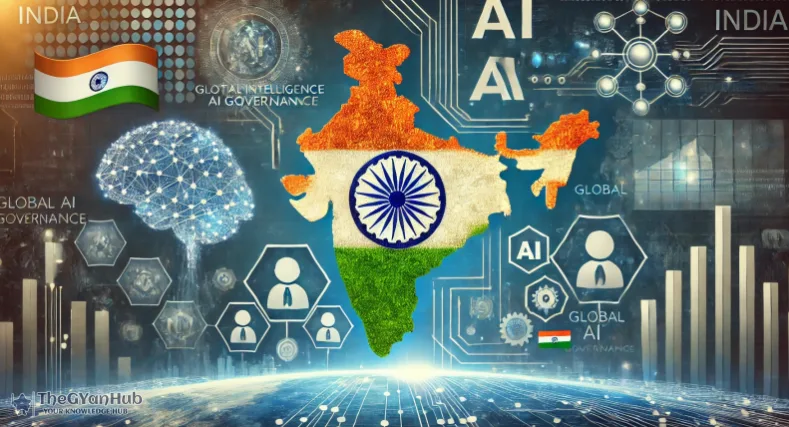
As the India AI Summit approaches, the spotlight is on how the country can leverage its strengths to become a full-stack AI leader. With visionaries like Sam Altman recognizing its potential, India stands at the brink of a technological revolution that could redefine its role in the global economy.
May 11, 2026
On National Technology Day, a striking trend emerges as India purchases an AI course every three minutes. This article explores whether this investment in AI education is truly yielding benefits.

April 28, 2026
The viral ChatGPT palm reader meme has ignited concerns about privacy, with many fearing that the CIA may have access to their fingerprints. This article explores the origins of the meme and the underlying anxieties it reflects.

April 27, 2026
OpenAI is venturing into the smartphone market with an innovative AI device that boasts agentic capabilities, posing a significant challenge to industry giants like Apple and Samsung. This article explores the potential impact of this groundbreaking technology.

I’m a passionate writer who loves exploring ideas, sharing stories, and connecting with readers through meaningful content.I’m dedicated to sharing insights and stories that make readers think, feel, and discover something new.