OpenAI's Revolutionary AI Smartphone: A Game Changer for Apple and Samsung
3 min readArtificial Intelligence
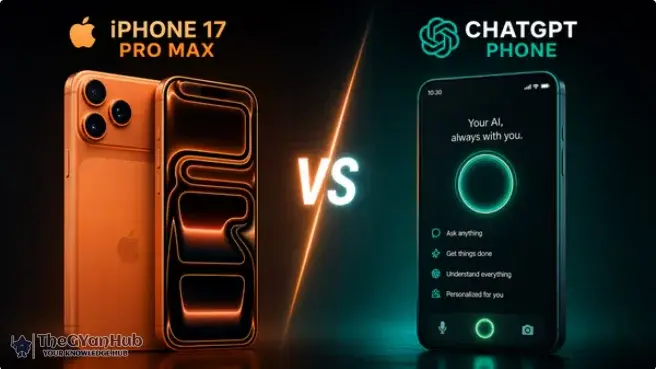
In a surprising turn of events, OpenAI, the renowned artificial intelligence research organization, is stepping into the smartphone arena. With the announcement of their upcoming AI smartphone featuring agentic capabilities, the tech world is abuzz with speculation about how this device could disrupt the market dominated by giants like Apple and Samsung.
Agentic capabilities refer to the ability of an AI system to act autonomously, make decisions, and interact with users in a more human-like manner. This technology allows the device to learn from user behavior, adapt to preferences, and perform tasks without constant input. Imagine a smartphone that not only understands your commands but anticipates your needs!
OpenAI aims to integrate advanced machine learning algorithms and natural language processing into their smartphone. This will enable the device to engage in meaningful conversations, manage schedules, and even control smart home devices seamlessly. Users can expect a personalized experience that evolves over time.
As OpenAI prepares to launch its AI smartphone, the competition is heating up. Apple and Samsung have long been the leaders in the smartphone market, known for their innovative features and user-friendly interfaces. However, the introduction of an AI-driven device could shift consumer preferences significantly.
Both Apple and Samsung are likely to respond to this new challenge by enhancing their own AI capabilities. Apple has already integrated AI features into its devices, such as Siri and predictive text. Samsung, on the other hand, has been focusing on Bixby and smart home integration. The pressure is on these companies to innovate further to retain their market share.
Enhanced User Experience: With agentic capabilities, users can enjoy a more intuitive and personalized interaction with their device.
Increased Efficiency: The smartphone can automate routine tasks, saving users time and effort.
Continuous Learning: The AI will adapt to user preferences, improving its functionality over time.
Despite the exciting prospects, OpenAI faces several challenges in bringing this smartphone to market. Concerns about privacy, data security, and the ethical implications of AI decision-making are paramount. OpenAI must address these issues transparently to gain consumer trust.
As AI systems become more integrated into daily life, the potential for misuse of personal data increases. OpenAI will need to implement robust security measures to protect user information and ensure compliance with regulations.
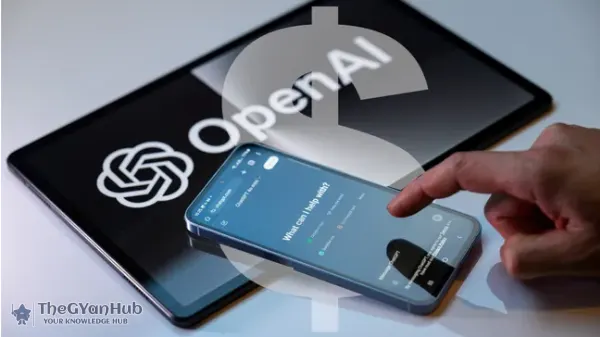
OpenAI's entry into the smartphone market with an AI device featuring agentic capabilities marks a significant milestone in technology. As they prepare to challenge established players like Apple and Samsung, consumers can look forward to a new era of smartphones that are not just tools, but intelligent companions. The future of mobile technology is here, and it promises to be both exciting and transformative.
May 11, 2026
On National Technology Day, a striking trend emerges as India purchases an AI course every three minutes. This article explores whether this investment in AI education is truly yielding benefits.

April 28, 2026
The viral ChatGPT palm reader meme has ignited concerns about privacy, with many fearing that the CIA may have access to their fingerprints. This article explores the origins of the meme and the underlying anxieties it reflects.

April 26, 2026
Nasscom Chair emphasizes that AI will enhance India's tech industry and continue to create job opportunities, dispelling fears of job losses. The tech sector is poised for growth with AI integration.

I’m a passionate writer who loves exploring ideas, sharing stories, and connecting with readers through meaningful content.I’m dedicated to sharing insights and stories that make readers think, feel, and discover something new.