What Happens If Iran's Nuclear Talks Collapse Amidst War?
4 min readWorld News
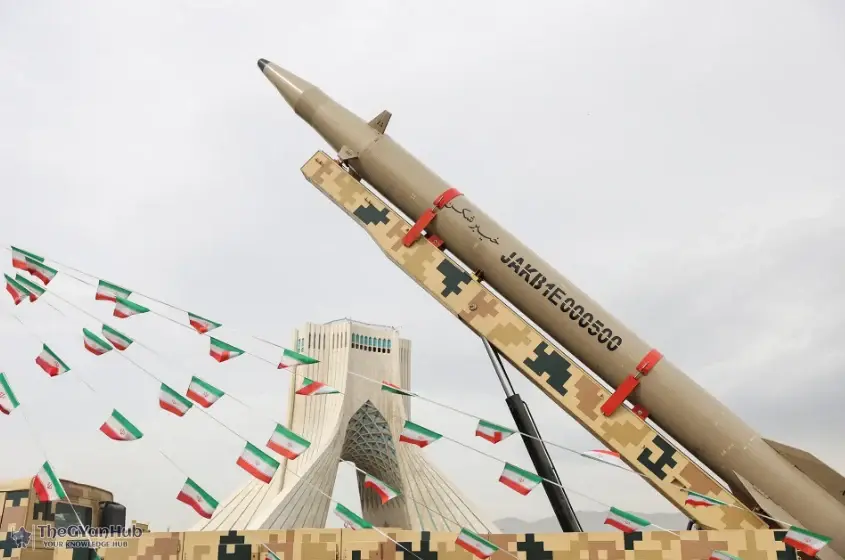
In the complex landscape of international relations, Iran's nuclear program has been a focal point of contention for years. The ongoing negotiations surrounding this issue are not just about nuclear capabilities; they are about regional stability and global security. As the situation escalates, particularly with the backdrop of potential military conflict, the stakes become even higher. If these talks were to collapse during a war, the immediate consequences could be profound.
One of the most pressing concerns following the collapse of nuclear talks is not the immediate threat of a nuclear explosion, but rather the loss of monitoring capabilities. The monitoring systems in place, designed to ensure compliance with international agreements, would likely be dismantled or severely compromised. This loss of oversight could lead to a significant increase in nuclear activities, as Iran may feel emboldened to pursue its ambitions without the fear of international scrutiny.
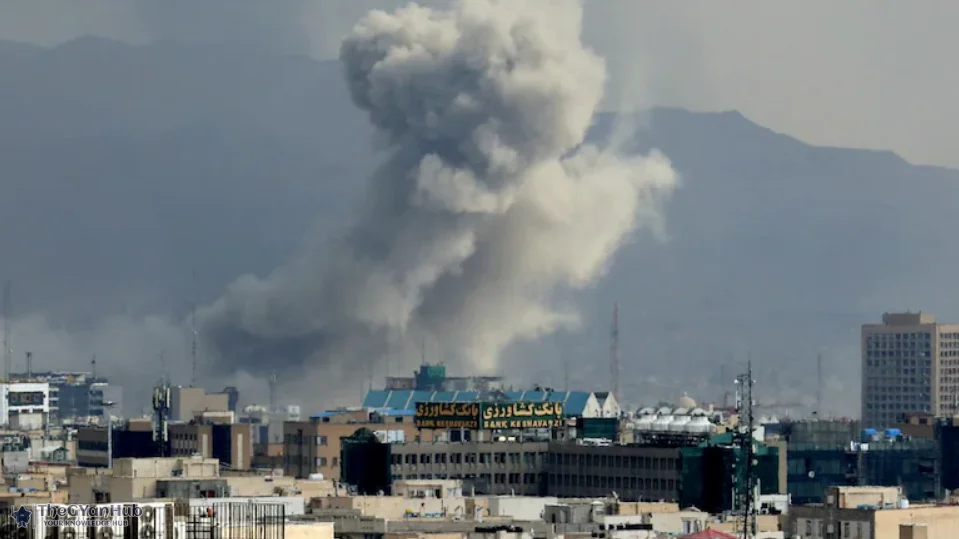
International monitoring plays a crucial role in preventing nuclear proliferation. Organizations like the International Atomic Energy Agency (IAEA) have been instrumental in overseeing Iran's nuclear activities. However, if diplomatic relations deteriorate, the IAEA's ability to monitor these activities could be severely hindered. This lack of transparency could lead to increased tensions not only in the Middle East but also globally.
Another significant concern is the potential for military escalation. If Iran perceives that it can operate without oversight, it may take more aggressive actions, prompting responses from other nations, particularly Israel and the United States. The cycle of retaliation could spiral out of control, leading to a broader conflict that could engulf the region.
The ramifications of a breakdown in nuclear talks extend beyond Iran. Neighboring countries, such as Saudi Arabia and Turkey, may feel compelled to enhance their own military capabilities in response to a perceived threat. This arms race could destabilize the region further, leading to increased hostilities and conflict.
The international community would likely react swiftly to a collapse of talks. Countries that have been involved in negotiations may impose sanctions or take other measures to curb Iran's nuclear ambitions. However, the effectiveness of such actions is debatable, especially if Iran feels cornered and sees no diplomatic path forward.
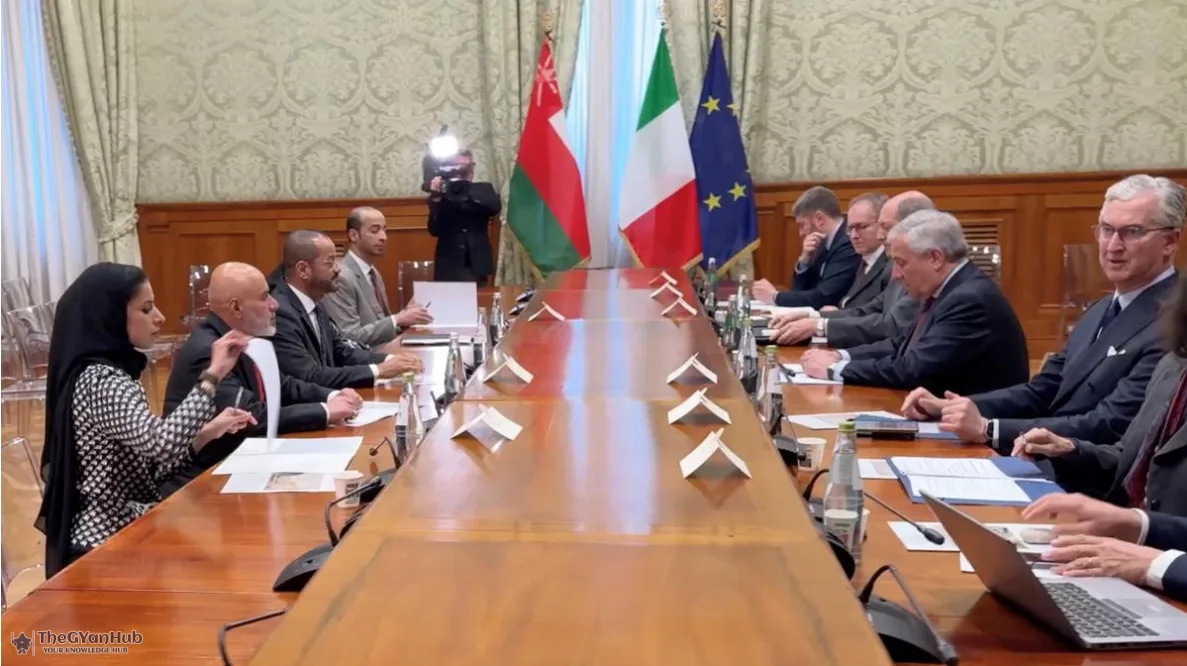
Major powers, including the United States, Russia, and China, have a vested interest in the outcome of Iran's nuclear negotiations. Their responses to a breakdown could vary significantly, influencing the geopolitical landscape. For instance, while the U.S. may advocate for stricter sanctions, Russia and China might push for dialogue and diplomacy, complicating the situation further.
Despite the fears surrounding a collapse of nuclear talks, it is essential to understand what is unlikely to occur. A sudden nuclear explosion is not a foregone conclusion. The process of developing a nuclear weapon is complex and requires time, resources, and technology. While the risk of escalation increases, the immediate transition to a nuclear-armed Iran is not a certainty.
Even in the event of a breakdown, there may still be avenues for diplomacy. Backchannel communications could continue, allowing for negotiations to resume in a less formal setting. History has shown that even amidst conflict, nations often seek to find common ground to avoid catastrophic outcomes.
The potential collapse of Iran's nuclear talks during a war presents a complex array of challenges and uncertainties. While the immediate loss of monitoring is a significant concern, the broader implications for regional and global security cannot be overlooked. As tensions continue to rise, the international community must remain vigilant and proactive in seeking solutions that promote stability and peace.

March 20, 2026
Meta has clarified that it is not actively killing the Metaverse, but rather allowing it to gradually fade away. This decision reflects the company's shifting priorities and focus on other emerging technologies.
March 18, 2026
X, formerly known as Twitter, experienced a significant outage affecting thousands of users worldwide. The platform is now back online, with timelines restored and posts visible once again.

March 18, 2026
Samsung has officially announced the discontinuation of its ambitious triple-folding Galaxy Z TriFold. This decision comes after various challenges faced during its development and market readiness.

I’m a passionate writer who loves exploring ideas, sharing stories, and connecting with readers through meaningful content.I’m dedicated to sharing insights and stories that make readers think, feel, and discover something new.