India's AI Challenge: Adapting Workers to New Technologies
3 min readArtificial Intelligence

Artificial Intelligence (AI) is transforming industries across the globe, and India is no exception. With a burgeoning tech sector and a young workforce, the country stands at a pivotal point in its AI journey. However, the real challenge is not merely the adoption of AI technologies but rather how quickly and effectively the workforce can adapt to these innovations.
India has made significant strides in AI research and implementation. From healthcare to finance, AI applications are reshaping traditional processes, enhancing efficiency, and driving growth. However, the rapid pace of technological advancement poses a challenge for many workers who may find themselves ill-equipped to navigate this new landscape.
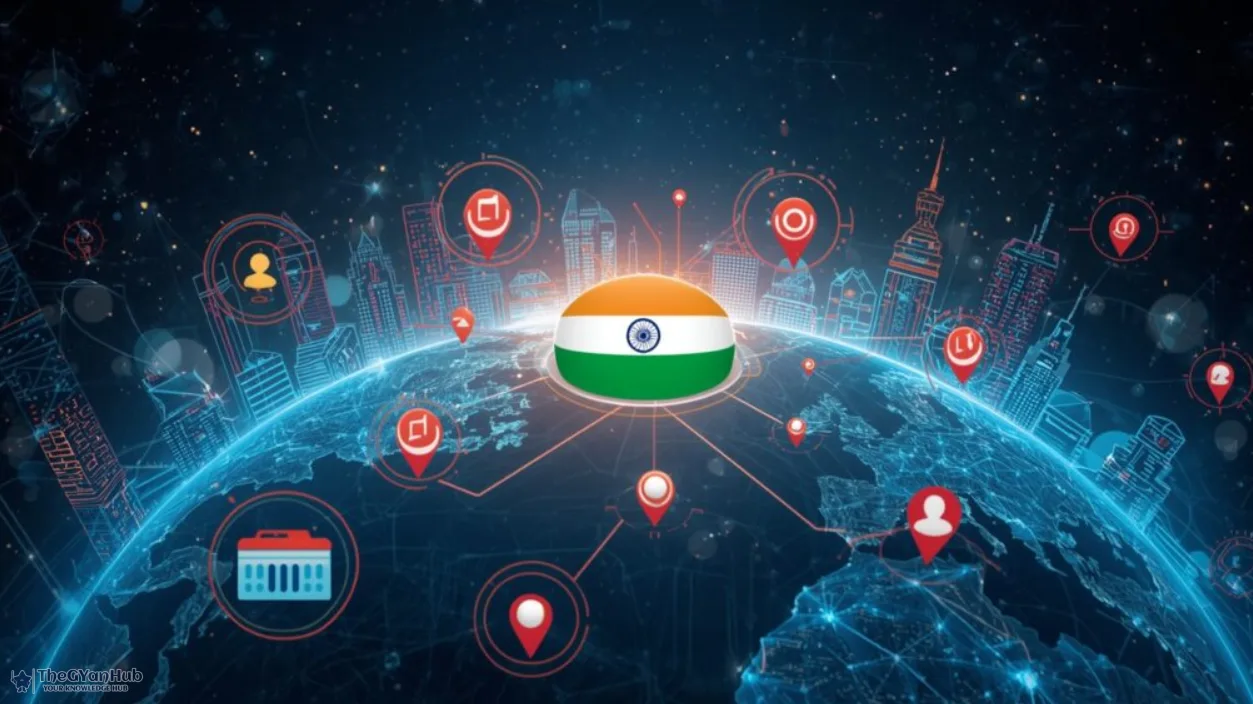
Healthcare: AI is being used for diagnostics, patient management, and personalized medicine.
Finance: Automation of trading, risk assessment, and customer service through chatbots.
Manufacturing: Robotics and AI-driven analytics are optimizing production lines.
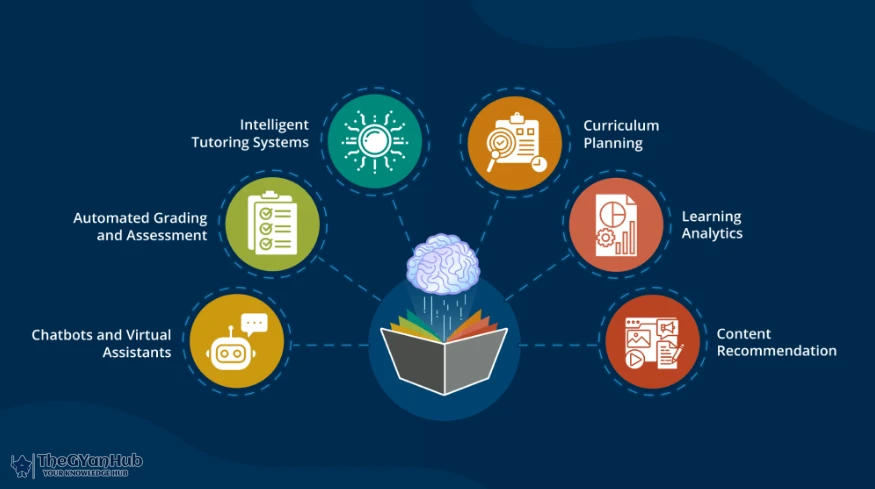
Education: AI is personalizing learning experiences and automating administrative tasks.
Despite the promising advancements, many workers face significant hurdles in adapting to AI technologies. A few of the main challenges include:
Lack of Skills: Many workers lack the necessary technical skills to work alongside AI systems.
Resistance to Change: A cultural resistance to adopting new technologies can hinder progress.
Job Displacement: Fears of job loss due to automation can create anxiety among workers.
To address these challenges, several strategies can be implemented:
Upskilling and Reskilling: Organizations should invest in training programs to equip workers with the skills needed to thrive in an AI-driven environment.
Promoting a Culture of Innovation: Encouraging a mindset that embraces change can help alleviate resistance and foster a more adaptable workforce.
Collaboration between Government and Industry: Public-private partnerships can facilitate the development of training programs and resources.
Education plays a crucial role in preparing the future workforce for AI integration. Educational institutions must evolve their curricula to include AI literacy, data analysis, and critical thinking skills. By doing so, they can ensure that graduates are not only aware of AI technologies but are also capable of leveraging them effectively in their careers.
India's challenge with AI is not solely about technology; it is fundamentally about the ability of its workforce to adapt to these changes. By focusing on upskilling, fostering innovation, and enhancing educational frameworks, India can harness the full potential of AI while ensuring that its workers are prepared for the future.

February 27, 2026
The WNS chief reassures that artificial intelligence will not eliminate jobs in India's outsourcing sector, emphasizing the potential for AI to enhance productivity and create new opportunities.

February 26, 2026
Salesforce's CEO has confidently stated that the so-called 'SaaSpocalypse' will not spell doom for SaaS. Instead, the rise of AI agents is set to enhance the SaaS landscape significantly.
February 24, 2026
India's technology revenue is expected to soar to $315 billion, with AI contributing a modest 3-4%. This article explores the implications of these figures for the tech landscape in India.

I’m a passionate writer who loves exploring ideas, sharing stories, and connecting with readers through meaningful content.I’m dedicated to sharing insights and stories that make readers think, feel, and discover something new.