AI Will Not Kill Jobs in India’s Outsourcing Sector, Says WNS Chief
3 min readArtificial Intelligence

In a recent statement, the chief executive of WNS, a leading business process management company, addressed concerns regarding the impact of artificial intelligence (AI) on jobs in India’s outsourcing sector. Contrary to popular belief, he asserted that AI will not kill jobs but rather transform the landscape of employment in the industry.
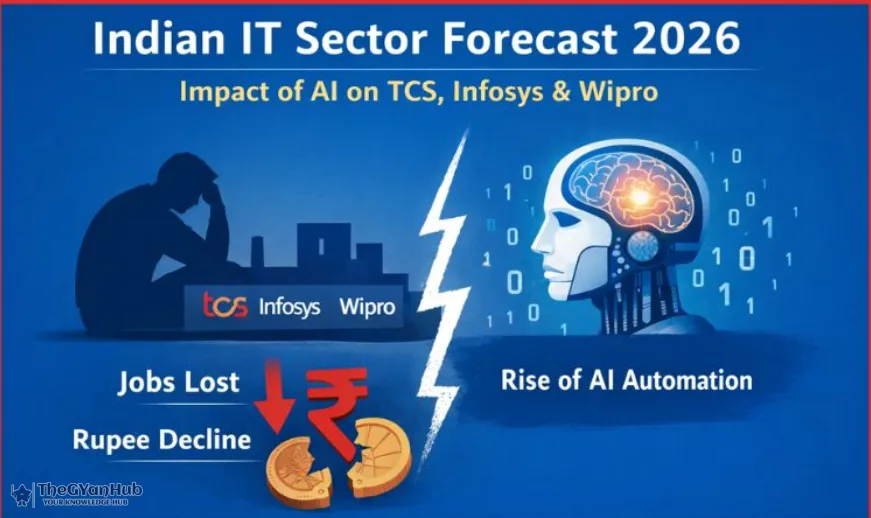
This statement comes at a time when many are apprehensive about the rapid advancements in AI technology and its implications for employment. The WNS chief highlighted that while AI can automate certain tasks, it also opens up new avenues for job creation and enhances overall productivity.
AI is increasingly being integrated into various processes within the outsourcing sector. This integration allows companies to streamline operations, reduce costs, and improve service delivery. For instance, AI-driven analytics can help businesses make more informed decisions, leading to better outcomes for clients.
Moreover, the WNS chief pointed out that rather than replacing human workers, AI can augment their capabilities. Employees can focus on more complex tasks that require creativity and critical thinking, while AI handles repetitive and mundane activities.
As AI technologies evolve, new job roles are emerging that did not exist before. The demand for skilled professionals who can manage and maintain AI systems is on the rise. This shift necessitates a workforce that is adaptable and willing to learn new skills.
Data scientists
AI trainers
Machine learning engineers
AI ethics compliance officers
These roles highlight the need for continuous education and training within the workforce. Companies are encouraged to invest in upskilling their employees to prepare them for the future job market.
To mitigate the potential disruptions caused by AI, educational institutions and companies must collaborate to provide relevant training programs. This includes not only technical skills but also soft skills that are essential in a technology-driven environment.
Furthermore, the WNS chief emphasized the importance of fostering a culture of innovation within organizations. By encouraging employees to embrace new technologies and methodologies, companies can remain competitive in an ever-evolving market.
In conclusion, the WNS chief's remarks serve as a reminder that while AI will undoubtedly change the outsourcing sector, it does not spell doom for jobs. Instead, it presents an opportunity for growth, innovation, and the creation of new roles that can benefit both employees and businesses alike.
As the industry adapts to these changes, it is crucial for stakeholders to focus on reskilling and upskilling the workforce to harness the full potential of AI technologies.
May 11, 2026
On National Technology Day, a striking trend emerges as India purchases an AI course every three minutes. This article explores whether this investment in AI education is truly yielding benefits.

April 28, 2026
The viral ChatGPT palm reader meme has ignited concerns about privacy, with many fearing that the CIA may have access to their fingerprints. This article explores the origins of the meme and the underlying anxieties it reflects.

April 27, 2026
OpenAI is venturing into the smartphone market with an innovative AI device that boasts agentic capabilities, posing a significant challenge to industry giants like Apple and Samsung. This article explores the potential impact of this groundbreaking technology.

I’m a passionate writer who loves exploring ideas, sharing stories, and connecting with readers through meaningful content.I’m dedicated to sharing insights and stories that make readers think, feel, and discover something new.