India Excludes Crypto and Stablecoins from Fintech Celebration
2 min readWorld News

India's fintech sector has been rapidly evolving, with significant advancements in digital payments, lending, and financial inclusion. However, the recent fintech jamboree in India made headlines for what it left out rather than what it included: cryptocurrencies and stablecoins.

The event, which gathered industry leaders and policymakers, focused on enhancing traditional financial technologies. Discussions centered around improving digital payment systems, expanding financial services to underserved regions, and leveraging technology to boost economic growth.
Despite the global buzz around cryptocurrencies, India has maintained a cautious stance. The Reserve Bank of India (RBI) has repeatedly expressed concerns about the potential risks associated with digital currencies, including volatility and security issues.
India's decision to exclude cryptocurrencies from the fintech event aligns with its regulatory approach. The government has been working on a comprehensive framework to regulate digital currencies, but until then, the focus remains on more established financial technologies.
Stablecoins, which are pegged to traditional currencies, were also absent from the discussions. This exclusion highlights India's preference for maintaining control over its monetary policy and financial systems.
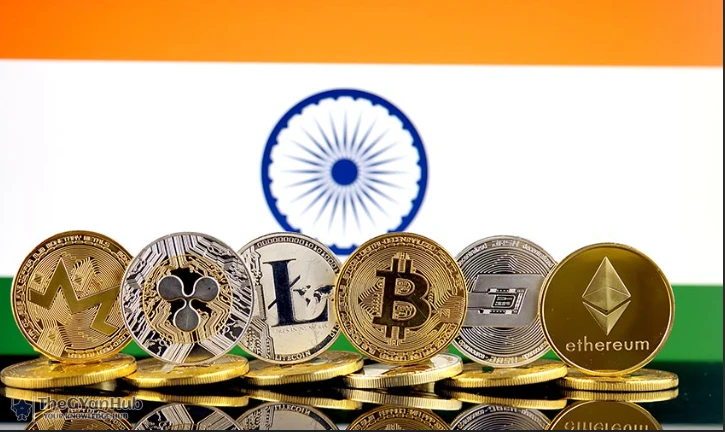
While cryptocurrencies were not part of the recent fintech discussions, India's fintech sector continues to thrive. The country is home to several unicorns and startups that are innovating in areas like digital lending, insurance, and wealth management.
Experts believe that once a regulatory framework is in place, cryptocurrencies could play a role in India's fintech ecosystem. However, for now, the focus remains on strengthening existing financial technologies and expanding access to financial services.
India's cautious approach to cryptocurrencies could influence other countries with similar concerns. As one of the world's largest economies, India's fintech policies are closely watched by global markets.
For now, the fintech jamboree serves as a reminder of India's priorities: enhancing financial inclusion and leveraging technology to drive economic growth, without the immediate inclusion of cryptocurrencies.
May 11, 2026
Rahul Khona has made a significant return to Starbucks India as the Chief Technology Officer, bringing a wealth of experience to enhance the brand's technological advancements.

May 10, 2026
This article delves into the intricate dynamics of the coalition led by Vijay, highlighting the pivotal role played by the DMK amidst ongoing political maneuvers in Tamil Nadu.

April 29, 2026
Amazon is leveraging artificial intelligence to streamline its hiring process in anticipation of the upcoming festival rush. The company has also introduced a new AI design philosophy to enhance its operational efficiency.

I’m a passionate writer who loves exploring ideas, sharing stories, and connecting with readers through meaningful content.I’m dedicated to sharing insights and stories that make readers think, feel, and discover something new.