Sam Altman vs. Sridhar Vembu: A Clash on AI and Human Energy Consumption
3 min readWorld News
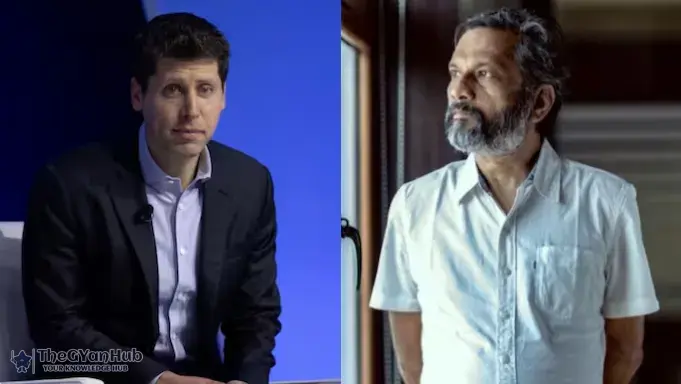
In the ever-evolving landscape of technology, discussions around energy consumption are becoming increasingly vital. Recently, Sam Altman, the CEO of OpenAI, made headlines by comparing the energy usage of artificial intelligence systems to that of human beings. His comments sparked a significant response from Sridhar Vembu, the CEO of Zoho Corporation, who offered a counterpoint to Altman's assertions. This article delves into their contrasting perspectives on energy consumption and sustainability in the realm of AI.
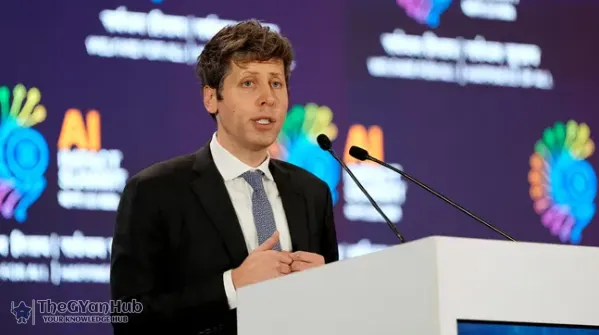
Sam Altman has been a prominent advocate for the development of artificial intelligence, emphasizing its potential to revolutionize various sectors. During a recent conference, he stated that AI systems, while consuming considerable energy, could be more efficient than traditional human labor in certain contexts. Altman argued that as AI technology advances, its energy consumption could decrease, leading to a net positive impact on the environment.
He highlighted that AI can automate processes that would otherwise require significant human effort, potentially leading to lower overall energy consumption in the long run. Altman believes that the efficiency gains from AI could offset the initial energy costs associated with its deployment.
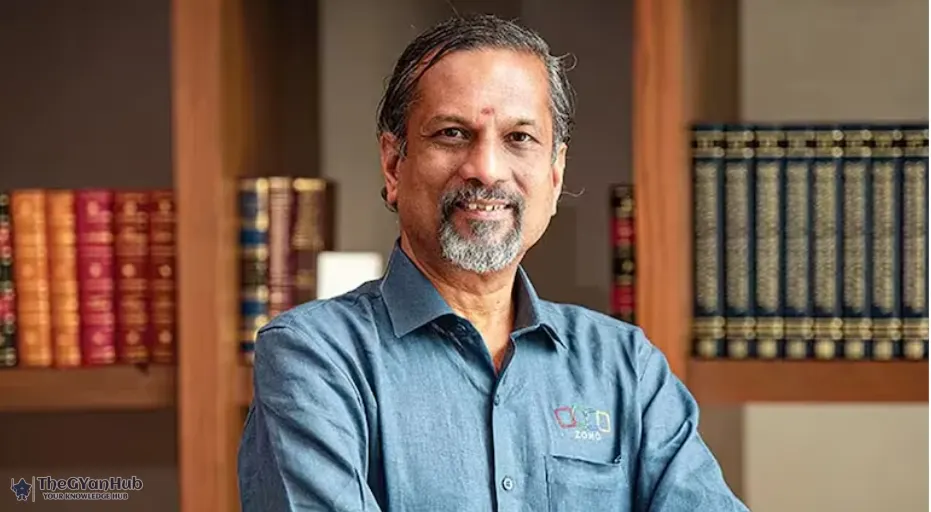
In response to Altman's claims, Sridhar Vembu expressed skepticism about the notion that AI could be more energy-efficient than human labor. Vembu pointed out that while AI systems may automate tasks, they also require substantial infrastructure, including data centers and computational resources, which contribute to their energy footprint. He emphasized that the environmental impact of AI should not be overlooked.
Vembu argued that the comparison between AI and human energy use is not straightforward. He suggested that the energy consumed by AI systems must be weighed against the value they provide. According to Vembu, the focus should be on developing sustainable technologies that minimize energy consumption rather than merely comparing energy usage between AI and humans.
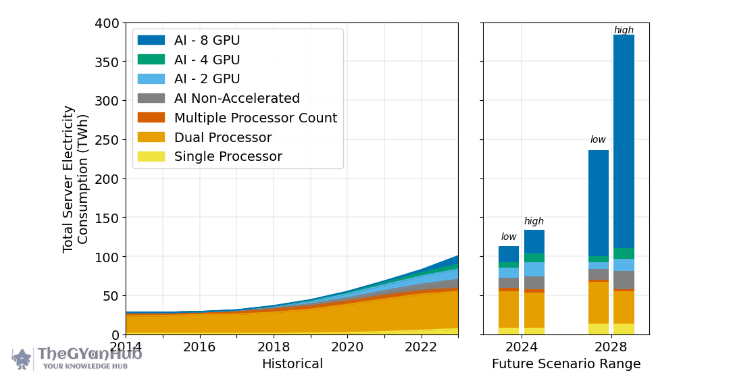
The debate between Altman and Vembu raises important questions about the future of AI and its role in society. As AI continues to advance, understanding its energy consumption patterns will be crucial for policymakers, businesses, and consumers alike. The environmental implications of AI technology may influence public perception and regulatory frameworks surrounding its development.
Moreover, as the world grapples with climate change and the need for sustainable practices, the tech industry must prioritize energy-efficient solutions. This includes exploring renewable energy sources to power data centers and optimizing algorithms to reduce computational demands.
The discussion between Sam Altman and Sridhar Vembu highlights the complexities of energy consumption in the age of AI. While Altman advocates for the potential efficiency gains from AI, Vembu calls for a more nuanced understanding of its environmental impact. As the technology continues to evolve, it will be essential for industry leaders to engage in these conversations and work towards sustainable solutions that benefit both society and the planet.
May 11, 2026
Rahul Khona has made a significant return to Starbucks India as the Chief Technology Officer, bringing a wealth of experience to enhance the brand's technological advancements.
May 10, 2026
This article delves into the intricate dynamics of the coalition led by Vijay, highlighting the pivotal role played by the DMK amidst ongoing political maneuvers in Tamil Nadu.
April 29, 2026
Amazon is leveraging artificial intelligence to streamline its hiring process in anticipation of the upcoming festival rush. The company has also introduced a new AI design philosophy to enhance its operational efficiency.

I’m a passionate writer who loves exploring ideas, sharing stories, and connecting with readers through meaningful content.I’m dedicated to sharing insights and stories that make readers think, feel, and discover something new.