India Aims for Lunar Mission: Astronauts to the Moon by 2040, Says Former ISRO Chief
3 min readScience
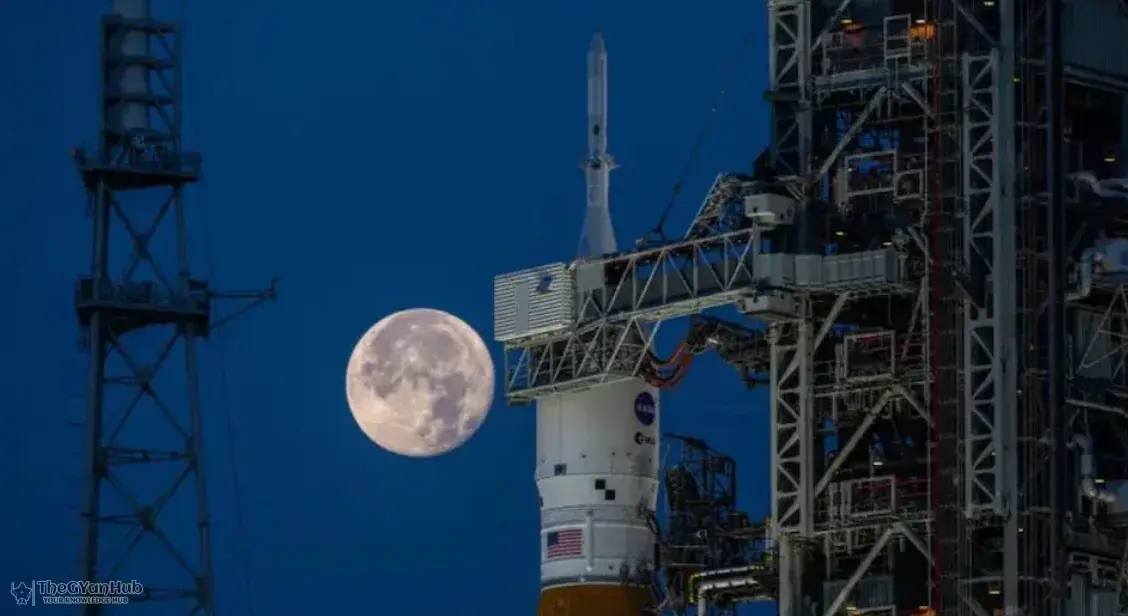
In a groundbreaking announcement, the former chief of the Indian Space Research Organisation (ISRO) revealed that India plans to send its astronauts to the Moon by the year 2040. This initiative is part of India's broader vision to enhance its capabilities in space exploration and establish a stronger presence in the lunar domain.
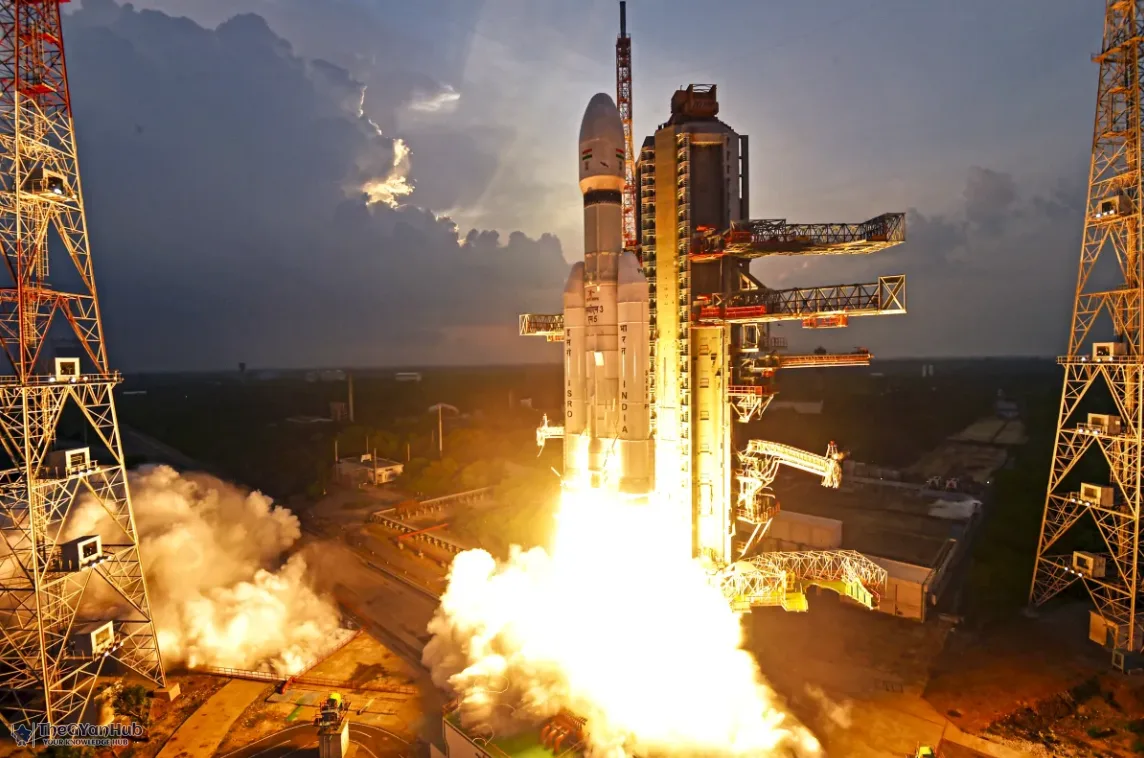
The announcement comes on the heels of India's successful Chandrayaan-3 mission, which demonstrated the country's growing prowess in space technology and exploration. The former ISRO chief emphasized that this lunar mission will not only focus on human spaceflight but will also pave the way for future explorations, including potential manned missions to Mars.
The planned lunar mission is significant for several reasons. Firstly, it marks India's entry into a select group of nations capable of sending humans to the Moon. Currently, only the United States, Russia, and China have achieved this feat. Secondly, the mission aims to foster international collaboration in space research and technology.
India's lunar ambitions are not just about exploration; they also encompass scientific research and technological advancements. The mission will involve extensive research on the Moon's surface, including the study of lunar geology and the search for water resources.
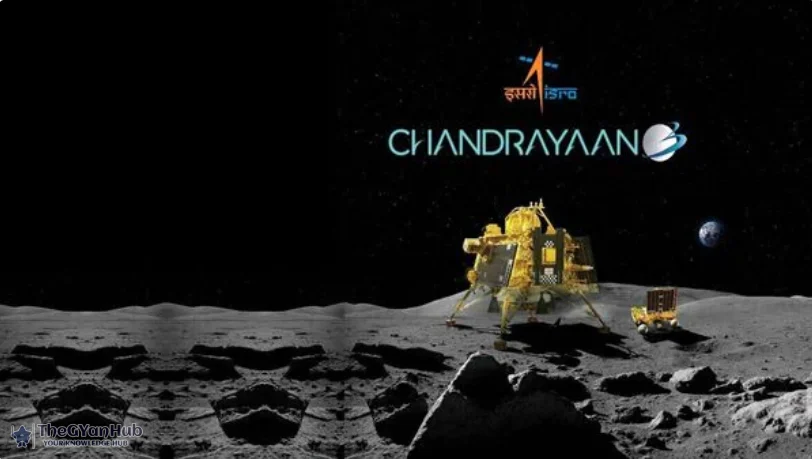
To achieve this ambitious goal, ISRO is ramping up its technological capabilities. The organization is focusing on developing advanced spacecraft and life-support systems that can sustain astronauts during their journey and stay on the Moon. Additionally, ISRO is collaborating with various international space agencies to enhance its technological expertise.
Development of advanced spacecraft
Life-support systems for astronauts
International collaborations for technology sharing
While the vision of sending astronauts to the Moon by 2040 is exciting, it is not without challenges. The former ISRO chief acknowledged that significant hurdles remain, including funding, technological advancements, and ensuring astronaut safety. However, he expressed confidence in India's ability to overcome these challenges through innovation and dedication.
Moreover, the mission will require extensive training for astronauts, who will need to be prepared for the unique challenges of lunar exploration. This includes physical training, simulations, and familiarization with lunar conditions.
The announcement has sparked widespread interest and excitement among the Indian public. Many view this mission as a source of national pride and a testament to India's growing capabilities in science and technology. The government is expected to support this initiative through funding and policy frameworks that encourage research and development in space technology.
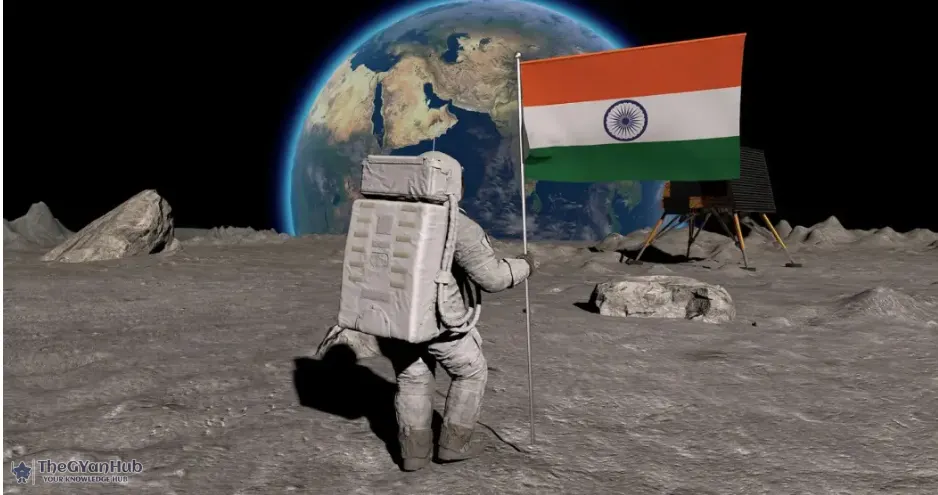
India's plan to send astronauts to the Moon by 2040 is a bold step towards establishing the country as a leader in space exploration. With the right investments in technology and international collaboration, India could soon join the ranks of nations that have ventured beyond Earth. As preparations continue, the world watches with anticipation to see how India will shape the future of lunar exploration.
February 25, 2026
India is transforming its semiconductor design landscape from a cost-effective hub to a powerhouse of capabilities, driving innovation and attracting global investments.

February 20, 2026
As the global AI infrastructure race intensifies, India is making significant strides to establish its presence. However, challenges remain in closing the existing gaps in technology and resources.

February 12, 2026
India is urged to make significant strides in technology to strengthen its diplomatic position on the global stage. This article explores the implications and strategies for achieving this goal.

I’m a passionate writer who loves exploring ideas, sharing stories, and connecting with readers through meaningful content.I’m dedicated to sharing insights and stories that make readers think, feel, and discover something new.