High-Stakes Trade Deal on the Horizon as EU Leaders Celebrate Republic Day in India
3 min readWorld News
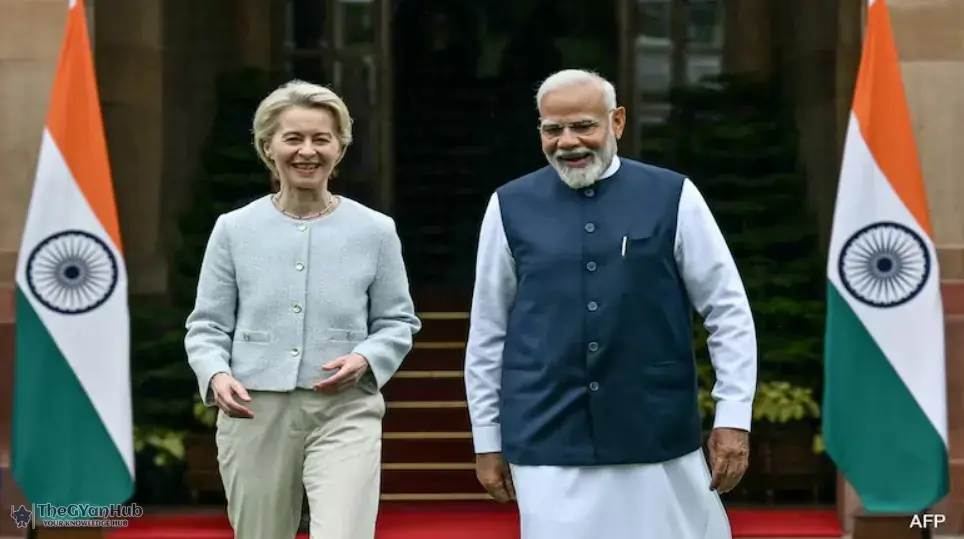
As India gears up for its Republic Day celebrations, the atmosphere is charged with anticipation, not just for the festivities but also for a significant diplomatic engagement. The 16th India-EU Summit, scheduled for January 27, is expected to be a turning point in the economic relationship between India and the European Union. With leaders from both sides converging in New Delhi, discussions surrounding a long-pending Free Trade Agreement (FTA) are at the forefront.
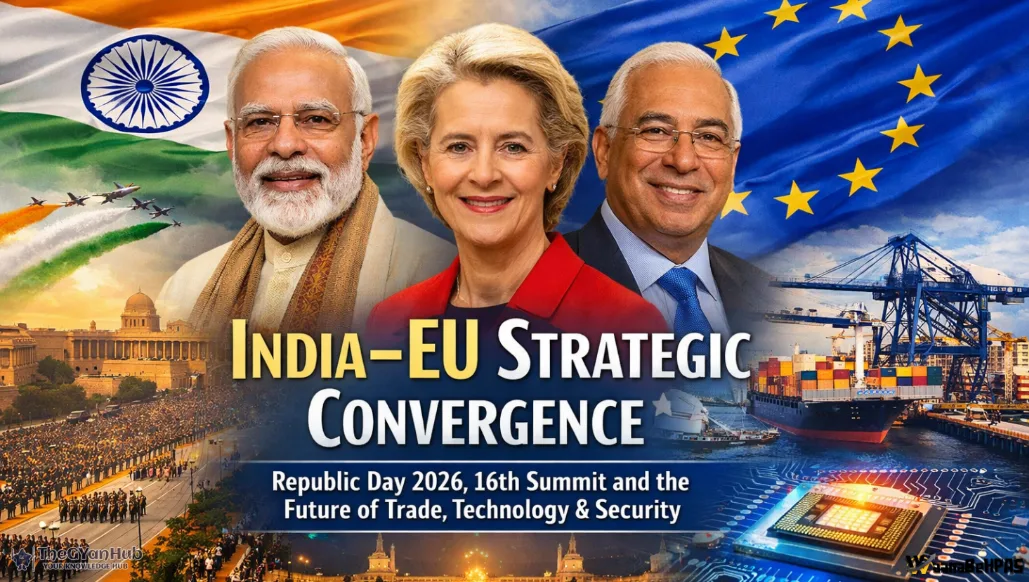
The India-EU Summit is a crucial platform for dialogue and collaboration between two major economies. The potential FTA has been in the works for several years, and this summit provides an opportunity to address outstanding issues and pave the way for a comprehensive agreement. The leaders' visit coinciding with Republic Day adds a layer of significance, symbolizing unity and shared goals.
A Free Trade Agreement is designed to reduce or eliminate barriers to trade between countries, including tariffs and import quotas. For India and the EU, an FTA could enhance trade in goods and services, boost investment flows, and foster economic growth. The agreement aims to create a more favorable trading environment, benefiting businesses and consumers alike.
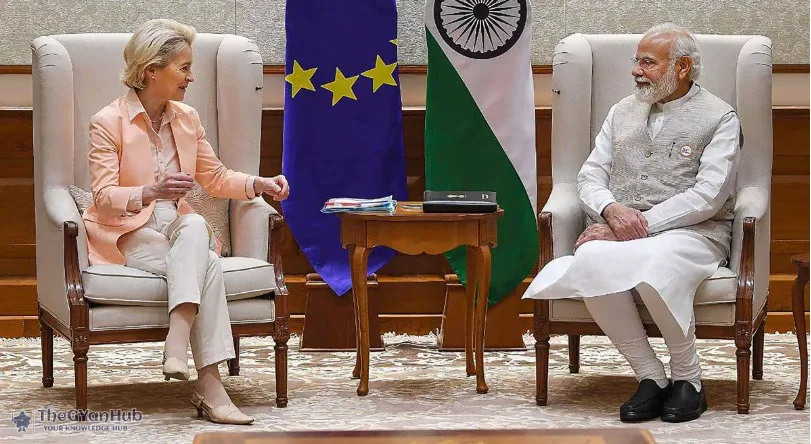
During the summit, several key areas are expected to be discussed:
Tariff Reductions: Negotiations will focus on reducing tariffs on a range of products, making it easier for Indian goods to enter European markets and vice versa.
Investment Opportunities: The leaders will explore ways to enhance investment flows, encouraging businesses from both regions to invest in each other's markets.
Regulatory Cooperation: Streamlining regulations to facilitate smoother trade processes will be a priority, addressing concerns that have hindered progress in negotiations.
While the prospects of an FTA are promising, several challenges remain. Differences in regulatory standards, concerns over labor rights, and environmental issues are just a few of the hurdles that negotiators will need to overcome. Additionally, geopolitical factors, including relations with other countries, may influence the discussions.
The backdrop of the summit is also shaped by global geopolitical dynamics. With rising tensions in various regions, both India and the EU are keen to strengthen their economic ties as a means of enhancing their strategic positions. This summit represents a critical moment for both parties to align their interests and present a united front on the global stage.
The upcoming India-EU Summit is poised to be a landmark event, with the potential to reshape economic relations between India and the European Union. As leaders gather in New Delhi for Republic Day celebrations, the discussions surrounding the Free Trade Agreement will be closely watched by businesses and policymakers alike. The outcome of these negotiations could have far-reaching implications for trade, investment, and economic growth in both regions.
March 2, 2026
The ongoing crisis in Iran is reshaping economic dynamics in India, prompting private equity firms to increase their investments in SaaS companies. This article explores the implications of these developments.
March 1, 2026
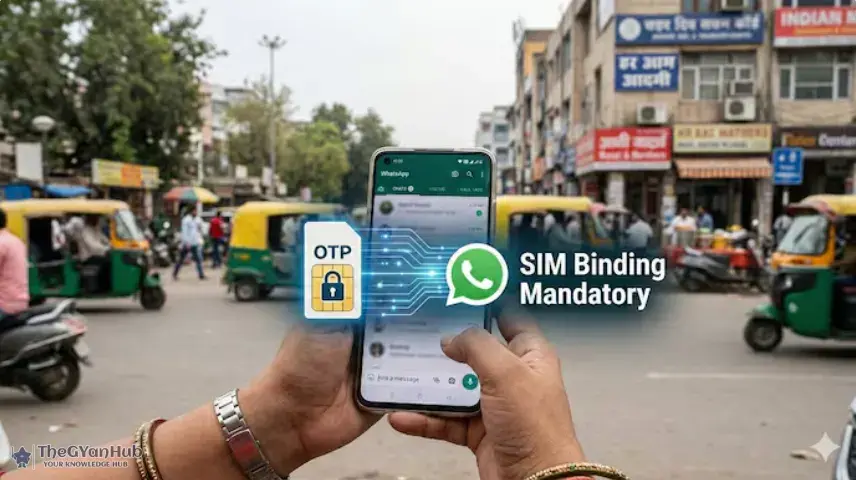
Starting March 1, WhatsApp will require Indian users to bind their accounts to a SIM card, marking a significant change in how the messaging platform operates. This new policy aims to enhance security and reduce misuse of the app.
March 1, 2026
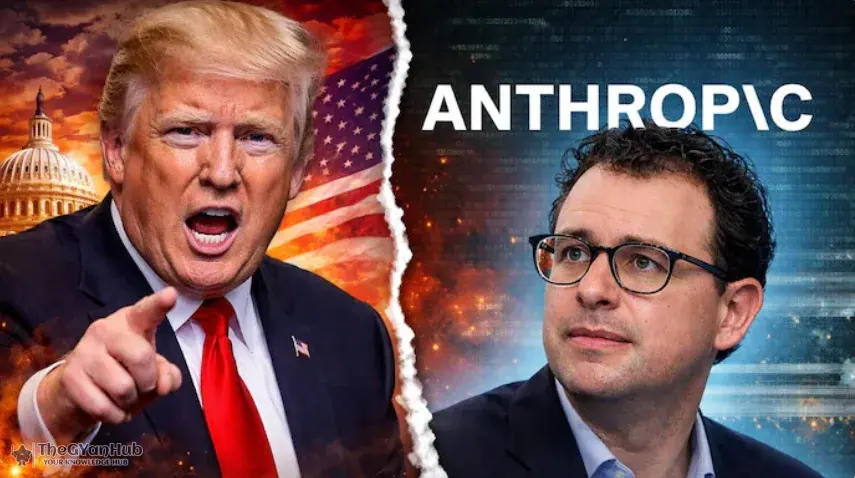
In a surprising turn of events, just hours before the anticipated Iran war, former President Trump and the US government have declared a figurative war on Anthropic and Claude AI. This article explores the implications of this declaration and its potential impact on the tech landscape.

I’m a passionate writer who loves exploring ideas, sharing stories, and connecting with readers through meaningful content.I’m dedicated to sharing insights and stories that make readers think, feel, and discover something new.