WhatsApp Users in India: Mandatory SIM Binding Starts March 1
3 min readWorld News
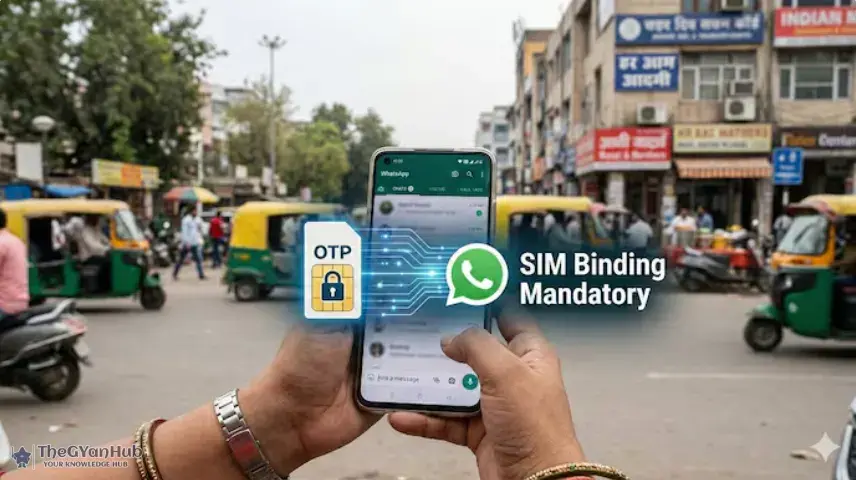
In a major shift for users in India, WhatsApp has announced that starting March 1, 2026, all users will be required to bind their accounts to a SIM card. This change is part of a broader effort to enhance security and prevent misuse of the platform. With millions of users relying on WhatsApp for daily communication, this new policy is set to impact how the app is used.
SIM binding refers to the process of linking a user's WhatsApp account to their mobile number. This means that users will need to verify their identity through their SIM card to access their accounts. The primary goal of this initiative is to ensure that only legitimate users can access the platform, thereby reducing instances of spam and fraudulent activities.
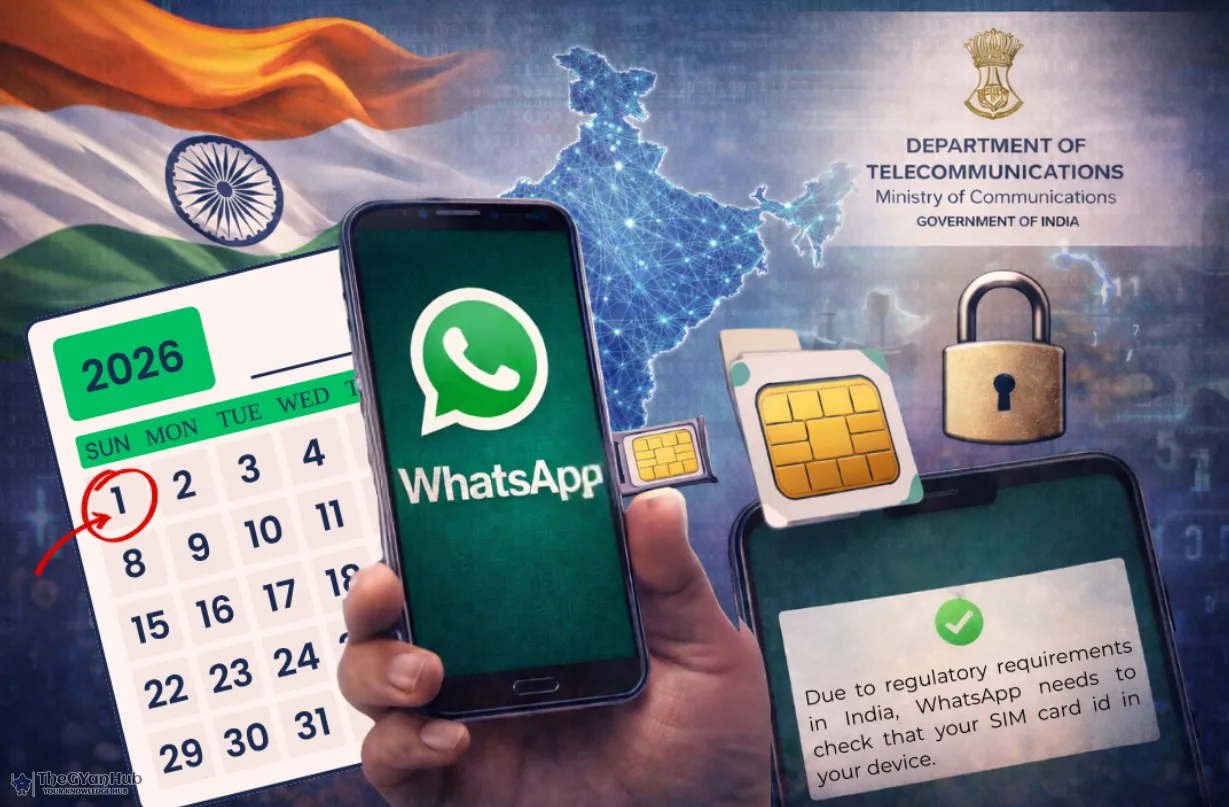
The decision to implement SIM binding comes in response to growing concerns about security and privacy on messaging platforms. With the rise of fake accounts and misuse of services, WhatsApp aims to create a safer environment for its users. By linking accounts to a SIM card, the platform can better track and verify user identities, making it harder for malicious actors to exploit the system.
For most users, the transition to SIM binding should be relatively straightforward. Upon logging into WhatsApp after March 1, users will be prompted to verify their account using their mobile number. This process will involve receiving a verification code via SMS, which must be entered into the app to complete the binding process.
Users without a SIM card will not be able to access their WhatsApp accounts.
Those who change their phone numbers will need to update their SIM binding accordingly.
The policy aims to reduce the number of spam accounts and improve overall security.
While the new policy is designed to enhance security, it may also present challenges for some users. For instance, individuals who frequently travel or use dual SIM phones may find the process cumbersome. Additionally, users in areas with poor mobile network coverage may experience difficulties during the verification process.
To prepare for the upcoming changes, users are encouraged to ensure that their mobile numbers are active and that they can receive SMS messages. It is also advisable to back up chat histories and important information before the transition to avoid any potential data loss.

The mandatory SIM binding for WhatsApp users in India marks a significant change in how the platform operates. While it aims to enhance security and reduce misuse, users must adapt to this new requirement starting March 1. By understanding the implications and preparing accordingly, users can ensure a smooth transition to the updated policy.

May 11, 2026
Rahul Khona has made a significant return to Starbucks India as the Chief Technology Officer, bringing a wealth of experience to enhance the brand's technological advancements.

May 10, 2026
This article delves into the intricate dynamics of the coalition led by Vijay, highlighting the pivotal role played by the DMK amidst ongoing political maneuvers in Tamil Nadu.

April 29, 2026
Amazon is leveraging artificial intelligence to streamline its hiring process in anticipation of the upcoming festival rush. The company has also introduced a new AI design philosophy to enhance its operational efficiency.

I’m a passionate writer who loves exploring ideas, sharing stories, and connecting with readers through meaningful content.I’m dedicated to sharing insights and stories that make readers think, feel, and discover something new.