Asim Munir's 'Brain Gain' Vision Faces Challenge as Skilled Workers Exit Pakistan
3 min readWorld News

Pakistan is currently witnessing a massive exodus of skilled professionals, including doctors, engineers, and accountants. This trend has intensified over the past two years, driven by economic instability and limited professional opportunities within the country. The situation poses a stark contrast to Asim Munir's recent statements about a potential 'brain gain' for Pakistan.
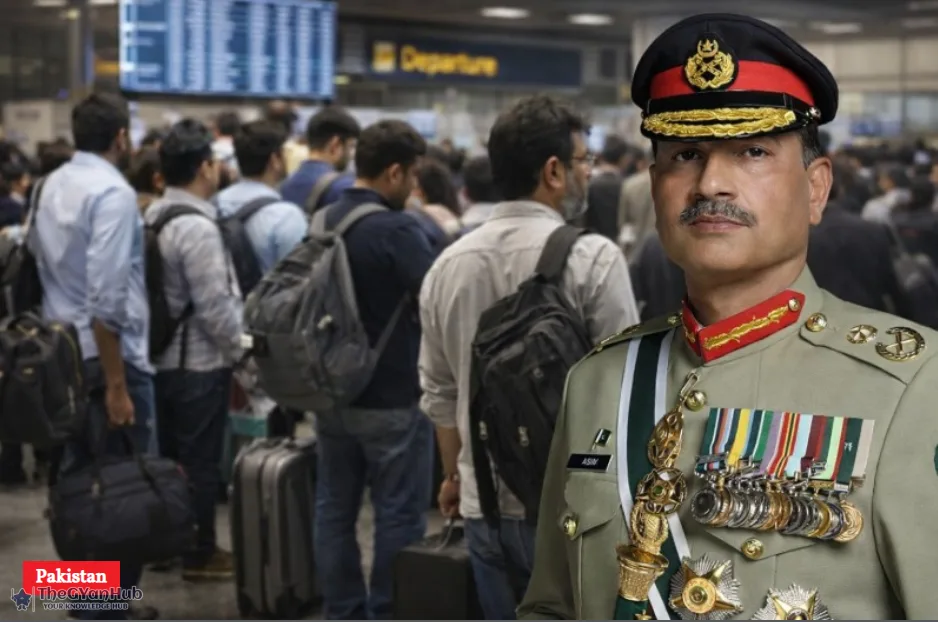
Several factors contribute to this mass migration. Economic challenges, political instability, and a lack of growth opportunities are primary reasons why many skilled workers are seeking employment abroad. Countries offering better compensation and career prospects attract these professionals, leading to a significant talent drain from Pakistan.
According to recent statistics, thousands of skilled workers have left Pakistan in search of better opportunities. This trend is not only a loss of talent but also a loss of potential economic growth for the nation.
Despite the ongoing brain drain, Asim Munir has expressed optimism about reversing this trend. He envisions a future where Pakistan can attract its diaspora back home, leveraging their skills and experiences gained abroad. However, achieving this 'brain gain' requires substantial policy changes and improvements in the domestic job market.

Munir's vision includes creating a conducive environment for innovation and entrepreneurship, which could entice skilled professionals to return. However, the current economic and political climate presents significant challenges to realizing this vision.
The departure of skilled workers has a profound impact on Pakistan's economy. The loss of experienced professionals leads to a gap in critical sectors, affecting productivity and innovation. Moreover, the remittances sent back by these workers, while beneficial, cannot compensate for the loss of human capital.
To mitigate these effects, Pakistan needs to implement strategies that not only retain existing talent but also attract expatriates back to the country. This involves improving job prospects, ensuring political stability, and fostering an environment conducive to professional growth.
Brain drain is not unique to Pakistan; many developing countries face similar challenges. However, successful examples of reversing brain drain can be found in countries that have implemented targeted policies to attract their diaspora back home. These policies often include tax incentives, investment in research and development, and partnerships with international organizations.

By learning from these examples, Pakistan can develop a comprehensive strategy to address its brain drain issue and work towards achieving the 'brain gain' envisioned by Asim Munir.
May 11, 2026
Rahul Khona has made a significant return to Starbucks India as the Chief Technology Officer, bringing a wealth of experience to enhance the brand's technological advancements.

May 10, 2026
This article delves into the intricate dynamics of the coalition led by Vijay, highlighting the pivotal role played by the DMK amidst ongoing political maneuvers in Tamil Nadu.

April 29, 2026
Amazon is leveraging artificial intelligence to streamline its hiring process in anticipation of the upcoming festival rush. The company has also introduced a new AI design philosophy to enhance its operational efficiency.

I’m a passionate writer who loves exploring ideas, sharing stories, and connecting with readers through meaningful content.I’m dedicated to sharing insights and stories that make readers think, feel, and discover something new.