Albania's AI-Generated Minister Sparks Debate Over Control and Accountability
2 min readWorld News
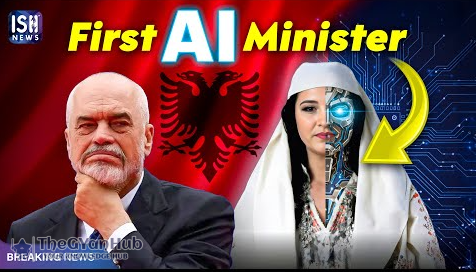
In a groundbreaking move, Albania has appointed an AI-generated minister to oversee its new public tenders portfolio. This decision has sparked a heated debate among experts and citizens alike, questioning the implications of artificial intelligence in governance and the potential risks associated with such a bold step.
The AI-generated minister is tasked with managing and optimizing public tenders, a crucial aspect of government operations. By leveraging advanced algorithms and data analytics, the AI aims to streamline processes, reduce corruption, and enhance transparency. However, the appointment raises significant concerns about accountability and the limits of AI in decision-making.
Proponents of the AI minister argue that artificial intelligence can bring numerous benefits to governance. These include increased efficiency, reduced human error, and the ability to process vast amounts of data quickly. By automating routine tasks, AI can free up human officials to focus on more strategic issues, potentially leading to more effective governance.
Despite the potential advantages, critics are wary of the AI minister's role. The primary concern is the lack of accountability, as AI lacks the human judgment and ethical considerations necessary for complex decision-making. Additionally, there is apprehension about data privacy and the potential for algorithmic biases to influence outcomes.
Albania's experiment with an AI minister is being closely watched by other nations. If successful, it could pave the way for broader adoption of AI in governance worldwide. However, it also serves as a cautionary tale, highlighting the need for robust frameworks to govern AI's role in public administration.
Experts from various fields have weighed in on the issue. Some see it as a natural evolution of technology in governance, while others warn of the potential pitfalls. The debate underscores the need for a balanced approach, ensuring that AI complements human decision-making rather than replacing it entirely.

As Albania navigates this uncharted territory, the world watches with interest. The AI-generated minister represents both an opportunity and a challenge, highlighting the transformative potential of technology in governance while raising important questions about control and accountability.
May 11, 2026
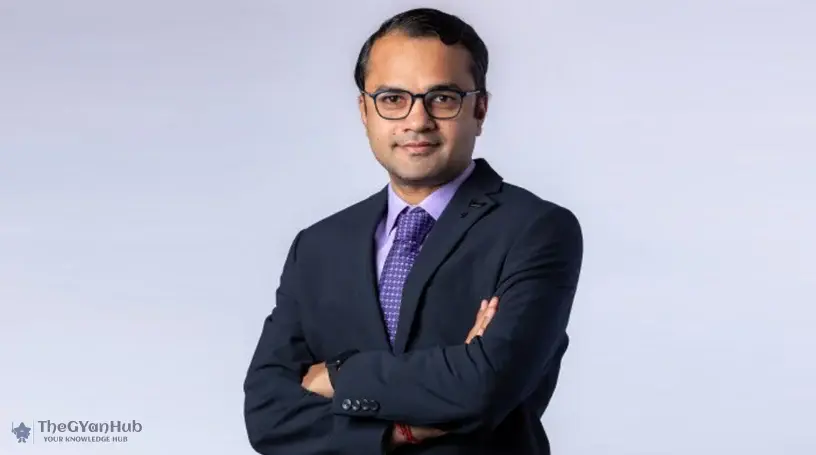
Rahul Khona has made a significant return to Starbucks India as the Chief Technology Officer, bringing a wealth of experience to enhance the brand's technological advancements.
May 10, 2026
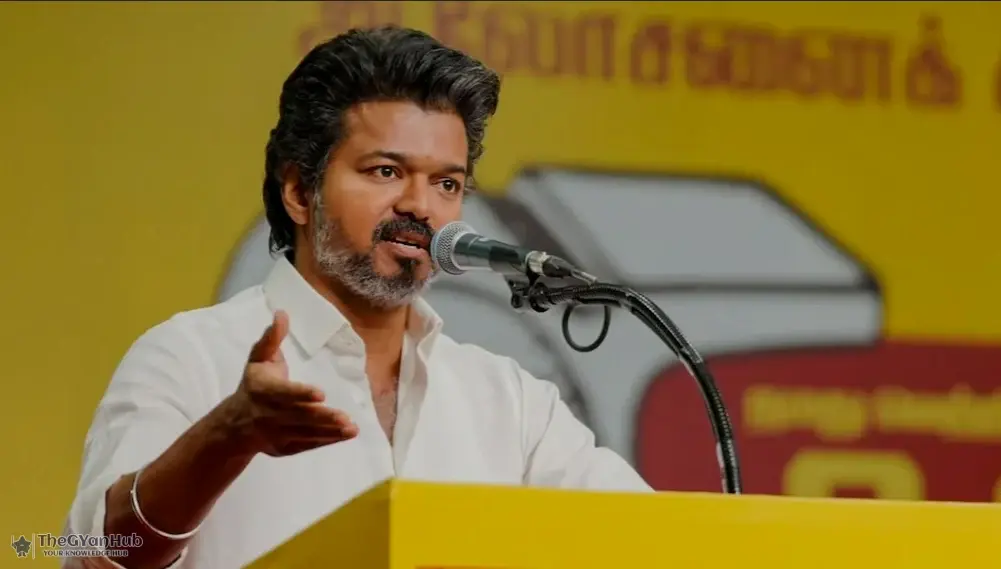
This article delves into the intricate dynamics of the coalition led by Vijay, highlighting the pivotal role played by the DMK amidst ongoing political maneuvers in Tamil Nadu.

April 29, 2026
Amazon is leveraging artificial intelligence to streamline its hiring process in anticipation of the upcoming festival rush. The company has also introduced a new AI design philosophy to enhance its operational efficiency.

I’m a passionate writer who loves exploring ideas, sharing stories, and connecting with readers through meaningful content.I’m dedicated to sharing insights and stories that make readers think, feel, and discover something new.