Airlines Facing Financial Strain Amid Escalating Iran Conflict: Insights from Boeing Global's Chief
2 min readWorld News
The ongoing conflict in Iran has begun to take a significant toll on the aviation industry, as highlighted by Boeing Global's president, Brendan Nelson. In a recent interview with NDTV, Nelson discussed the financial repercussions that airlines are experiencing due to the escalating situation. With numerous flights being canceled or rescheduled, the impact on airlines is becoming increasingly evident.
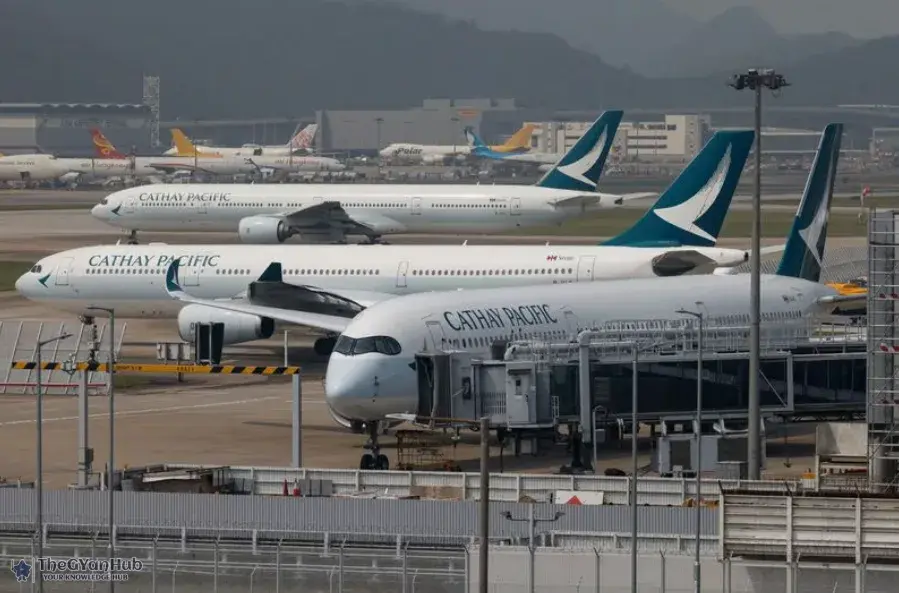
As the conflict intensifies, many airlines have found themselves in a precarious position. The grounding of aircraft and the alteration of flight schedules have led to substantial financial losses. Nelson pointed out that a lot of planes are currently stranded, which is exacerbating the situation for airlines that are already struggling to maintain profitability.
In response to the crisis, several leading airlines have announced significant changes to their flight schedules. These adjustments include:
Suspension of flights to and from affected regions.
Alteration of routes to avoid conflict zones.
Increased operational costs due to the need for alternative arrangements.
These measures, while necessary for safety, have further strained the financial resources of airlines, leading to a ripple effect throughout the industry.
The implications of the Iran conflict extend beyond just a few airlines. The entire aviation sector is feeling the pressure, with potential long-term consequences. Nelson emphasized that the financial hit is not just a temporary setback but could lead to more profound changes in how airlines operate in the future.
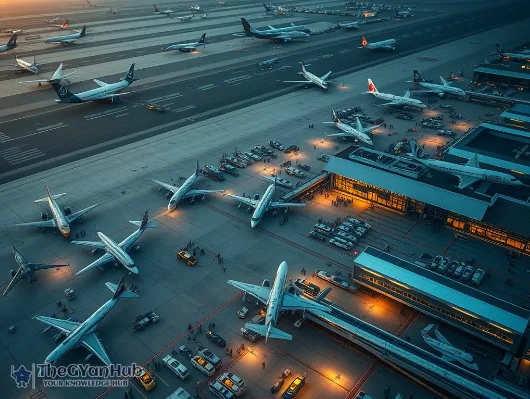
As airlines navigate these turbulent waters, several long-term changes may emerge:
Increased focus on risk management and crisis preparedness.
Potential consolidation within the industry as smaller airlines struggle to survive.
Shifts in travel patterns as consumers become more cautious about flying to conflict-prone areas.
These changes could reshape the landscape of the aviation industry, making it crucial for airlines to adapt quickly to survive.
The escalating conflict in Iran is a stark reminder of how geopolitical issues can have far-reaching effects on global industries. As Boeing Global's president Brendan Nelson pointed out, the financial hit to airlines is significant, and the industry must prepare for a challenging road ahead. With many planes stranded and operational costs rising, the future of air travel in the region remains uncertain.

March 20, 2026
Meta has clarified that it is not actively killing the Metaverse, but rather allowing it to gradually fade away. This decision reflects the company's shifting priorities and focus on other emerging technologies.

March 18, 2026
X, formerly known as Twitter, experienced a significant outage affecting thousands of users worldwide. The platform is now back online, with timelines restored and posts visible once again.

March 18, 2026
Samsung has officially announced the discontinuation of its ambitious triple-folding Galaxy Z TriFold. This decision comes after various challenges faced during its development and market readiness.

I’m a passionate writer who loves exploring ideas, sharing stories, and connecting with readers through meaningful content.I’m dedicated to sharing insights and stories that make readers think, feel, and discover something new.