Airbnb's Bold Move: Replacing Human Jobs with AI Agents for Efficiency
3 min readArtificial Intelligence

In a groundbreaking decision, Airbnb has revealed its strategy to replace human job roles with AI agents. This move, which the company claims will enhance efficiency and reduce operational costs, has sparked a significant debate about the implications for the workforce. As AI technology continues to advance, companies are increasingly turning to automated solutions to streamline their operations.
Airbnb's transition to AI agents is rooted in the belief that these systems can perform tasks more effectively than their human counterparts. According to the company, AI agents can handle customer inquiries, manage bookings, and resolve issues at a fraction of the cost of human employees. This shift is not just about cost-cutting; it also reflects a broader trend in the tech industry where automation is becoming the norm.
One of the primary reasons Airbnb cites for this transition is cost efficiency. AI agents do not require salaries, benefits, or breaks, making them a more economical choice for the company. This financial advantage allows Airbnb to allocate resources to other areas of the business, potentially enhancing the overall customer experience.

Beyond cost savings, Airbnb argues that AI agents can outperform human employees in several key areas. These agents can process information and respond to customer inquiries in real-time, providing immediate assistance. Furthermore, AI systems can analyze vast amounts of data to identify trends and improve service delivery, something that may take humans much longer to achieve.
The decision to replace human roles with AI agents raises significant concerns about employment in the tech sector. Many industry experts warn that this trend could lead to widespread job losses, particularly in customer service roles. As companies like Airbnb embrace automation, workers may find themselves needing to adapt to a changing job landscape.
In light of these changes, reskilling and adaptation will be crucial for the workforce. Employees may need to develop new skills that complement AI technology rather than compete with it. This could involve training in areas such as data analysis, AI management, and customer relationship management, which remain essential even in an automated environment.

The public's response to Airbnb's announcement has been mixed. While some individuals applaud the company's innovative approach, others express concern about the ethical implications of replacing human jobs with machines. Critics argue that the reliance on AI could lead to a lack of personal touch in customer service, which is a hallmark of Airbnb's brand.
As the conversation around AI and employment continues, it is clear that the future of work is evolving. Companies must balance the benefits of automation with the need for human interaction. The challenge lies in finding a model that leverages the strengths of both AI and human employees.
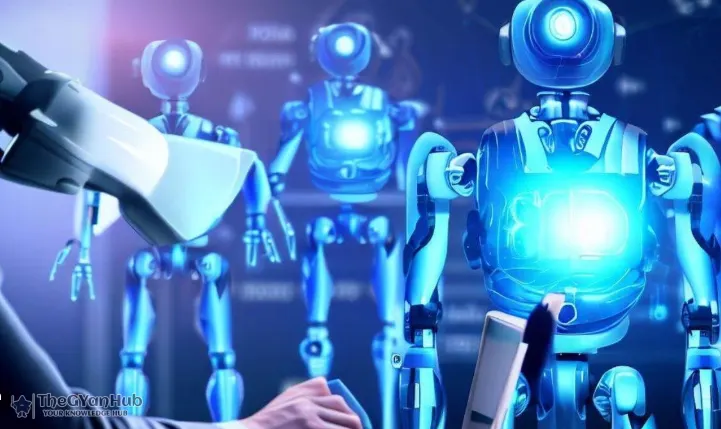
Airbnb's decision to replace human job roles with AI agents marks a significant shift in the tech industry. While the benefits of cost savings and efficiency are clear, the implications for employment and customer service remain to be fully understood. As we move forward, it will be essential for companies to consider the broader impact of automation on society.
May 11, 2026
On National Technology Day, a striking trend emerges as India purchases an AI course every three minutes. This article explores whether this investment in AI education is truly yielding benefits.

April 28, 2026
The viral ChatGPT palm reader meme has ignited concerns about privacy, with many fearing that the CIA may have access to their fingerprints. This article explores the origins of the meme and the underlying anxieties it reflects.

April 27, 2026
OpenAI is venturing into the smartphone market with an innovative AI device that boasts agentic capabilities, posing a significant challenge to industry giants like Apple and Samsung. This article explores the potential impact of this groundbreaking technology.

I’m a passionate writer who loves exploring ideas, sharing stories, and connecting with readers through meaningful content.I’m dedicated to sharing insights and stories that make readers think, feel, and discover something new.