Navigating the AI Startup Trap: Strategies for India's MSMEs to Scale Smartly and Sustainably
3 min readArtificial Intelligence
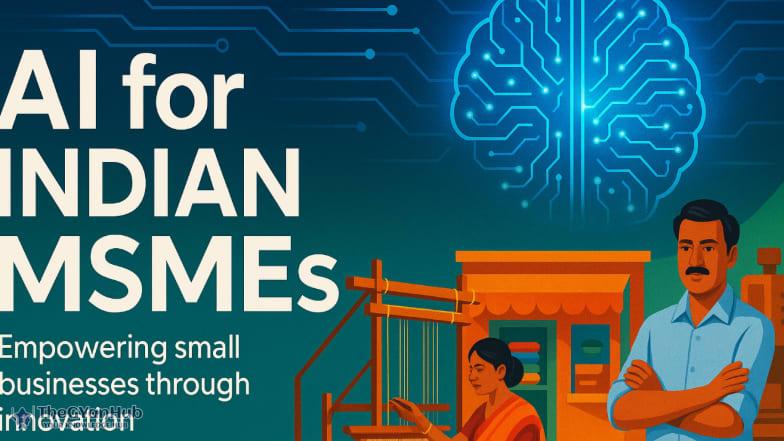
In recent years, the rise of artificial intelligence (AI) has transformed the business landscape, offering unprecedented opportunities for innovation and growth. However, for India's Micro, Small, and Medium Enterprises (MSMEs), navigating the complexities of AI adoption can be daunting. This article delves into the challenges faced by MSMEs in India, the potential of AI to drive sustainable growth, and strategies to avoid the startup trap that often leads to financial instability.
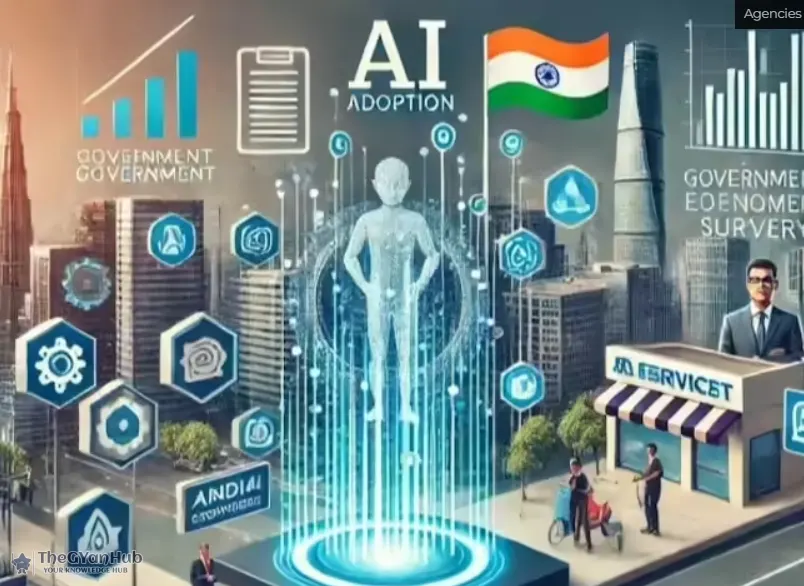
The startup ecosystem in India is vibrant, yet it is fraught with challenges. Many MSMEs struggle with limited resources, lack of access to funding, and intense competition. According to recent studies, a significant percentage of startups fail within the first few years due to various reasons, including poor market fit, inadequate business models, and mismanagement of finances.
One of the most pressing issues is the startup trap, where businesses overextend themselves in pursuit of rapid growth without a solid foundation. This often leads to burnout, financial distress, and ultimately, bankruptcy. For MSMEs, understanding these risks is crucial for long-term sustainability.
AI can be a game-changer for MSMEs, enabling them to optimize operations, enhance customer experiences, and make data-driven decisions. Here are some ways MSMEs can leverage AI:
Automating Routine Tasks: AI tools can automate repetitive tasks, freeing up valuable time for employees to focus on strategic initiatives.
Data Analytics: Utilizing AI-driven analytics can help MSMEs understand market trends, customer preferences, and operational inefficiencies.
Personalized Marketing: AI can enable targeted marketing campaigns, improving customer engagement and conversion rates.
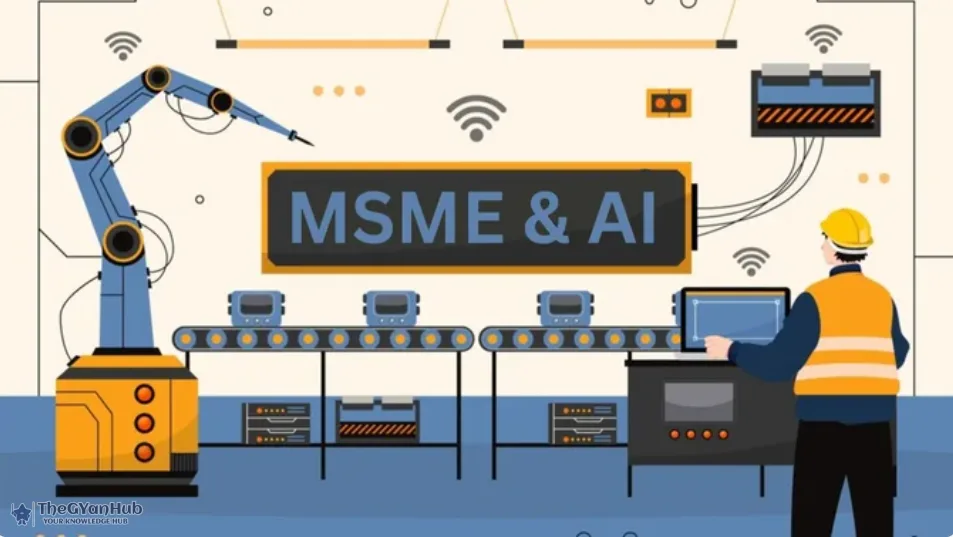
To avoid the startup trap, MSMEs must focus on building a sustainable business model. This involves:
Understanding the Market: Conduct thorough market research to identify customer needs and gaps in the market.
Financial Planning: Develop a robust financial plan that includes budgeting, forecasting, and risk management strategies.
Continuous Learning: Stay updated with industry trends and technological advancements to remain competitive.
Several MSMEs in India have successfully navigated the challenges of the startup landscape by leveraging AI and adopting sustainable practices. For instance, a small manufacturing firm implemented AI-driven predictive maintenance, reducing downtime and operational costs significantly. Another example is a retail startup that utilized AI for inventory management, resulting in improved efficiency and customer satisfaction.
As India’s MSMEs continue to evolve, embracing AI technology can provide a significant advantage in scaling operations and ensuring sustainability. By understanding the risks associated with the startup trap and implementing strategic measures, MSMEs can thrive in a competitive environment. The journey may be challenging, but with the right tools and mindset, the potential for success is immense.
May 11, 2026
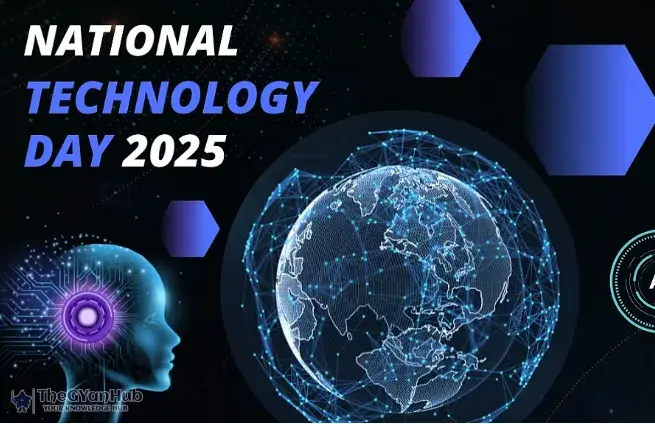
On National Technology Day, a striking trend emerges as India purchases an AI course every three minutes. This article explores whether this investment in AI education is truly yielding benefits.
April 28, 2026
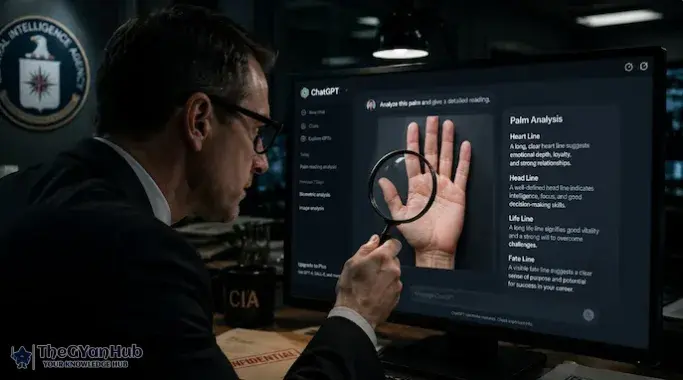
The viral ChatGPT palm reader meme has ignited concerns about privacy, with many fearing that the CIA may have access to their fingerprints. This article explores the origins of the meme and the underlying anxieties it reflects.

April 27, 2026
OpenAI is venturing into the smartphone market with an innovative AI device that boasts agentic capabilities, posing a significant challenge to industry giants like Apple and Samsung. This article explores the potential impact of this groundbreaking technology.

I’m a passionate writer who loves exploring ideas, sharing stories, and connecting with readers through meaningful content.I’m dedicated to sharing insights and stories that make readers think, feel, and discover something new.