Xiaomi's Futuristic Factory: The Truth Behind the Viral 24x7 Operations
3 min readArtificial Intelligence
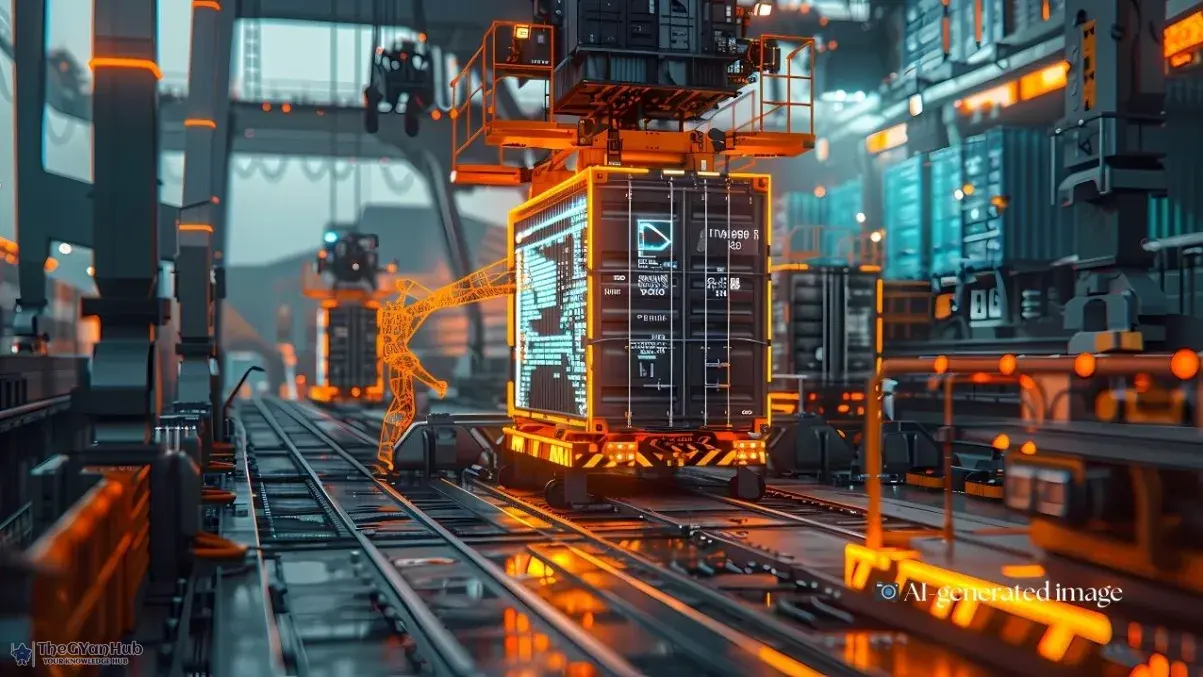
Xiaomi has recently unveiled a factory that has captured the attention of tech enthusiasts and industry experts alike. Promoted as a fully automated facility operating 24x7 without the need for human workers, this factory represents a significant leap in manufacturing technology. But how much of this is true? In this article, we delve into the details of Xiaomi's futuristic factory and explore the implications of such automation in the manufacturing sector.
The announcement of Xiaomi's factory quickly went viral, with many praising the company for its innovative approach to manufacturing. The idea of a factory that operates continuously without human intervention is certainly appealing, especially in an age where efficiency and productivity are paramount. Social media platforms were flooded with discussions and speculations about the potential of such technology.
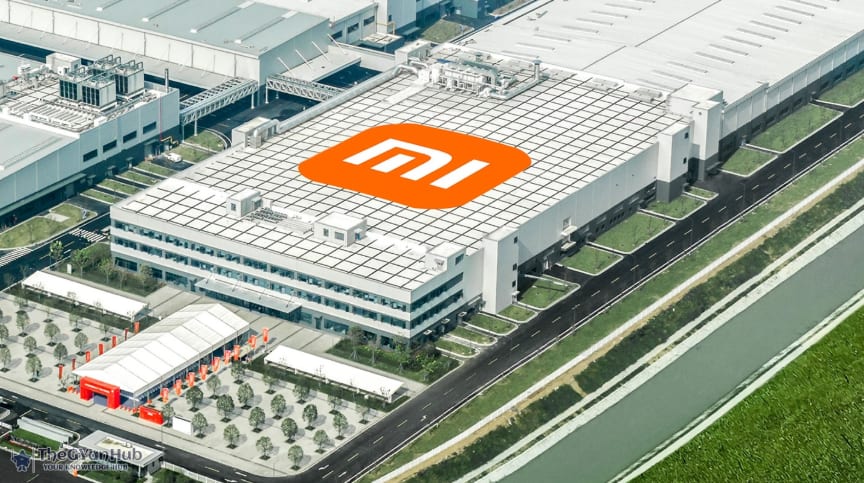
At the heart of Xiaomi's factory is a sophisticated network of robotics and artificial intelligence. These technologies are designed to streamline production processes, reduce errors, and enhance overall efficiency. The factory is equipped with advanced machinery that can perform tasks traditionally done by humans, such as assembling components and packaging products.
While Xiaomi's factory boasts impressive automation capabilities, it is essential to note that the term 'human-free' might be somewhat misleading. Although many processes are automated, there are still critical roles that require human oversight. For instance, maintenance of the machinery, quality control, and logistical operations often necessitate human intervention.
Automation does not eliminate the need for human workers; rather, it transforms their roles. In a highly automated environment, humans are often tasked with more complex responsibilities that machines cannot handle. This shift can lead to a more skilled workforce, but it also raises questions about job displacement and the future of work.
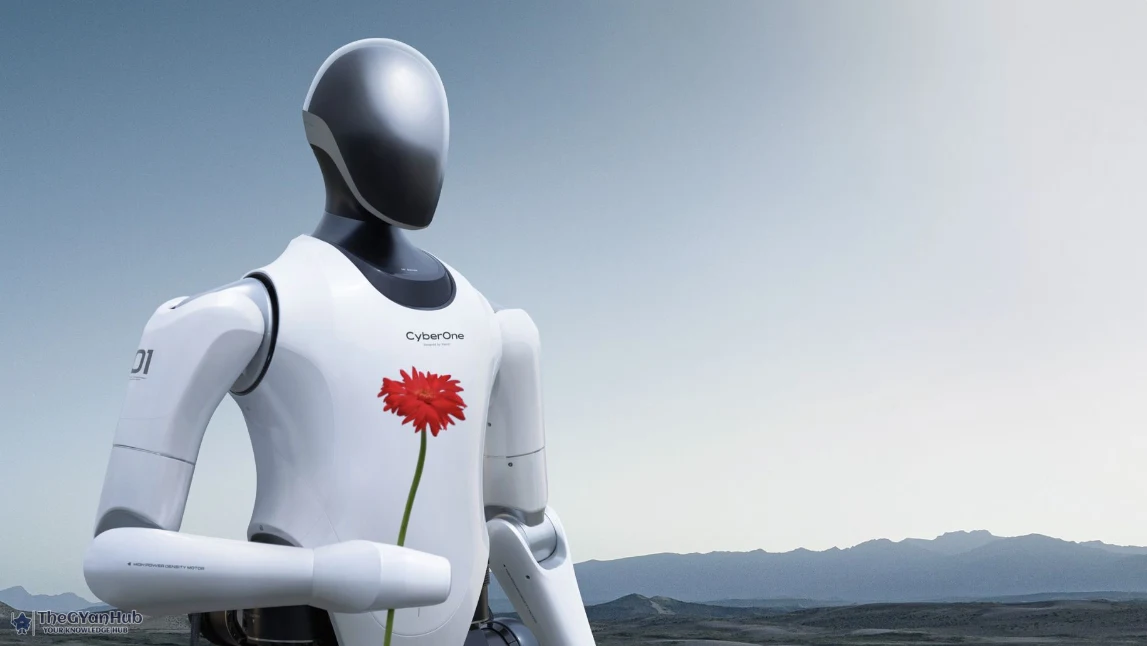
The rise of automated factories like Xiaomi's could have significant implications for the manufacturing industry. Companies may find that investing in automation leads to increased productivity and lower operational costs. However, the transition to such technology can be challenging, requiring substantial investment and a reevaluation of workforce strategies.
High Initial Costs: Implementing advanced robotics and AI systems can be expensive, making it a daunting prospect for smaller manufacturers.
Skill Gaps: As the demand for skilled workers increases, there may be a shortage of individuals trained to operate and maintain advanced machinery.
Job Displacement: The fear of job loss due to automation is a valid concern, leading to potential social and economic challenges.
While Xiaomi's futuristic factory showcases the potential of automation in manufacturing, it is crucial to approach the narrative with a balanced perspective. The promise of 24x7 operations without human involvement is enticing, but the reality is that humans still play an essential role in ensuring the success of such technologies. As the industry evolves, it will be vital to find a balance between automation and human labor to create a sustainable future.
May 11, 2026
On National Technology Day, a striking trend emerges as India purchases an AI course every three minutes. This article explores whether this investment in AI education is truly yielding benefits.

April 28, 2026
The viral ChatGPT palm reader meme has ignited concerns about privacy, with many fearing that the CIA may have access to their fingerprints. This article explores the origins of the meme and the underlying anxieties it reflects.

April 27, 2026
OpenAI is venturing into the smartphone market with an innovative AI device that boasts agentic capabilities, posing a significant challenge to industry giants like Apple and Samsung. This article explores the potential impact of this groundbreaking technology.

I’m a passionate writer who loves exploring ideas, sharing stories, and connecting with readers through meaningful content.I’m dedicated to sharing insights and stories that make readers think, feel, and discover something new.