US State Department Reverts to Times New Roman, Phases Out Calibri
2 min readEducation

The US State Department has recently announced a significant change in its official communication style, instructing diplomats to cease using the Calibri font and revert to the classic Times New Roman. This decision marks a notable shift in typography preferences, reflecting broader cultural and aesthetic considerations.
In a memo circulated among diplomats, the State Department emphasized the need for a more traditional and formal appearance in official documents. Times New Roman, known for its classic and authoritative look, was deemed more suitable for diplomatic communications. The decision to move away from Calibri, often associated with modernity and informality, underscores a desire to project a more conventional image.

The shift back to Times New Roman is not just a matter of aesthetics. It reflects a broader cultural shift within the department, aiming to align with traditional values and practices. The choice of font can significantly impact the perception of a document, and Times New Roman is often seen as more professional and serious compared to the more contemporary Calibri.
Times New Roman is perceived as more formal.
Calibri is considered modern and informal.
The change aligns with traditional diplomatic values.
This change is expected to affect all official documents, including memos, reports, and correspondence. By standardizing the font to Times New Roman, the State Department aims to ensure consistency and professionalism in its communications. This move is also likely to influence other governmental agencies and organizations that look to the State Department for guidance on best practices.

The decision has sparked discussions among diplomats and typographers alike. While some welcome the return to a classic font, others question the necessity of such a change. The implications of this decision extend beyond aesthetics, potentially influencing how diplomatic communications are perceived globally.
For more insights on typography in official communications, visit our Technology section.
The US State Department's decision to revert to Times New Roman highlights the importance of typography in official communications. As diplomats adjust to this change, the broader implications for diplomatic practices and perceptions remain to be seen.

March 19, 2026
Gorilla Technology has partnered with Yotta to deploy over 5,000 GPUs in India, marking a significant step in enhancing AI infrastructure in the region. This collaboration aims to boost technological advancements and support various industries.
March 16, 2026
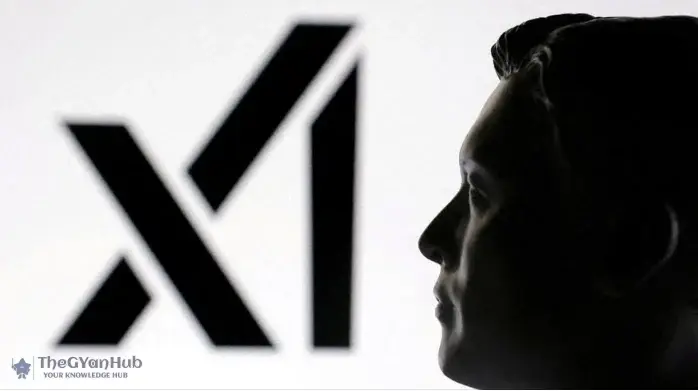
Aman Gottumukkala, an Indian-origin tech expert, is set to join Elon Musk's xAI team, aiming to challenge Claude in the AI landscape. This collaboration highlights the growing influence of diverse talent in the tech industry.

March 15, 2026
Dr. Jitendra Singh announces a transformative phase in India's development driven by technology, emphasizing innovation and digital infrastructure as key components for future growth.

I’m a passionate writer who loves exploring ideas, sharing stories, and connecting with readers through meaningful content.I’m dedicated to sharing insights and stories that make readers think, feel, and discover something new.