UK's Move to Ban 'Nudify' Apps: What India's Laws Say About AI-Generated Deepfakes
3 min readArtificial Intelligence

With the advent of artificial intelligence, the creation of deepfakes has become increasingly sophisticated. These AI-generated videos and images can manipulate reality, making it difficult to distinguish between what is real and what is fake. As technology advances, so does the potential for misuse, leading to significant ethical and legal challenges worldwide.
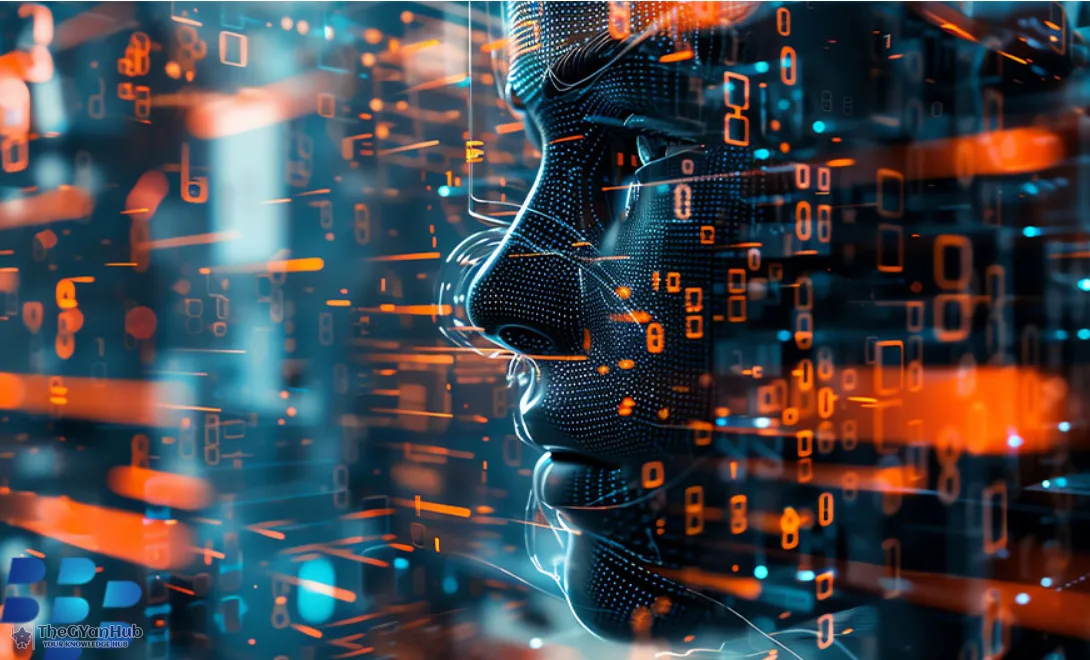
Recently, the UK has taken a firm stance against 'nudify' apps, which use AI to create fake nude images of individuals without their consent. The government is considering a ban on such applications, citing privacy violations and potential harm to individuals. This move is part of a broader effort to regulate AI technologies and protect citizens from digital exploitation.
According to a report by The Indian Express, the UK government is working on legislation that would criminalize the use of these apps. This legislative effort highlights the growing concern over the misuse of AI in creating deepfakes, which can have devastating effects on victims.
In contrast, India's legal framework regarding AI-generated deepfakes is still in its nascent stages. While there are laws addressing cybercrime and privacy, specific regulations targeting deepfakes are lacking. The Information Technology Act, 2000, provides some legal recourse against cyber offenses, but it does not explicitly cover deepfakes.
Legal experts in India have called for more comprehensive laws to address the challenges posed by AI technologies. The lack of specific legislation leaves victims with limited options for legal redress, highlighting the need for a robust legal framework to combat the misuse of AI.

The potential for harm from AI-generated deepfakes extends beyond individual privacy violations. These technologies can be used to spread misinformation, influence public opinion, and even threaten national security. As such, governments worldwide are grappling with the need to balance technological innovation with the protection of citizens' rights.
In India, the debate continues over how best to regulate AI technologies without stifling innovation. Policymakers are urged to consider the broader implications of AI and develop a legal framework that addresses both current and future challenges.
Globally, efforts to combat deepfakes are gaining momentum. Countries like the United States and Australia have introduced legislation aimed at curbing the spread of deepfakes, while international organizations are calling for collaborative approaches to tackle the issue.
As the UK moves to ban 'nudify' apps, it sets a precedent for other nations to follow. The international community must work together to develop standards and regulations that address the ethical and legal challenges posed by AI-generated content.

The UK's decision to ban 'nudify' apps underscores the urgent need for comprehensive legal frameworks to address the challenges posed by AI-generated deepfakes. As India grapples with its own legal landscape, the importance of protecting citizens from digital exploitation cannot be overstated. By learning from global efforts, India can develop effective strategies to combat the misuse of AI technologies.
May 11, 2026
On National Technology Day, a striking trend emerges as India purchases an AI course every three minutes. This article explores whether this investment in AI education is truly yielding benefits.

April 28, 2026
The viral ChatGPT palm reader meme has ignited concerns about privacy, with many fearing that the CIA may have access to their fingerprints. This article explores the origins of the meme and the underlying anxieties it reflects.

April 27, 2026
OpenAI is venturing into the smartphone market with an innovative AI device that boasts agentic capabilities, posing a significant challenge to industry giants like Apple and Samsung. This article explores the potential impact of this groundbreaking technology.

I’m a passionate writer who loves exploring ideas, sharing stories, and connecting with readers through meaningful content.I’m dedicated to sharing insights and stories that make readers think, feel, and discover something new.