A New Era in Aadhaar Security Against Deepfakes Is Unveiled by UIDAI with SITAA
2 min readWorld News
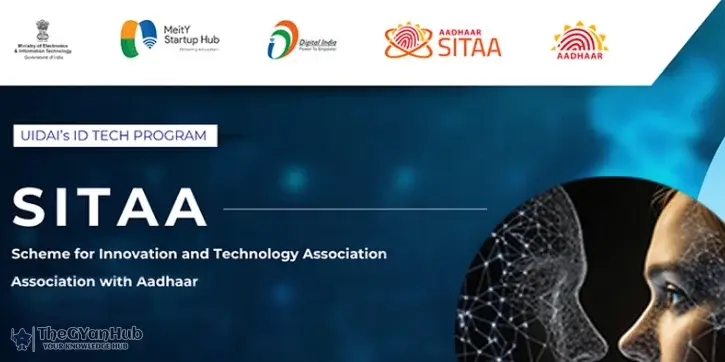
Secure Identity Technology for Aadhaar Authentication (SITAA), a ground-breaking initiative to strengthen the security of Aadhaar authentication procedures, was recently introduced by the Unique Identification Authority of India (UIDAI). The increasing danger of deepfakes, which could compromise digital identity verification systems, prompted this action.

Digital security is seriously threatened by deepfakes, which use artificial intelligence to produce realistic-looking phony photos and videos. Sensitive information may be accessed without authorization by using these advanced forgeries to pose as real people. Strong countermeasures are required as the risk of abuse rises with the accessibility of the technology underlying deepfakes.
During the Aadhaar authentication process, SITAA uses sophisticated algorithms and machine learning techniques to identify and block deepfake attempts. SITAA can efficiently distinguish between authentic and manipulated inputs by examining patterns and irregularities in biometric data, guaranteeing that only valid authentication requests are handled.
An important step in strengthening the security framework of India's unique identification system, Aadhaar, is the implementation of SITAA. With more than a billion citizens enrolled, the reliability of Aadhaar authentication is essential to preserving confidence in online transactions and public services. By protecting personal information from unwanted access, SITAA's implementation is anticipated to drastically lower the risk of identity fraud.
In addition to enhancing Aadhaar's security, the introduction of SITAA establishes a standard for other digital identity systems across the globe. Strong security measures are essential as governments and organizations depend more and more on digital identification. The success of SITAA may encourage comparable projects around the world, resulting in a more secure digital environment.
To sum up, the introduction of SITAA by the UIDAI marks a major breakthrough in the battle against digital identity fraud and deepfakes. SITAA improves the security of Aadhaar authentication by utilizing state-of-the-art technology, guaranteeing the preservation of private data. Initiatives like SITAA are crucial to preserving the integrity of digital identity systems as threats to them continue to change.

May 11, 2026
Rahul Khona has made a significant return to Starbucks India as the Chief Technology Officer, bringing a wealth of experience to enhance the brand's technological advancements.

May 10, 2026
This article delves into the intricate dynamics of the coalition led by Vijay, highlighting the pivotal role played by the DMK amidst ongoing political maneuvers in Tamil Nadu.

April 29, 2026
Amazon is leveraging artificial intelligence to streamline its hiring process in anticipation of the upcoming festival rush. The company has also introduced a new AI design philosophy to enhance its operational efficiency.

I’m a passionate writer who loves exploring ideas, sharing stories, and connecting with readers through meaningful content.I’m dedicated to sharing insights and stories that make readers think, feel, and discover something new.