TikTok Maker's AI Phone Faces Privacy Concerns in China
3 min readTechnology
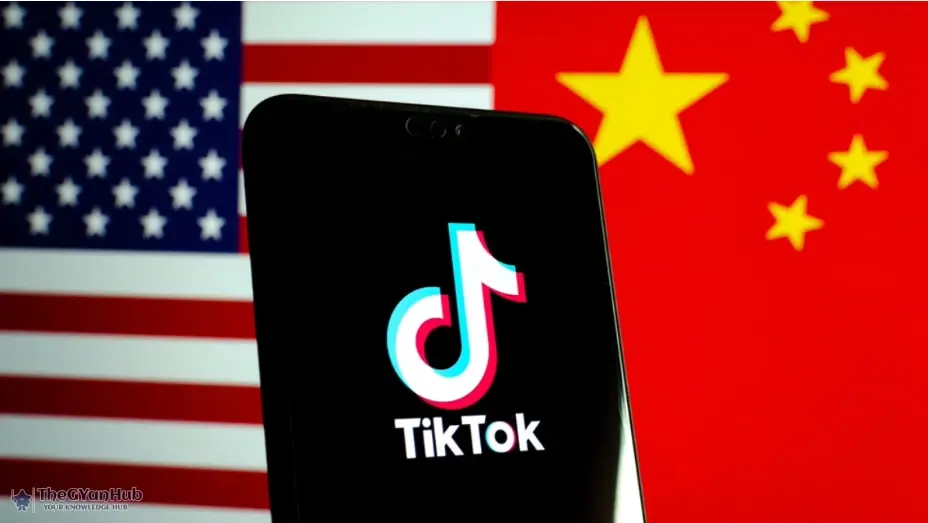
In a bold move, the creator of TikTok recently unveiled a fully agentic AI phone in China, promising to revolutionize how users interact with technology. However, the launch has not been without controversy, as privacy concerns have prompted the company to scale back some of the phone's advanced features.
The AI phone, designed to offer unprecedented levels of autonomy and personalization, was initially celebrated for its innovative approach. It aimed to integrate seamlessly into users' lives, learning from their habits and preferences to provide a highly tailored experience. This was seen as a significant leap forward in AI technology, positioning the company at the forefront of the tech industry.
Advanced voice recognition and response capabilities
Personalized content recommendations
Automated task management
Enhanced security features
Despite these promising features, the phone's capabilities raised alarms among privacy advocates and users alike.
Shortly after the phone's release, users began expressing concerns about the extent of data collection and the potential for misuse of personal information. The phone's ability to learn and adapt to user behavior was seen as a double-edged sword, offering convenience at the cost of privacy.

Critics argued that the phone's data collection practices were invasive, with the potential to infringe on users' privacy rights. This led to a public outcry and calls for greater transparency and regulation in the tech industry.
In response to the backlash, the company announced that it would scale back some of the phone's more intrusive features. This included limiting the scope of data collection and enhancing user control over their personal information. The company emphasized its commitment to user privacy and pledged to work closely with regulators to ensure compliance with privacy laws.
Despite these measures, the incident has highlighted the ongoing tension between innovation and privacy in the tech industry. It serves as a reminder of the importance of balancing technological advancement with ethical considerations.
The launch of the AI phone by TikTok's maker in China has sparked a vital conversation about the future of AI technology and privacy. While the phone's capabilities are impressive, they also underscore the need for responsible innovation that prioritizes user privacy and security.
As the tech industry continues to evolve, it will be crucial for companies to navigate these challenges thoughtfully, ensuring that technological progress does not come at the expense of individual rights.
May 5, 2026
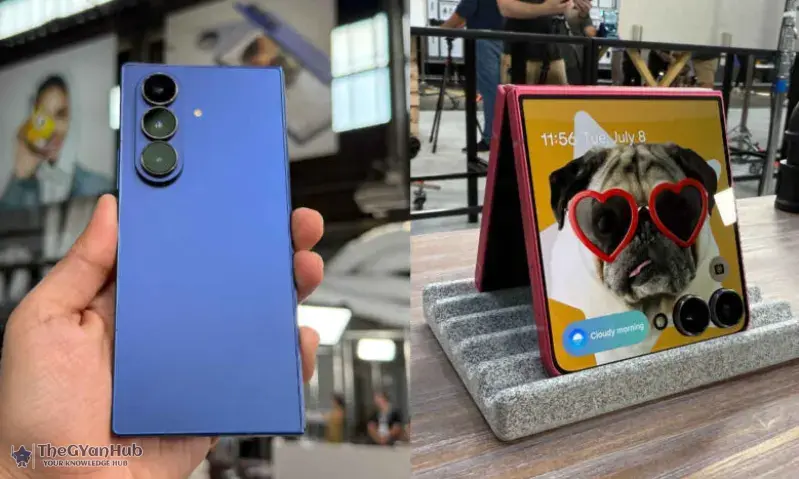
Samsung may have inadvertently revealed details about the upcoming Galaxy Z Fold 8 and a new Wide Fold variant. This leak has generated significant buzz ahead of the official launch.
April 29, 2026
Rumors are swirling about the potential release of the Apple iPhone Ultra and MacBook Ultra. Here's what we can expect from these upcoming devices.
March 20, 2026
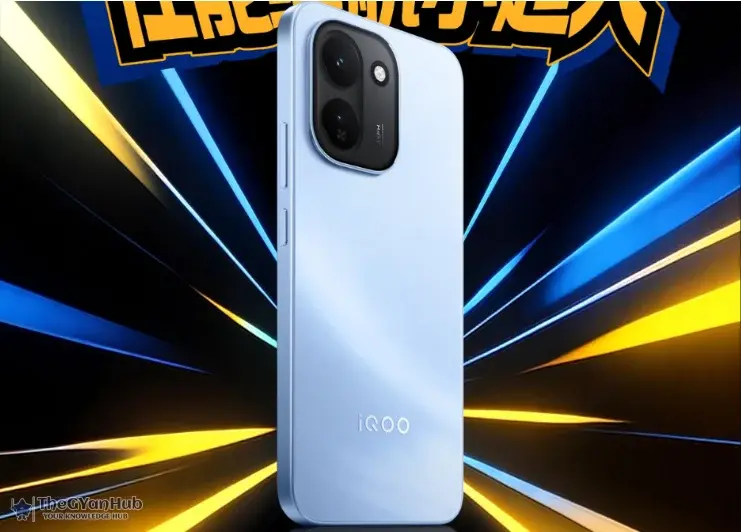
The iQOO Z11 is set to launch on March 26, featuring an impressive 9,020mAh battery and a stunning 165Hz display, promising to redefine smartphone performance.

I’m a passionate writer who loves exploring ideas, sharing stories, and connecting with readers through meaningful content.I’m dedicated to sharing insights and stories that make readers think, feel, and discover something new.