Supreme Court Questions Shaadi.com in Matrimonial Dispute Case
3 min readEducation

In a recent hearing, the Supreme Court of India expressed its concerns regarding the online matrimonial platform Shaadi.com, questioning its role in the growing number of matrimonial disputes. This case has drawn significant attention as it highlights the intersection of technology and traditional marriage practices in India.

The case revolves around a couple whose marriage was facilitated through Shaadi.com. As the relationship deteriorated, the couple found themselves embroiled in a legal battle, raising questions about the responsibilities of online matchmaking services. The Supreme Court's inquiry into this matter reflects a broader concern about how digital platforms influence personal relationships.
During the proceedings, the Supreme Court justices expressed their frustration with the implications of online matrimonial services. They questioned whether platforms like Shaadi.com adequately vet their users and ensure that individuals are entering into marriages with the right intentions. The court's inquiry underscores the need for accountability in the digital matchmaking space.
As technology continues to evolve, so do the methods by which individuals seek partners. Shaadi.com, launched in 1996, has been a pioneer in online matchmaking, catering primarily to the Indian community. However, the rise of such platforms has also led to a surge in disputes, as couples navigate the complexities of relationships formed online.

The Supreme Court's involvement in this case raises significant legal questions about the responsibilities of online matrimonial services. Are they merely facilitators, or do they have a duty to ensure that marriages formed through their platforms are legitimate? This case could set a precedent for how courts view online matchmaking services in the future.
The public response to the Supreme Court's inquiry has been mixed. Many individuals who have successfully used Shaadi.com to find partners argue that the platform has been instrumental in their marital happiness. Others, however, share cautionary tales of relationships that soured, leading to disputes and legal battles.

As the Supreme Court continues to deliberate on this matter, the future of online matrimonial services hangs in the balance. Will there be stricter regulations imposed on platforms like Shaadi.com? Or will the court find that these services are simply tools for individuals to connect? The outcome of this case could reshape the landscape of online matchmaking in India.
The Supreme Court's questioning of Shaadi.com in the context of matrimonial disputes highlights the complexities of modern relationships. As technology continues to play a significant role in how people meet and marry, it is crucial for both users and service providers to navigate these waters carefully. The court's decision could have lasting implications for the future of online matchmaking.


March 19, 2026
Gorilla Technology has partnered with Yotta to deploy over 5,000 GPUs in India, marking a significant step in enhancing AI infrastructure in the region. This collaboration aims to boost technological advancements and support various industries.

March 16, 2026
Aman Gottumukkala, an Indian-origin tech expert, is set to join Elon Musk's xAI team, aiming to challenge Claude in the AI landscape. This collaboration highlights the growing influence of diverse talent in the tech industry.
March 15, 2026
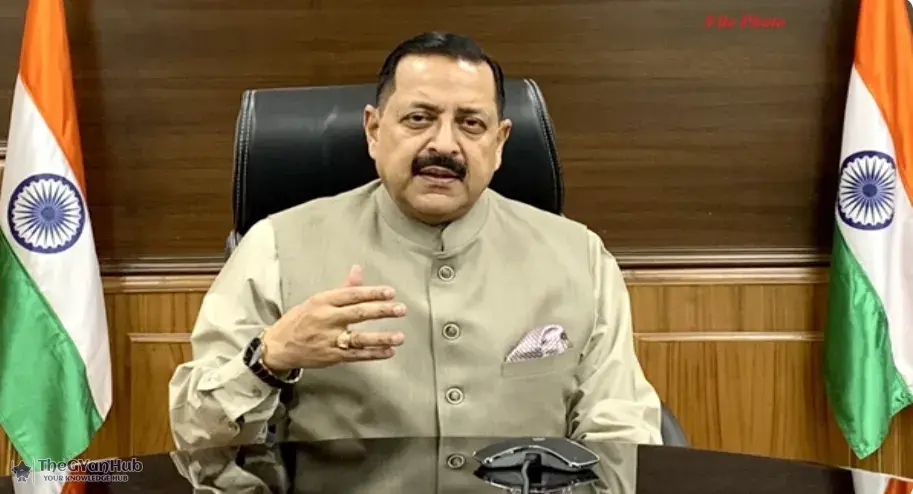
Dr. Jitendra Singh announces a transformative phase in India's development driven by technology, emphasizing innovation and digital infrastructure as key components for future growth.

I’m a passionate writer who loves exploring ideas, sharing stories, and connecting with readers through meaningful content.I’m dedicated to sharing insights and stories that make readers think, feel, and discover something new.