Silicon Sovereignty: How India's Semiconductor Mission is Redefining Global Tech Dynamics
3 min readArtificial Intelligence
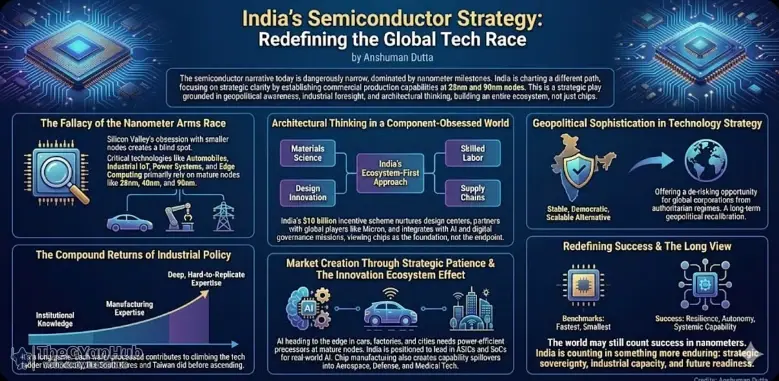
The semiconductor industry is at the heart of modern technology, powering everything from smartphones to advanced computing systems. In recent years, India has emerged as a potential hub for semiconductor manufacturing, driven by its ambitious Semiconductor Mission. This initiative aims to bolster India's position in the global tech map, promoting self-reliance and innovation.
As global supply chains faced disruptions during the pandemic, the importance of semiconductor sovereignty became evident. Countries realized that reliance on a few dominant players could jeopardize their technological advancements and national security. India, with its vast talent pool and growing tech ecosystem, is poised to fill this gap.
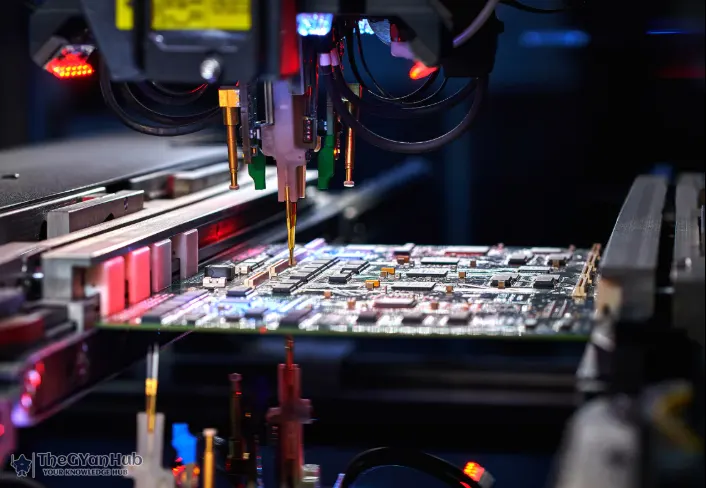
Despite its potential, India faces several challenges in establishing a robust semiconductor manufacturing ecosystem. These include:
High initial investment costs
Lack of advanced manufacturing facilities
Need for skilled workforce
Competition from established semiconductor giants
The Indian government has laid out a comprehensive plan to enhance its semiconductor capabilities. The key objectives of the Semiconductor Mission include:
Attracting foreign investment in semiconductor manufacturing
Developing indigenous technology and expertise
Creating a conducive environment for research and development
Establishing partnerships with global tech companies
To kickstart this mission, the Indian government has announced various incentives for companies willing to invest in semiconductor manufacturing. These include tax breaks, subsidies, and streamlined regulatory processes. Such measures aim to attract both domestic and international players to set up manufacturing units in India.
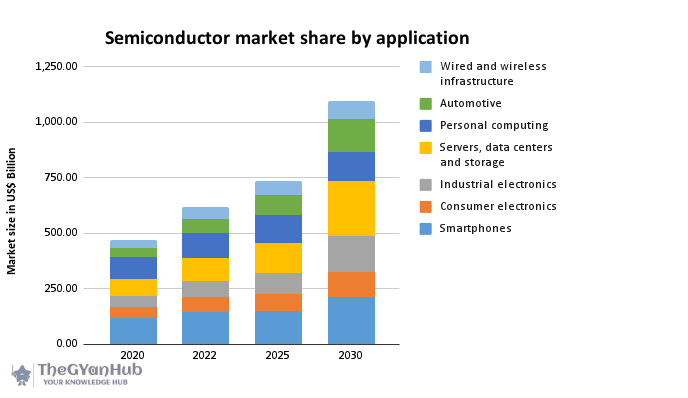
India's push for semiconductor sovereignty has far-reaching implications for the global tech landscape. As India becomes a significant player in semiconductor manufacturing, it could:
Reduce dependence on traditional semiconductor powerhouses like Taiwan and South Korea
Encourage innovation and competition in the global market
Enhance India's geopolitical standing
India's Semiconductor Mission is not just about self-sufficiency; it also emphasizes collaboration. The Indian government is actively seeking partnerships with leading tech firms and research institutions worldwide. These collaborations will facilitate knowledge transfer and help India leapfrog in semiconductor technology.
India's Semiconductor Mission is a bold step towards achieving technological independence and reshaping the global tech map. By investing in semiconductor manufacturing, India aims to secure its place in the future of technology. As the world watches closely, the success of this initiative could redefine global supply chains and technology dynamics.
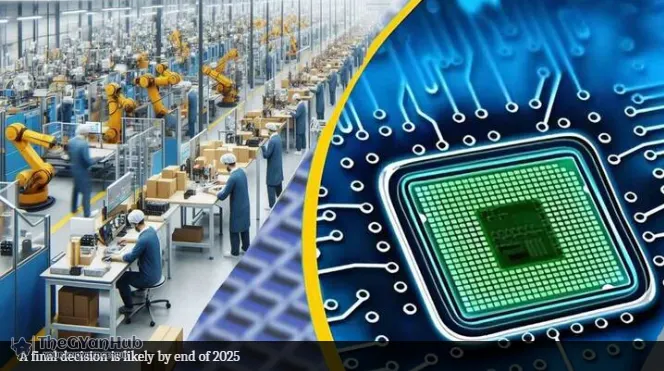
This image depicts a semiconductor manufacturing facility, showcasing the advanced technology involved in the production process.

February 27, 2026
The WNS chief reassures that artificial intelligence will not eliminate jobs in India's outsourcing sector, emphasizing the potential for AI to enhance productivity and create new opportunities.

February 26, 2026
Salesforce's CEO has confidently stated that the so-called 'SaaSpocalypse' will not spell doom for SaaS. Instead, the rise of AI agents is set to enhance the SaaS landscape significantly.

February 24, 2026
India's technology revenue is expected to soar to $315 billion, with AI contributing a modest 3-4%. This article explores the implications of these figures for the tech landscape in India.

I’m a passionate writer who loves exploring ideas, sharing stories, and connecting with readers through meaningful content.I’m dedicated to sharing insights and stories that make readers think, feel, and discover something new.