Shaping India's Mobility Future: Insights from NITI Aayog's V K Saraswat
3 min readWorld News
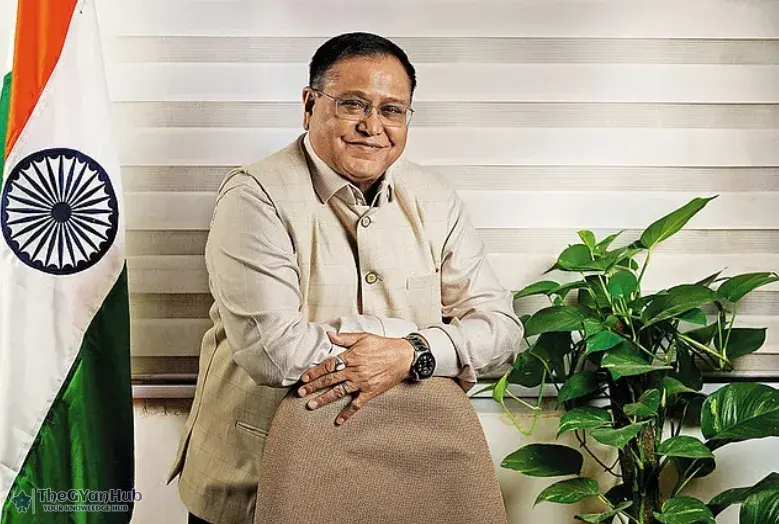
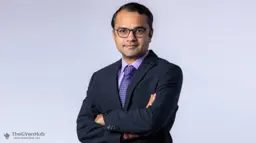
As India stands on the brink of a transportation revolution, the role of technology, policy, and human behavior is becoming increasingly critical. V K Saraswat, a member of NITI Aayog, recently shared his insights on how these factors will shape the future of mobility in the country. This article delves into the key points raised by Saraswat and explores the implications for India's transportation landscape.
Technology is at the forefront of transforming mobility in India. From electric vehicles (EVs) to smart traffic management systems, advancements are paving the way for a more efficient transportation network. Saraswat emphasized the importance of integrating cutting-edge technologies to enhance the user experience and reduce congestion in urban areas.
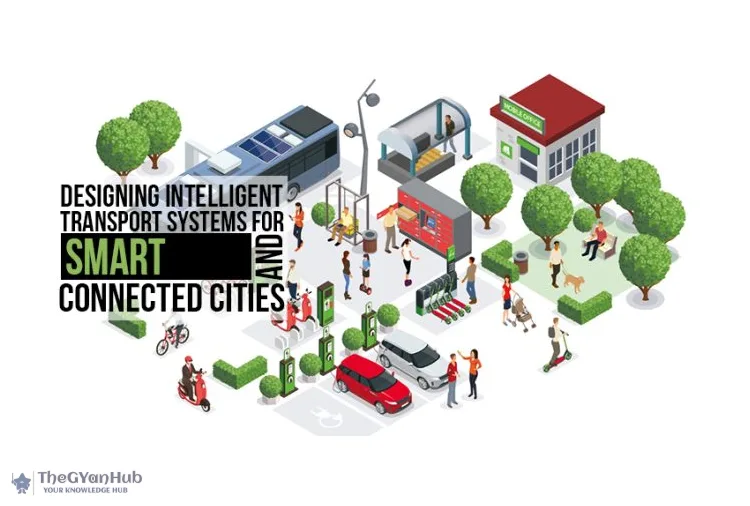
For instance, the adoption of electric vehicles is not just about reducing emissions; it also involves creating a robust charging infrastructure. This requires collaboration between government bodies and private enterprises to ensure that EVs are accessible to all. Moreover, the implementation of intelligent transport systems can significantly improve traffic flow and safety.
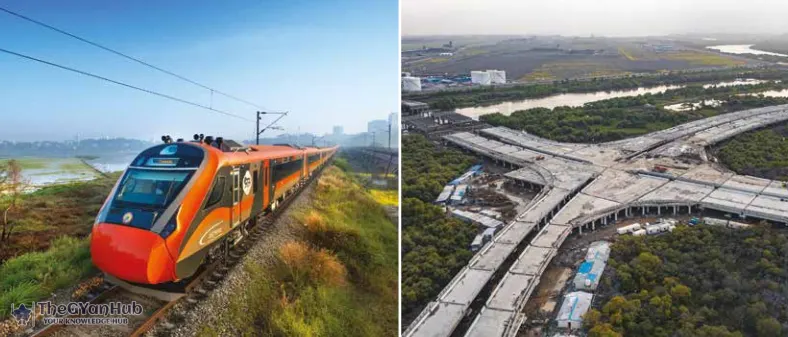
Alongside technology, effective policy frameworks are essential for fostering innovation in mobility. Saraswat pointed out that government policies must adapt to the rapidly changing landscape of transportation. This includes incentivizing the use of sustainable transport options and regulating emerging technologies.
One of the key policies discussed was the National Electric Mobility Mission Plan, which aims to promote electric vehicles through subsidies and incentives. Such initiatives not only encourage consumers to switch to greener options but also stimulate local manufacturing and job creation.
Understanding human behavior is crucial in designing transportation systems that meet the needs of the population. Saraswat highlighted that public acceptance of new technologies and policies is vital for their success. This requires extensive outreach and education to inform citizens about the benefits of sustainable mobility options.
Additionally, urban planning must consider the behavioral patterns of commuters. For example, integrating public transport with last-mile connectivity solutions can encourage more people to use public transit, thereby reducing reliance on personal vehicles.
Despite the promising outlook, several challenges remain in realizing the vision for India's mobility future. Infrastructure development, funding, and public awareness are critical areas that need attention. Saraswat acknowledged that collaboration between various stakeholders, including government, industry, and civil society, is essential to overcome these hurdles.
Furthermore, addressing the disparities in transportation access across different regions of India is crucial. Ensuring that rural areas are not left behind in the mobility revolution is a challenge that policymakers must tackle head-on.
In conclusion, the future of mobility in India hinges on the seamless integration of technology, effective policy frameworks, and an understanding of human behavior. As V K Saraswat outlined, a collaborative approach will be key to navigating the complexities of this transformation. By prioritizing sustainability and inclusivity, India can pave the way for a more efficient and equitable transportation system.
May 11, 2026
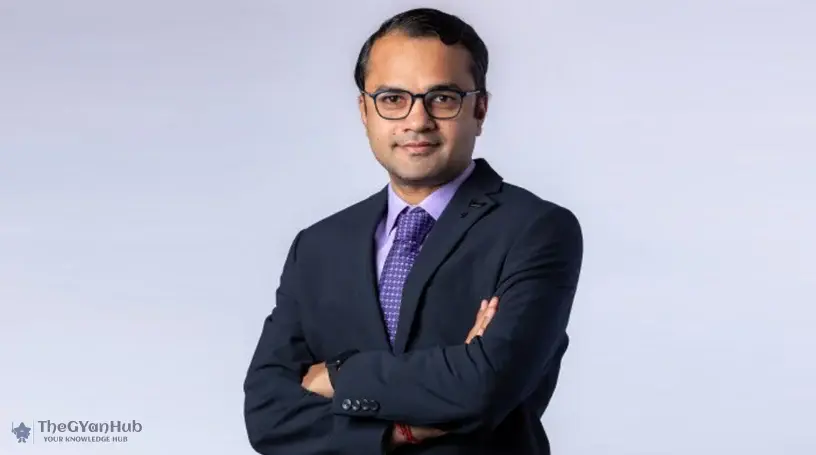
Rahul Khona has made a significant return to Starbucks India as the Chief Technology Officer, bringing a wealth of experience to enhance the brand's technological advancements.
May 10, 2026
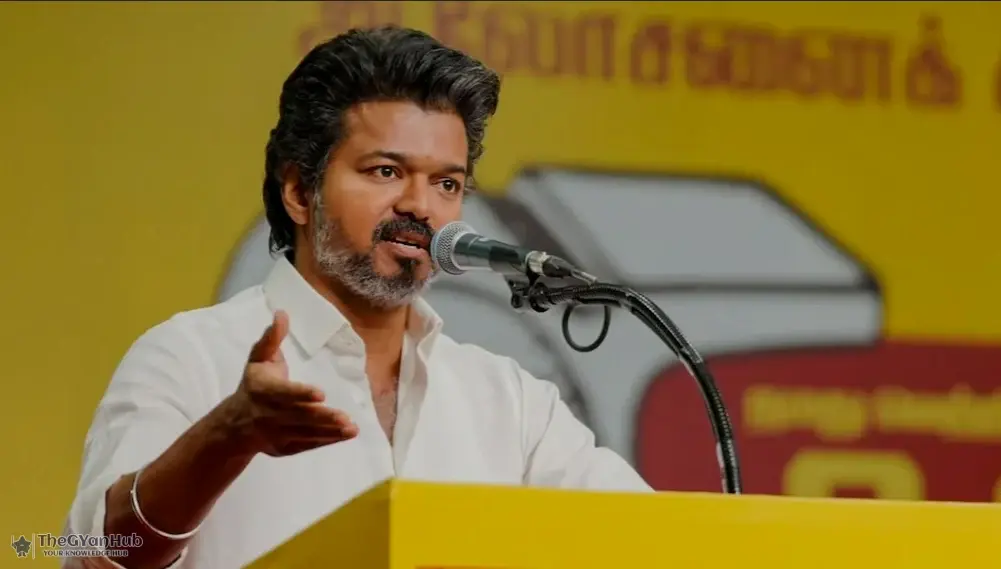
This article delves into the intricate dynamics of the coalition led by Vijay, highlighting the pivotal role played by the DMK amidst ongoing political maneuvers in Tamil Nadu.
April 29, 2026
Amazon is leveraging artificial intelligence to streamline its hiring process in anticipation of the upcoming festival rush. The company has also introduced a new AI design philosophy to enhance its operational efficiency.

I’m a passionate writer who loves exploring ideas, sharing stories, and connecting with readers through meaningful content.I’m dedicated to sharing insights and stories that make readers think, feel, and discover something new.