Nirmala Sitharaman Unveils Rs 40,000 Crore Initiative for Semiconductor Development
3 min readEducation
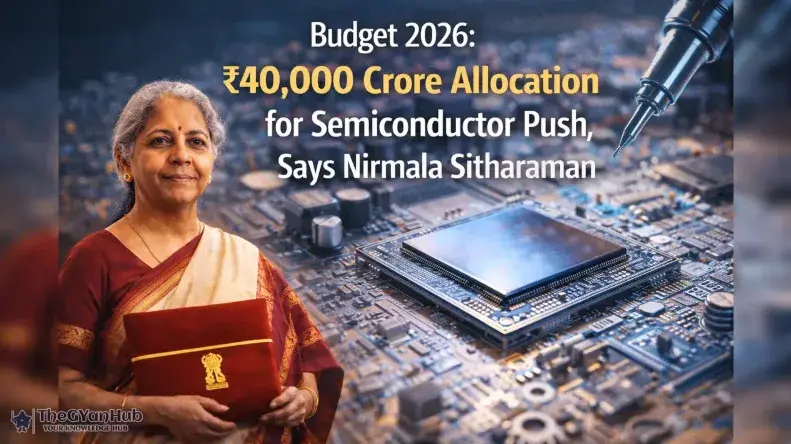
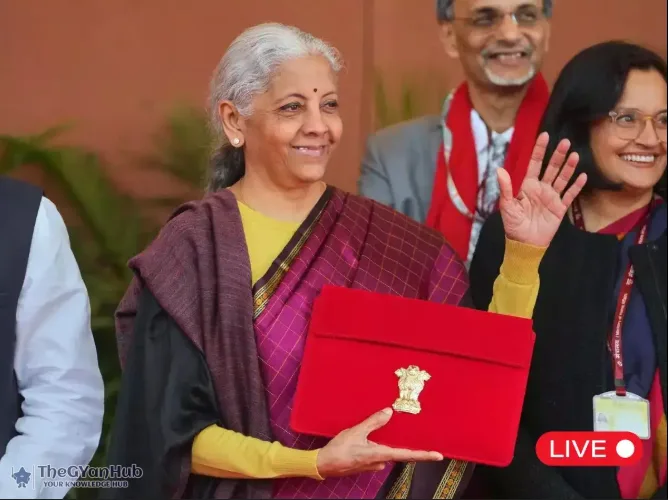
In a landmark announcement during the presentation of the Union Budget 2026, Finance Minister Nirmala Sitharaman revealed a substantial allocation of Rs 40,000 crore aimed at boosting the semiconductor industry in India. This initiative is expected to play a crucial role in enhancing the country's technological capabilities and reducing dependency on foreign semiconductor imports.
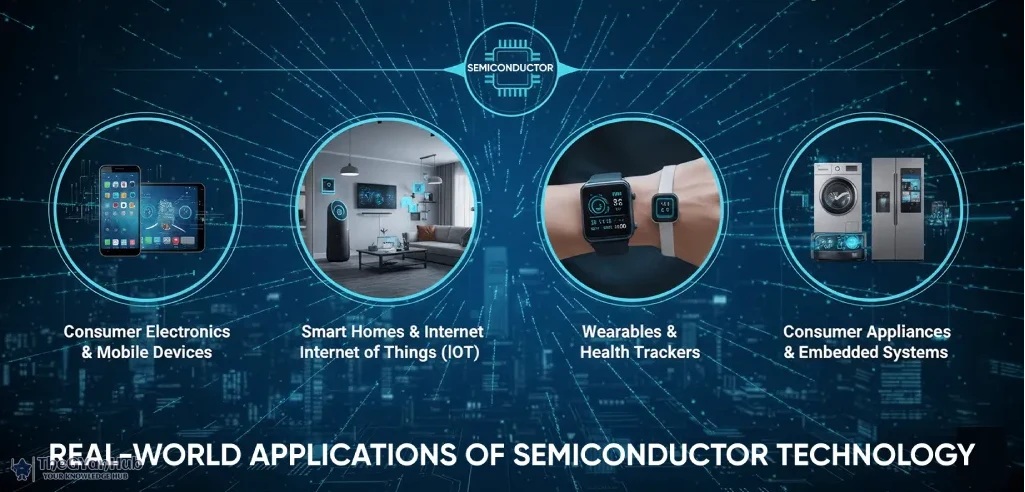
Semiconductors are the backbone of modern electronics, powering everything from smartphones and computers to cars and industrial machinery. As the demand for electronic devices continues to surge, the need for a robust semiconductor manufacturing ecosystem has never been more critical.
India has been striving to establish itself as a global hub for semiconductor manufacturing. The government's recent push is a strategic move to attract investments and foster innovation in this vital sector.
Investment Allocation: The Rs 40,000 crore outlay is designed to support various initiatives within the semiconductor ecosystem, including research and development, manufacturing, and skill development.
Partnerships with Industry: The government plans to collaborate with leading technology firms and research institutions to enhance semiconductor production capabilities.
Job Creation: This initiative is expected to create thousands of jobs in the semiconductor sector, contributing to economic growth and technological advancement.
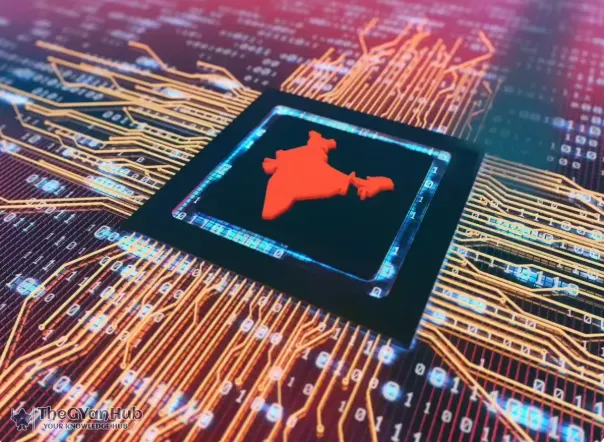
The global semiconductor industry has been experiencing unprecedented growth, driven by advancements in technology and increasing demand for electronic devices. Major players in the industry, such as the United States, Taiwan, and South Korea, have established themselves as leaders in semiconductor manufacturing.
India's entry into this competitive landscape could reshape the global supply chain, providing an alternative source of semiconductors and reducing reliance on imports. The government's proactive measures are aimed at positioning India as a key player in the global semiconductor market.
While the announcement is promising, several challenges remain. Establishing a semiconductor manufacturing ecosystem requires significant investment in infrastructure, technology, and skilled workforce. Additionally, attracting global players to invest in India will necessitate a conducive regulatory environment and incentives.
Moreover, the semiconductor industry is characterized by rapid technological changes, and India must keep pace with global advancements to remain competitive.
The Rs 40,000 crore allocation for semiconductors marks a pivotal moment for India's technological ambitions. By investing in this critical sector, the government aims to foster innovation, create jobs, and position India as a significant player in the global semiconductor landscape. As the country embarks on this journey, the success of this initiative will depend on effective execution and collaboration between the government and industry stakeholders.
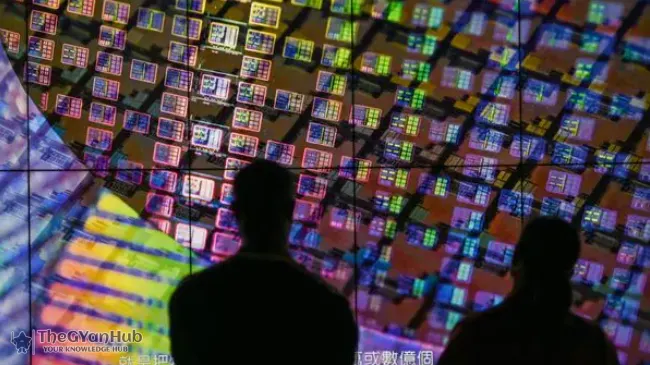
This investment is a step towards building a self-reliant India in technology and electronics.
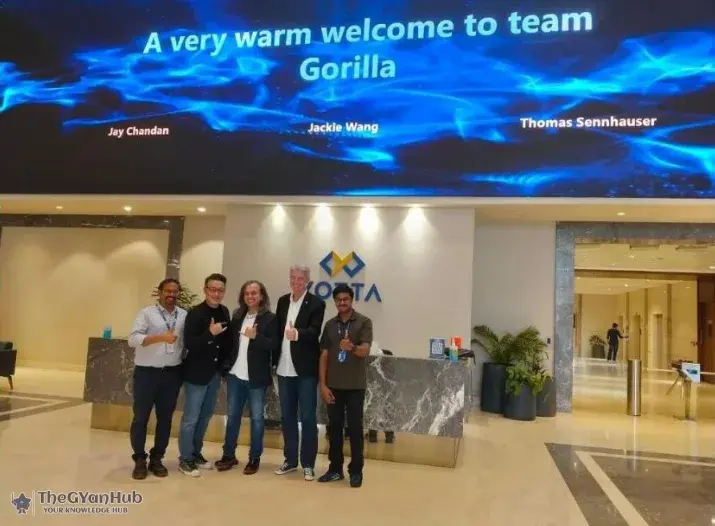
March 19, 2026
Gorilla Technology has partnered with Yotta to deploy over 5,000 GPUs in India, marking a significant step in enhancing AI infrastructure in the region. This collaboration aims to boost technological advancements and support various industries.

March 16, 2026
Aman Gottumukkala, an Indian-origin tech expert, is set to join Elon Musk's xAI team, aiming to challenge Claude in the AI landscape. This collaboration highlights the growing influence of diverse talent in the tech industry.
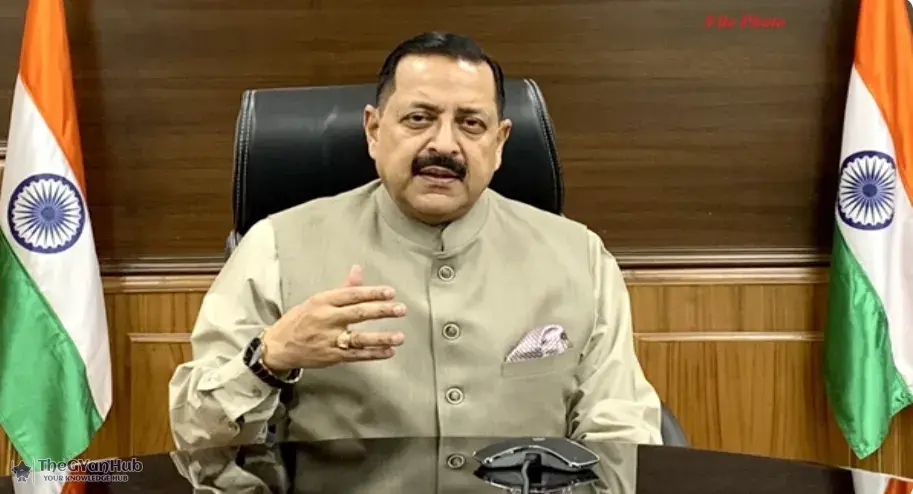
March 15, 2026
Dr. Jitendra Singh announces a transformative phase in India's development driven by technology, emphasizing innovation and digital infrastructure as key components for future growth.

I’m a passionate writer who loves exploring ideas, sharing stories, and connecting with readers through meaningful content.I’m dedicated to sharing insights and stories that make readers think, feel, and discover something new.