NASA's Innovative Strategy to Combat Hazardous Moon Dust for Future Lunar Missions
3 min readScience
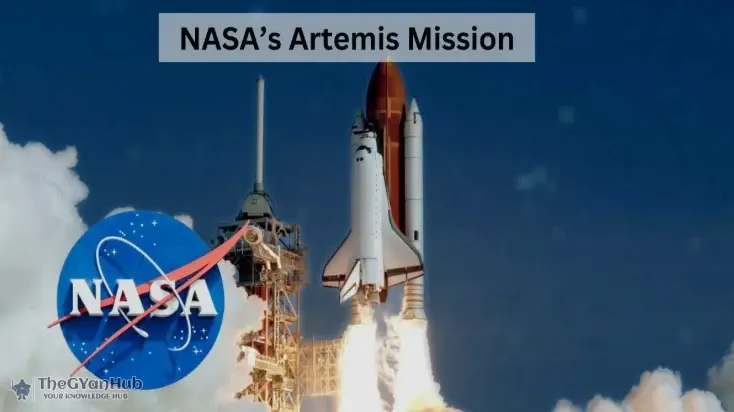
As humanity prepares for a new era of lunar exploration, NASA has recognized the need to address one of the most significant challenges: the sharp and abrasive dust found on the moon's surface. This dust, known as regolith, poses risks not only to astronauts but also to the equipment that will be used during missions. NASA's recent announcement outlines a comprehensive strategy to tackle this issue, ensuring that future lunar missions can proceed safely and effectively.

Lunar regolith is composed of tiny, sharp particles that can easily damage spacesuits and equipment. Unlike the soft, sandy dust found on Earth, moon dust is jagged and can create a range of problems, from equipment malfunction to potential injuries for astronauts. NASA's research has shown that this dust can cling to surfaces, making it difficult to remove and posing a risk of contamination.
The plan unveiled by NASA includes several innovative approaches to mitigate the effects of lunar dust:
Advanced Materials: Developing new materials for spacesuits and equipment that can resist abrasion and prevent dust accumulation.
Dust Removal Technologies: Implementing technologies that can effectively remove dust from surfaces, ensuring that equipment remains operational.
Robotic Assistance: Utilizing robots to perform maintenance tasks, reducing the exposure of astronauts to hazardous dust.
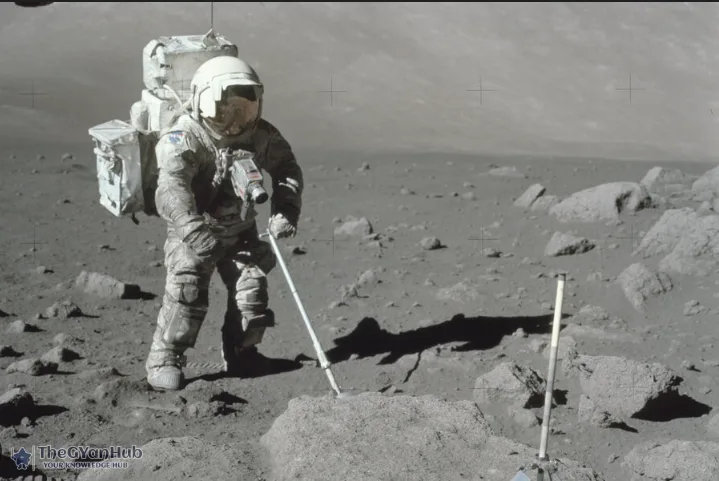
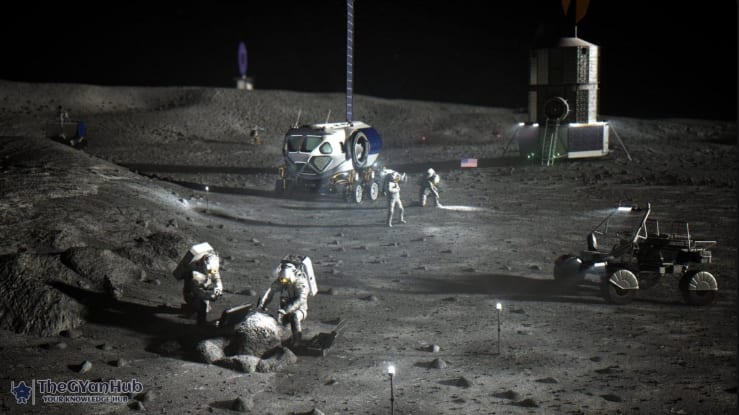
This initiative is particularly timely as NASA prepares for its Artemis program, which aims to return humans to the moon by the mid-2020s. The success of these missions hinges on the ability to manage the challenges posed by lunar dust. By addressing these issues now, NASA is taking proactive steps to ensure the safety and effectiveness of its crewed missions.
NASA is not tackling this challenge alone. The agency is collaborating with industry experts and academic institutions to develop solutions that can be implemented in the upcoming lunar missions. This collaborative approach will leverage the latest advancements in technology and materials science to create effective strategies for dust management.
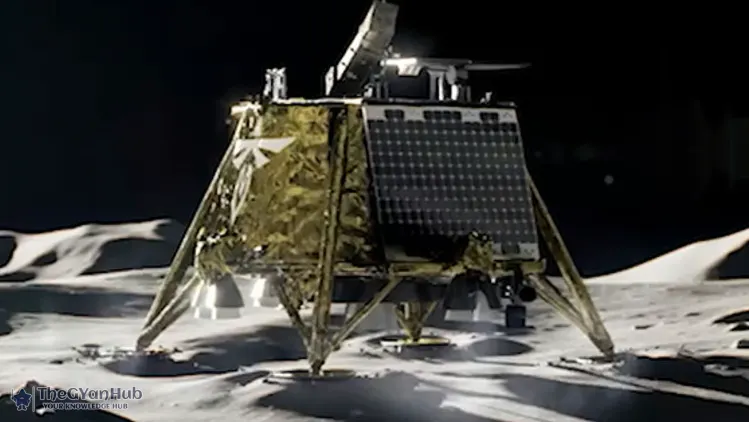
NASA's unveiling of its plan to address sharp moon dust is a significant step forward in preparing for future lunar exploration. By focusing on innovative materials, advanced technologies, and collaboration, NASA aims to ensure that astronauts can safely navigate the lunar surface. As we look forward to the next chapter in space exploration, the agency's commitment to overcoming these challenges is a testament to its dedication to human spaceflight.
March 21, 2026
India is leveraging advanced space technology to enhance military communication and improve soldier healthcare. This article explores the innovative strategies being implemented.

March 10, 2026
Andhra Pradesh (AP) is setting a benchmark in pollution management through innovative technology solutions. This article explores AP's initiatives and their impact on environmental sustainability.

March 8, 2026
Chennai is set to witness significant developments with a new bridge plan, advancements in IIT's space technology, and a health initiative from the High Court. This article explores these key updates shaping the city's future.

I’m a passionate writer who loves exploring ideas, sharing stories, and connecting with readers through meaningful content.I’m dedicated to sharing insights and stories that make readers think, feel, and discover something new.