Microsoft's Bold Move: Empowering All Employees to Harness AI for Coding
3 min readArtificial Intelligence

In a groundbreaking shift, Microsoft is urging its workforce to embrace artificial intelligence (AI) in their daily tasks, particularly in coding. This initiative is not limited to software engineers; it extends to almost every employee within the organization. The tech giant believes that by equipping its entire workforce with AI tools, it can foster a culture of innovation and efficiency.
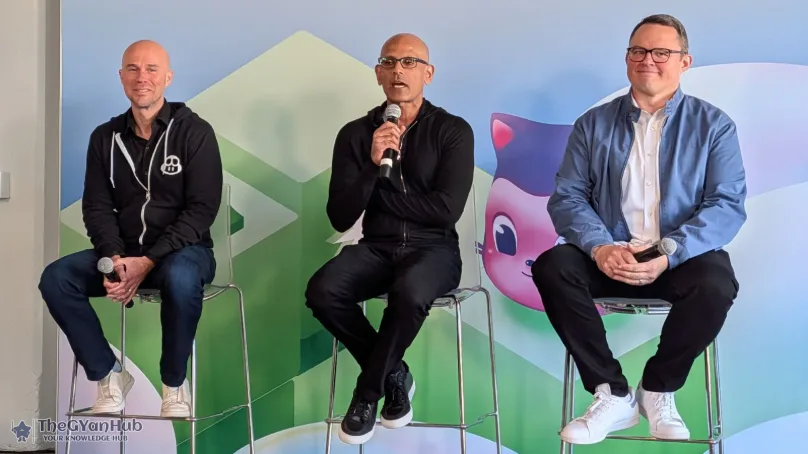
Microsoft's vision is clear: to democratize coding and make it accessible to everyone, regardless of their technical background. This approach is designed to break down the barriers that traditionally separate developers from non-developers. By integrating AI into various roles, Microsoft aims to enhance productivity and creativity across all departments.
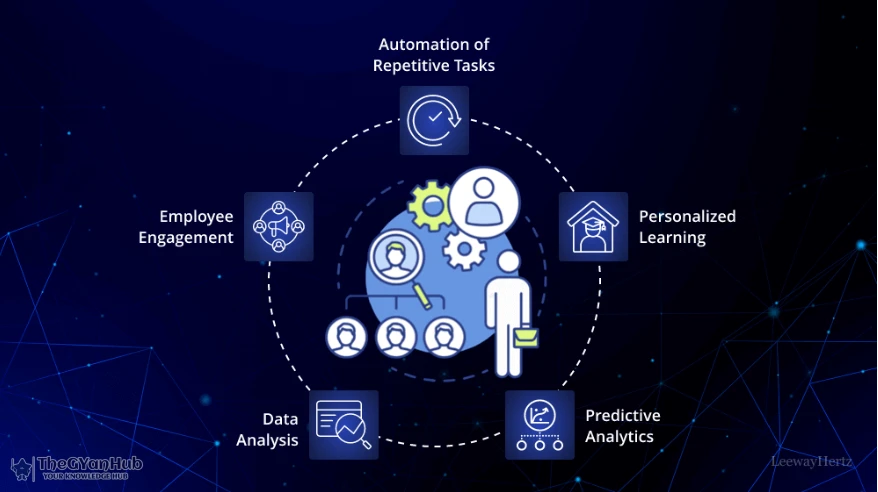
AI has the potential to transform how work is done. With tools that can assist in coding, employees can automate repetitive tasks, generate code snippets, and even troubleshoot issues. This not only saves time but also allows employees to focus on more strategic aspects of their roles. As AI continues to evolve, its applications in the workplace are becoming increasingly diverse.
To support this initiative, Microsoft is investing in training programs and resources that will help employees learn how to use AI effectively. These programs will include workshops, online courses, and hands-on projects that encourage experimentation and learning. By providing these resources, Microsoft aims to ensure that all employees feel confident in their ability to leverage AI tools.
Employees across various departments are already beginning to see the benefits of using AI in their work. For instance, marketing teams can use AI to analyze customer data and generate insights, while HR departments can automate administrative tasks. This widespread application of AI not only streamlines processes but also enhances decision-making capabilities.
While the initiative has many potential benefits, there are also challenges to consider. Not all employees may feel comfortable using AI tools, and there may be a learning curve involved. Microsoft is aware of these challenges and is committed to providing ongoing support and resources to help employees adapt.
This initiative marks a significant shift in how Microsoft envisions the future of work. By empowering all employees to engage with AI, the company is positioning itself as a leader in innovation. As more organizations look to integrate AI into their operations, Microsoft's approach may serve as a model for others to follow.
Microsoft's push for all employees to utilize AI for coding is a bold and forward-thinking strategy. By breaking down traditional barriers and providing the necessary training and resources, the company is paving the way for a more innovative and efficient workplace. As AI continues to evolve, it will be exciting to see how this initiative shapes the future of work at Microsoft and beyond.

May 11, 2026
On National Technology Day, a striking trend emerges as India purchases an AI course every three minutes. This article explores whether this investment in AI education is truly yielding benefits.

April 28, 2026
The viral ChatGPT palm reader meme has ignited concerns about privacy, with many fearing that the CIA may have access to their fingerprints. This article explores the origins of the meme and the underlying anxieties it reflects.

April 27, 2026
OpenAI is venturing into the smartphone market with an innovative AI device that boasts agentic capabilities, posing a significant challenge to industry giants like Apple and Samsung. This article explores the potential impact of this groundbreaking technology.

I’m a passionate writer who loves exploring ideas, sharing stories, and connecting with readers through meaningful content.I’m dedicated to sharing insights and stories that make readers think, feel, and discover something new.