Jobs at Risk: Insights from IBM CEO Arvind Krishna on AI Replacement
3 min readArtificial Intelligence
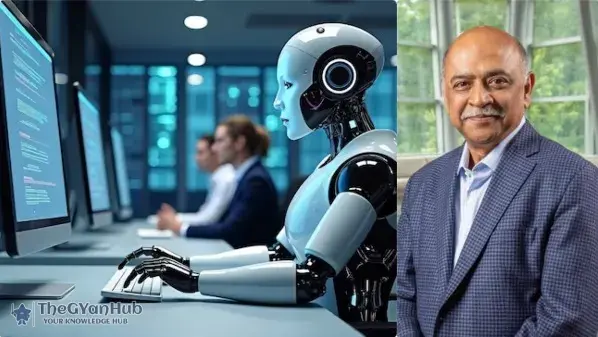
As artificial intelligence (AI) continues to evolve, its impact on the job market is becoming increasingly evident. IBM CEO Arvind Krishna recently shared insights on which jobs are most at risk of being replaced by AI technologies. This article delves into his predictions and the broader implications for the workforce.

The rise of AI has sparked debates about its potential to enhance productivity and efficiency. However, it also raises concerns about job displacement. According to Krishna, certain roles are more susceptible to automation than others. Understanding these roles can help workers prepare for the future.
Krishna identified several job categories that are particularly vulnerable to AI replacement:
Data Entry Clerks: As AI systems become more adept at processing and analyzing data, the need for human data entry clerks may diminish.
Customer Service Representatives: AI chatbots and virtual assistants are increasingly handling customer inquiries, reducing the demand for human representatives.
Manufacturing Jobs: Automation in manufacturing has already led to significant job losses, and this trend is expected to continue.
Retail Cashiers: Self-checkout systems and automated payment solutions are making traditional cashier roles less necessary.
Transportation and Delivery Jobs: With the advent of autonomous vehicles, jobs in transportation may face significant disruption.
While the threat of job loss is real, Krishna emphasizes the importance of reskilling and upskilling. Workers in at-risk jobs should consider acquiring new skills that align with the demands of a changing job market. This proactive approach can help mitigate the impact of AI on employment.
Some industries are already adapting to the rise of AI by integrating it into their operations. For instance, healthcare is leveraging AI for diagnostics and patient management, creating new roles that require a blend of medical knowledge and technical skills. Similarly, the tech industry is witnessing a surge in demand for AI specialists and data scientists.
As AI continues to advance, the job market will inevitably evolve. New roles will emerge, particularly in fields like AI ethics, machine learning, and data analysis. Workers who are willing to embrace change and learn new skills will be better positioned to thrive in this new landscape.
AI's potential to replace certain jobs is a pressing concern, as highlighted by IBM CEO Arvind Krishna. However, by focusing on reskilling and adapting to new technologies, workers can navigate the challenges posed by AI. The future of work will require a mindset of continuous learning and adaptability.

May 11, 2026
On National Technology Day, a striking trend emerges as India purchases an AI course every three minutes. This article explores whether this investment in AI education is truly yielding benefits.

April 28, 2026
The viral ChatGPT palm reader meme has ignited concerns about privacy, with many fearing that the CIA may have access to their fingerprints. This article explores the origins of the meme and the underlying anxieties it reflects.

April 27, 2026
OpenAI is venturing into the smartphone market with an innovative AI device that boasts agentic capabilities, posing a significant challenge to industry giants like Apple and Samsung. This article explores the potential impact of this groundbreaking technology.

I’m a passionate writer who loves exploring ideas, sharing stories, and connecting with readers through meaningful content.I’m dedicated to sharing insights and stories that make readers think, feel, and discover something new.