Jeetu Patel Predicts AI Will Drive 70% of Cisco Products by 2027: A Call for Employee Upskilling
3 min readWorld News

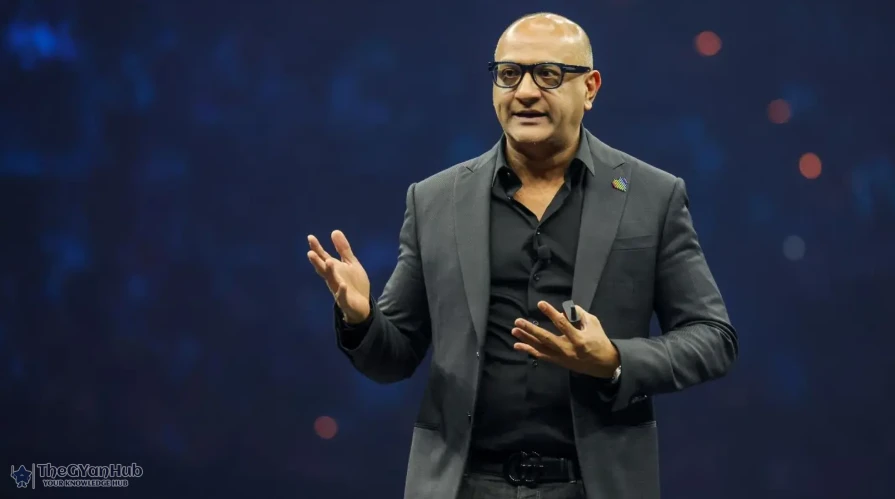
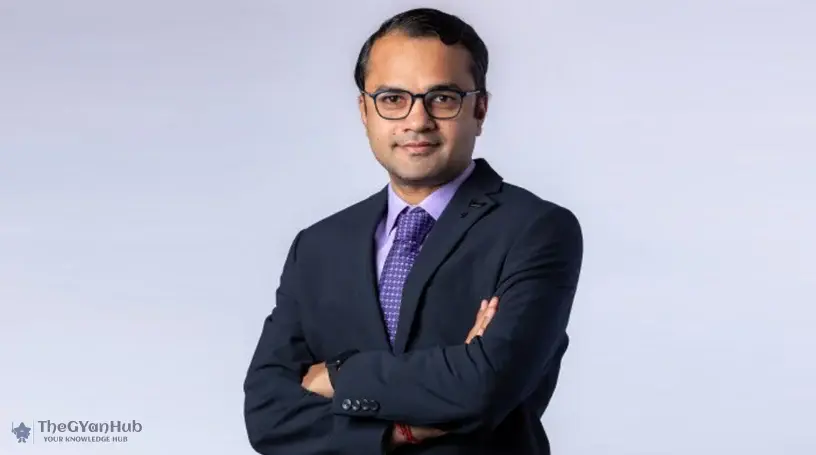
In a recent statement, Jeetu Patel, a prominent executive at Cisco, highlighted the transformative role of artificial intelligence (AI) in shaping the future of technology. By 2027, he predicts that AI will be responsible for developing 70% of Cisco's products. This bold assertion underscores the urgency for employees to upskill and adapt to the rapidly changing technological environment.
Artificial intelligence has already begun to revolutionize various industries, and Cisco is no exception. With advancements in machine learning and automation, AI is poised to enhance product development processes significantly. Patel's vision reflects a broader trend where companies are increasingly relying on AI to streamline operations, improve efficiency, and drive innovation.
Cisco, a leader in networking and cybersecurity solutions, is at the forefront of integrating AI into its products. The company's commitment to leveraging AI technology is evident in its recent initiatives aimed at enhancing customer experiences and optimizing network performance. By automating routine tasks and providing intelligent insights, AI can help Cisco deliver more robust and reliable products.
As AI takes center stage in product development, the need for employees to upskill becomes paramount. Patel emphasizes that the workforce must adapt to these changes to stay relevant in their roles. Upskilling not only enhances individual capabilities but also contributes to the overall growth and competitiveness of the organization.
Data Analysis: Understanding data and its implications is crucial in an AI-driven world.
Machine Learning: Familiarity with machine learning algorithms can empower employees to contribute to AI projects.
Cybersecurity: As AI systems become more prevalent, ensuring their security is vital.
Cloud Computing: Knowledge of cloud technologies is essential for deploying AI solutions effectively.
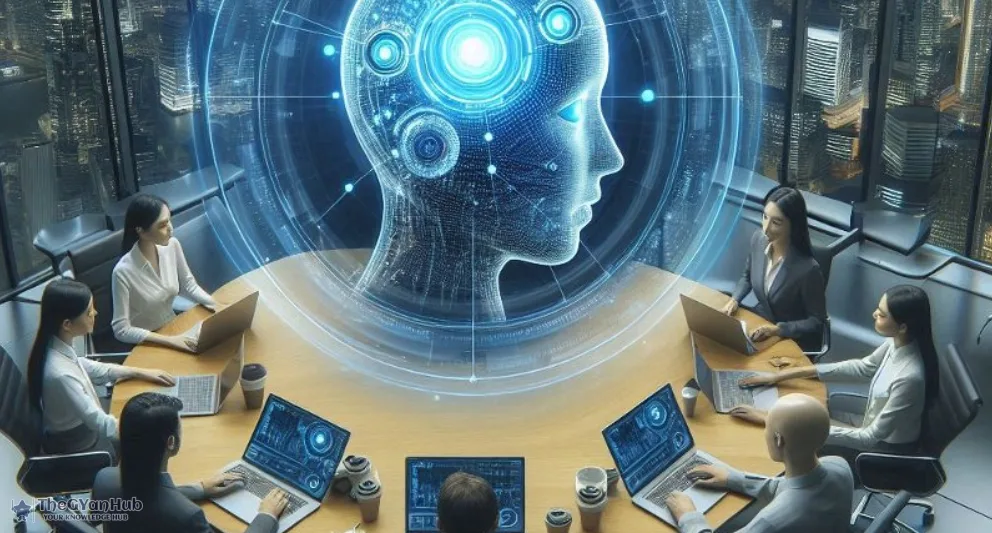
While the potential of AI is immense, there are challenges that organizations like Cisco must navigate. These include ethical considerations, data privacy concerns, and the need for a skilled workforce capable of managing AI technologies. Patel's call for upskilling is not just a response to technological advancements but also a proactive measure to address these challenges.
To effectively upskill employees, Cisco must foster a culture of continuous learning. This involves providing access to training programs, workshops, and resources that empower employees to enhance their skills. By investing in their workforce, companies can ensure they are well-prepared for the future.
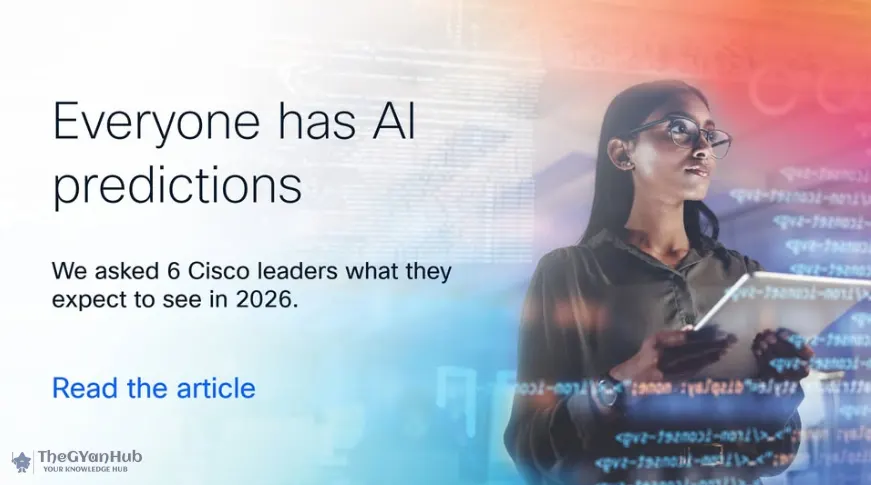
Jeetu Patel's prediction that AI will build 70% of Cisco products by 2027 serves as a wake-up call for employees across the tech industry. As AI continues to reshape the landscape, the importance of upskilling cannot be overstated. By embracing lifelong learning and adapting to new technologies, employees can secure their positions in an increasingly automated world.
May 11, 2026
Rahul Khona has made a significant return to Starbucks India as the Chief Technology Officer, bringing a wealth of experience to enhance the brand's technological advancements.

May 10, 2026
This article delves into the intricate dynamics of the coalition led by Vijay, highlighting the pivotal role played by the DMK amidst ongoing political maneuvers in Tamil Nadu.

April 29, 2026
Amazon is leveraging artificial intelligence to streamline its hiring process in anticipation of the upcoming festival rush. The company has also introduced a new AI design philosophy to enhance its operational efficiency.

I’m a passionate writer who loves exploring ideas, sharing stories, and connecting with readers through meaningful content.I’m dedicated to sharing insights and stories that make readers think, feel, and discover something new.