India's Spectrum Revolution: Unlocking the Future of Wi-Fi
3 min readTechnology

India is witnessing a significant transformation in its telecommunications landscape, particularly with the advent of a spectrum revolution aimed at enhancing Wi-Fi connectivity. This initiative is expected to unlock new avenues for digital communication, making the internet more accessible and efficient for millions of users. As the demand for high-speed internet continues to rise, understanding the implications of this revolution becomes crucial.

With the increasing reliance on digital platforms for work, education, and entertainment, the existing Wi-Fi infrastructure in India is under immense pressure. The current spectrum allocation is insufficient to meet the growing demand, leading to congestion and slower internet speeds. A spectrum revolution is essential to address these challenges and ensure that users can enjoy seamless connectivity.
Insufficient bandwidth leading to slow internet speeds.
High latency affecting real-time applications.
Limited access in rural and underserved areas.
Increased competition for available spectrum.
Spectrum refers to the range of electromagnetic frequencies used for transmitting data wirelessly. In the context of Wi-Fi, it is crucial for enabling devices to communicate over the internet without physical connections. The efficient use of spectrum can significantly enhance the quality and speed of wireless communication.
There are several types of spectrum used for Wi-Fi, including:
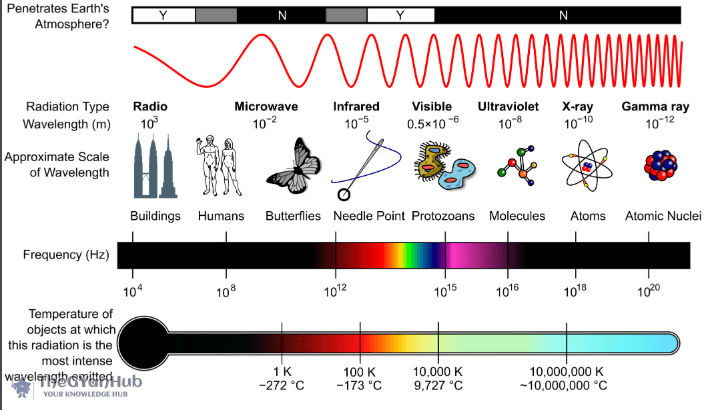
2.4 GHz Band: Widely used for Wi-Fi, but often congested due to interference from other devices.
5 GHz Band: Offers higher speeds and less interference, making it ideal for high-bandwidth applications.
6 GHz Band: Recently opened for Wi-Fi use, providing additional capacity and improved performance.
The Indian government has recognized the need for a spectrum revolution and is implementing various policies to facilitate this change. Initiatives include:
Reallocation of spectrum to improve efficiency.
Encouraging investment in infrastructure development.
Promoting research and innovation in wireless technologies.
The spectrum revolution is set to have far-reaching implications for both users and industries. Enhanced Wi-Fi connectivity will enable:
Improved access to online education and remote work opportunities.
Better streaming experiences for entertainment platforms.
Increased efficiency for businesses relying on digital communication.
As India moves forward with its spectrum revolution, the future looks promising. The potential for innovation in technology, coupled with improved connectivity, can drive economic growth and enhance the quality of life for citizens. However, it is essential to ensure that these advancements are inclusive and accessible to all segments of the population.

India's spectrum revolution represents a pivotal moment in the country's digital journey. By unlocking the potential of Wi-Fi, the nation can pave the way for a more connected and technologically advanced future. As stakeholders work together to implement these changes, the benefits will be felt across various sectors, ultimately enriching the lives of millions.

May 5, 2026
Samsung may have inadvertently revealed details about the upcoming Galaxy Z Fold 8 and a new Wide Fold variant. This leak has generated significant buzz ahead of the official launch.

April 29, 2026
Rumors are swirling about the potential release of the Apple iPhone Ultra and MacBook Ultra. Here's what we can expect from these upcoming devices.

March 20, 2026
The iQOO Z11 is set to launch on March 26, featuring an impressive 9,020mAh battery and a stunning 165Hz display, promising to redefine smartphone performance.

I’m a passionate writer who loves exploring ideas, sharing stories, and connecting with readers through meaningful content.I’m dedicated to sharing insights and stories that make readers think, feel, and discover something new.