India's New AI Rules: Three-Hour Deadline for Content Removal Sparks Censorship Concerns
3 min readArtificial Intelligence

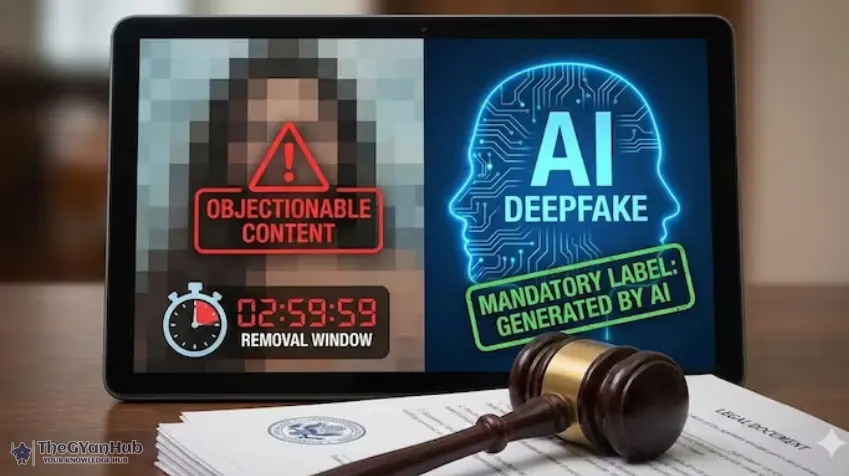
In a groundbreaking move, India has introduced new artificial intelligence (AI) regulations that require digital platforms to remove flagged content within a mere three hours. This swift action has ignited fears of over-censorship and raised questions about the balance between regulation and freedom of expression. As the digital landscape continues to evolve, these rules could have far-reaching implications for both users and content providers.

Under the new framework, social media platforms, online marketplaces, and other digital services must act quickly to address content deemed inappropriate or harmful. The regulations aim to enhance user safety and curb the spread of misinformation, particularly in light of recent global events that have highlighted the dangers of unchecked online content.
However, the three-hour window for content removal has sparked a debate about the feasibility and potential consequences of such stringent measures. Critics argue that this rushed approach may lead to excessive censorship, where platforms might err on the side of caution and remove legitimate content to avoid penalties.
The primary concern surrounding these regulations is the risk of over-censorship. With platforms pressured to comply within a tight timeframe, there is a fear that they may prioritize speed over accuracy. This could result in the unjust removal of content that does not actually violate any guidelines.
Impact on Free Speech: Many advocates for free speech argue that the regulations could stifle open dialogue and dissenting opinions, particularly in political contexts.
Chilling Effect: The fear of having content removed may discourage users from expressing themselves freely, leading to a chilling effect on online discourse.
Accountability Issues: There are concerns about who decides what content is flagged and the transparency of the processes involved.
The tech industry has responded with a mix of apprehension and calls for clearer guidelines. Many companies are already grappling with the challenges of moderating vast amounts of content. The new rules may require significant adjustments to their operations, including the implementation of advanced AI tools to assist in content moderation.
Some industry leaders have expressed the need for a collaborative approach between the government and tech companies to ensure that regulations are effective without compromising user rights. They advocate for a more balanced framework that allows for timely action while protecting freedom of expression.
India's approach to AI regulation is not unique. Several countries are grappling with similar challenges as they seek to regulate online content while safeguarding civil liberties. For instance, the European Union has introduced the Digital Services Act, which aims to hold platforms accountable for harmful content but also emphasizes the importance of transparency and user rights.
As nations navigate this complex landscape, the balance between regulation and freedom of expression remains a critical issue. India's new rules could set a precedent for other countries, prompting a global discussion on the ethical implications of AI in content moderation.
India's new AI regulations, with their stringent three-hour content removal requirement, have sparked significant debate about the potential for over-censorship. As the digital landscape continues to evolve, it is crucial for policymakers, tech companies, and users to engage in constructive dialogue to ensure that regulations protect both safety and freedom of expression. The implications of these rules will likely resonate beyond India's borders, influencing global discussions on digital governance.

May 11, 2026
On National Technology Day, a striking trend emerges as India purchases an AI course every three minutes. This article explores whether this investment in AI education is truly yielding benefits.

April 28, 2026
The viral ChatGPT palm reader meme has ignited concerns about privacy, with many fearing that the CIA may have access to their fingerprints. This article explores the origins of the meme and the underlying anxieties it reflects.

April 27, 2026
OpenAI is venturing into the smartphone market with an innovative AI device that boasts agentic capabilities, posing a significant challenge to industry giants like Apple and Samsung. This article explores the potential impact of this groundbreaking technology.

I’m a passionate writer who loves exploring ideas, sharing stories, and connecting with readers through meaningful content.I’m dedicated to sharing insights and stories that make readers think, feel, and discover something new.