Indian Roads Set for Safety Upgrade with Innovative Vehicle-to-Vehicle Technology
3 min readTechnology
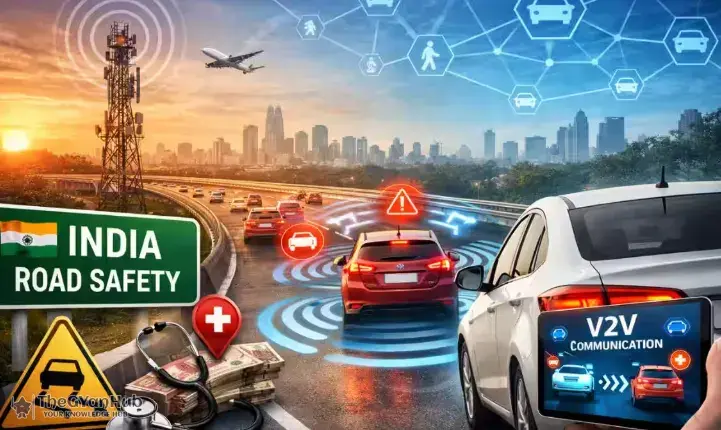
In a groundbreaking move to enhance road safety, India is set to implement vehicle-to-vehicle (V2V) technology. This system will enable vehicles to communicate with each other, providing real-time alerts to drivers about potential hazards on the road. With the increasing number of vehicles on Indian roads, the need for such technology has never been more critical.
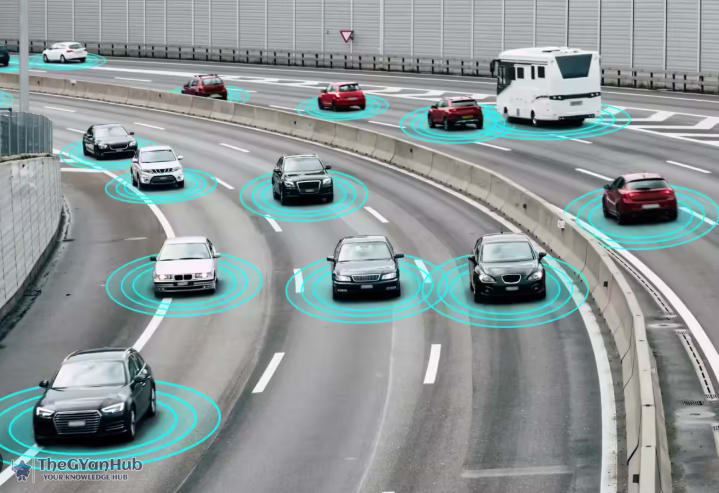
The V2V technology is designed to reduce accidents and improve traffic management. By allowing vehicles to share information about their speed, location, and direction, drivers will receive timely warnings about potential collisions or dangerous situations ahead.
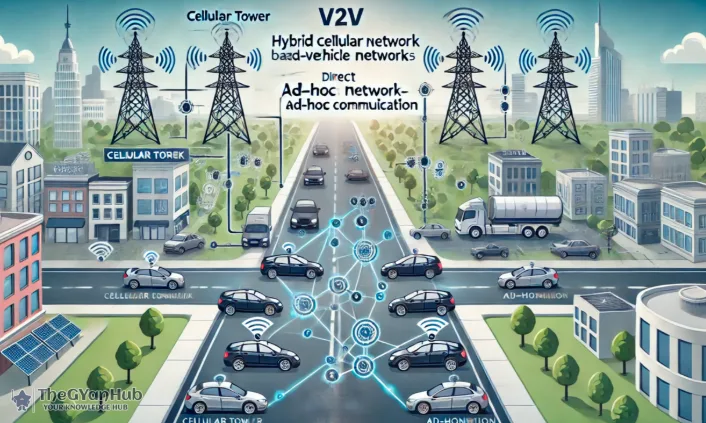
The V2V system operates using dedicated short-range communications (DSRC) technology, which allows vehicles to exchange data at high speeds. This communication occurs in real-time, enabling vehicles to alert each other about various conditions such as sudden stops, road obstructions, or adverse weather conditions.
Collision Avoidance: Vehicles can warn each other of imminent collisions, allowing drivers to take evasive action.
Traffic Signal Alerts: The system can inform drivers about upcoming traffic signals, helping them to adjust their speed accordingly.
Road Condition Updates: Vehicles can share information about road conditions, such as potholes or debris, enhancing overall safety.
The introduction of V2V technology in India promises numerous benefits. Firstly, it aims to significantly reduce the number of road accidents, which have been a major concern in the country. According to recent statistics, India has one of the highest rates of road fatalities in the world.
Moreover, this technology will facilitate better traffic flow, reducing congestion and travel times. By receiving alerts about traffic conditions, drivers can make informed decisions, leading to a smoother driving experience.
Additionally, V2V technology can contribute to environmental sustainability. By optimizing traffic flow and reducing idling times, emissions can be minimized, contributing to cleaner air in urban areas.
While the benefits of V2V technology are promising, there are challenges that need to be addressed. One of the primary concerns is the integration of this technology into existing vehicles. Many older models may not be equipped with the necessary hardware to support V2V communication.
Furthermore, ensuring the security and privacy of the data exchanged between vehicles is crucial. As with any technology that relies on data sharing, there is a risk of hacking or misuse of information.
The implementation of vehicle-to-vehicle technology in India marks a significant step towards improving road safety. By alerting drivers about potential hazards, this system has the potential to save lives and reduce accidents. As the country continues to modernize its infrastructure, embracing such innovative technologies will be essential for creating safer roads for all.
February 27, 2026
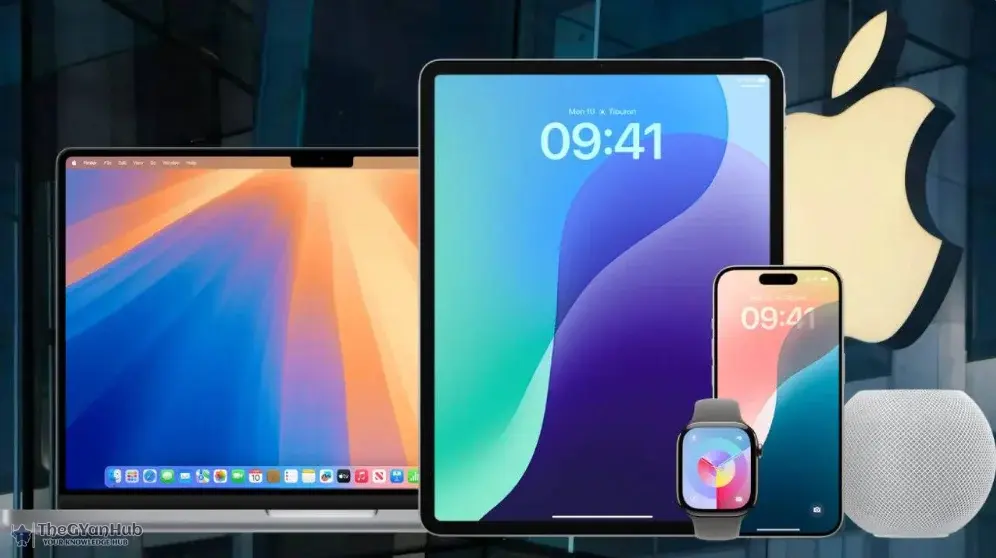
Apple's upcoming March event promises to showcase the much-anticipated iPhone 17e, along with a range of affordable MacBooks and other innovative devices. Stay tuned for the latest updates!

February 25, 2026
In a significant move, the Indian government has blocked five OTT platforms for streaming content deemed obscene. This decision raises questions about censorship and content regulation in the digital age.

February 24, 2026
The highly anticipated Nothing Phone 4a series is set to launch in India on March 5, with its design revealed ahead of the debut. This article explores the features and expectations surrounding the new smartphone.

I’m a passionate writer who loves exploring ideas, sharing stories, and connecting with readers through meaningful content.I’m dedicated to sharing insights and stories that make readers think, feel, and discover something new.