India Must Lead in Critical Technologies for Tech Sovereignty: Insights from Dr. Jitendra Singh
3 min readWorld News
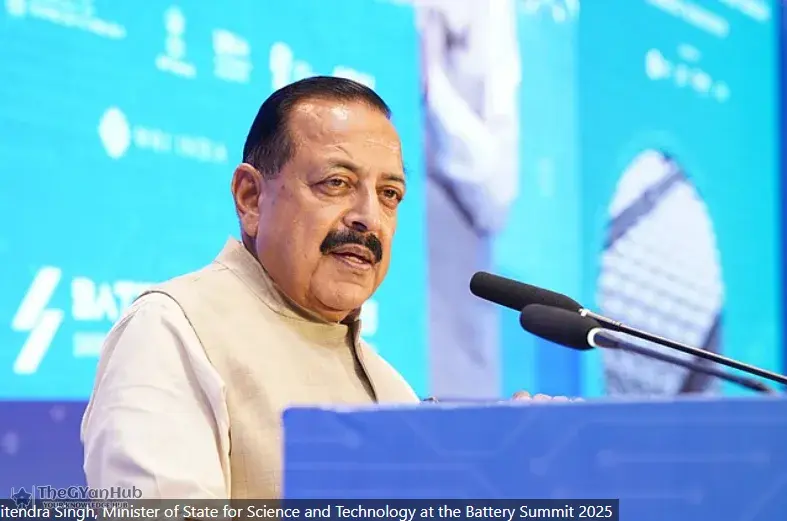
In a recent statement, Dr. Jitendra Singh, the Minister of State for Science and Technology, highlighted the urgent need for India to lead in critical technologies to secure its tech sovereignty. As the world becomes increasingly dependent on technology, the importance of self-reliance in this sector cannot be overstated. This article delves into the key points raised by Dr. Singh and the implications for India's technological landscape.
Tech sovereignty refers to a nation's ability to develop, control, and utilize technology independently. Dr. Singh pointed out that in today's globalized world, reliance on foreign technologies can pose significant risks to national security and economic stability. By leading in critical technologies, India can safeguard its interests and ensure sustainable growth.

Artificial Intelligence: AI is transforming industries, and India must invest in developing its own AI capabilities.
Cybersecurity: With increasing cyber threats, a robust cybersecurity framework is essential for protecting national data.
Semiconductor Manufacturing: Establishing a strong semiconductor industry is crucial for reducing dependency on imports.
Renewable Energy Technologies: Leading in renewable energy technologies can help India achieve its sustainability goals.
The Indian government has already initiated several programs aimed at boosting research and development in critical technologies. The Science and Technology Ministry is working closely with various stakeholders to create an ecosystem that fosters innovation and entrepreneurship.
Dr. Singh emphasized the importance of collaboration between the government and private sector. Public-private partnerships can accelerate the development of critical technologies by pooling resources and expertise. This collaborative approach can lead to groundbreaking innovations that benefit the entire nation.
While the vision for tech sovereignty is clear, several challenges remain. These include:
Funding: Adequate funding for research and development is essential to drive innovation.
Talent Acquisition: Attracting and retaining skilled professionals in the tech sector is crucial.
Infrastructure: Developing the necessary infrastructure to support tech advancements is a priority.
Dr. Jitendra Singh's call for India to lead in critical technologies is a timely reminder of the importance of tech sovereignty. By investing in key areas and fostering collaboration between the public and private sectors, India can secure its technological future. As the global tech landscape evolves, the nation's ability to innovate and adapt will be critical to its success.

May 11, 2026
Rahul Khona has made a significant return to Starbucks India as the Chief Technology Officer, bringing a wealth of experience to enhance the brand's technological advancements.

May 10, 2026
This article delves into the intricate dynamics of the coalition led by Vijay, highlighting the pivotal role played by the DMK amidst ongoing political maneuvers in Tamil Nadu.

April 29, 2026
Amazon is leveraging artificial intelligence to streamline its hiring process in anticipation of the upcoming festival rush. The company has also introduced a new AI design philosophy to enhance its operational efficiency.

I’m a passionate writer who loves exploring ideas, sharing stories, and connecting with readers through meaningful content.I’m dedicated to sharing insights and stories that make readers think, feel, and discover something new.