India Achieves Breakthrough in In-Orbit Surveillance Technology
3 min readWorld News

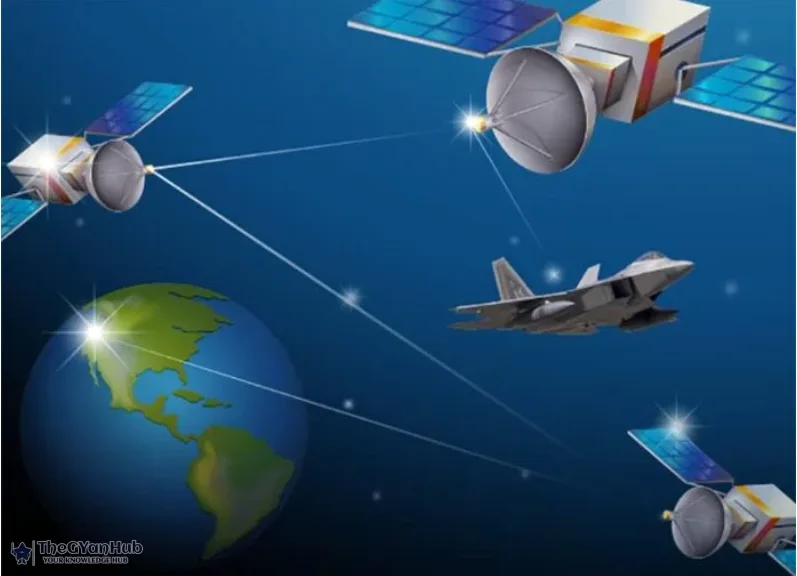
In a remarkable achievement for the Indian space sector, Ahmedabad-based Azista Industries Private Limited has unveiled a groundbreaking technology that enables the imaging of objects in orbit from another satellite. This advancement not only enhances India's surveillance capabilities but also positions the nation as a formidable player in the global space arena.

In-orbit surveillance technology is crucial for national security, allowing countries to monitor potential threats from adversarial satellites. With the ability to snoop on enemy satellites, India can gather intelligence that is vital for strategic planning and defense operations. This capability is particularly important in the context of regional tensions and the ongoing arms race in space.
Azista Industries, through its aerospace vertical, has developed this indigenous technology, showcasing India's growing prowess in the private space sector. The company has utilized advanced imaging techniques and satellite technology to create a system that can capture high-resolution images of objects in space. This achievement is a testament to the innovation and expertise present within India's aerospace industry.

The ability to monitor enemy satellites provides India with a strategic advantage. It allows for real-time intelligence gathering, which can be crucial during times of conflict or heightened tensions. By having access to detailed imagery of enemy assets, Indian defense forces can make informed decisions and enhance their operational readiness.
Military Surveillance: The primary application of this technology lies in military surveillance, enabling the Indian armed forces to keep a close watch on adversarial movements.
Disaster Management: Beyond military use, this technology can also assist in disaster management by monitoring natural disasters and assessing damage from space.
Environmental Monitoring: The capability can be leveraged for environmental monitoring, tracking changes in land use, deforestation, and climate change impacts.

Despite this significant advancement, challenges remain. The space domain is becoming increasingly congested, with numerous satellites orbiting the Earth. Ensuring the safety and security of these assets while conducting surveillance operations will require sophisticated technology and strategies.
The global community has taken note of India's advancements in space technology. Countries with established space programs are likely to view this development as a potential shift in the balance of power in space. As nations invest in their own surveillance capabilities, the competition in space is expected to intensify.
India's achievement in developing in-orbit spying capabilities marks a significant step forward for the nation’s defense and intelligence-gathering efforts. As the private space sector continues to grow, innovations like these will play a crucial role in shaping India's future in space exploration and security.

May 11, 2026
Rahul Khona has made a significant return to Starbucks India as the Chief Technology Officer, bringing a wealth of experience to enhance the brand's technological advancements.

May 10, 2026
This article delves into the intricate dynamics of the coalition led by Vijay, highlighting the pivotal role played by the DMK amidst ongoing political maneuvers in Tamil Nadu.

April 29, 2026
Amazon is leveraging artificial intelligence to streamline its hiring process in anticipation of the upcoming festival rush. The company has also introduced a new AI design philosophy to enhance its operational efficiency.

I’m a passionate writer who loves exploring ideas, sharing stories, and connecting with readers through meaningful content.I’m dedicated to sharing insights and stories that make readers think, feel, and discover something new.