ICC Summit Unveils Visionary Path for Sustainable, Tech-Driven Infrastructure in India
2 min readWorld News
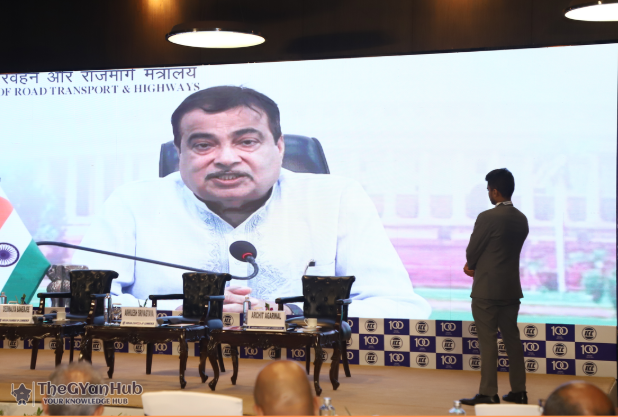
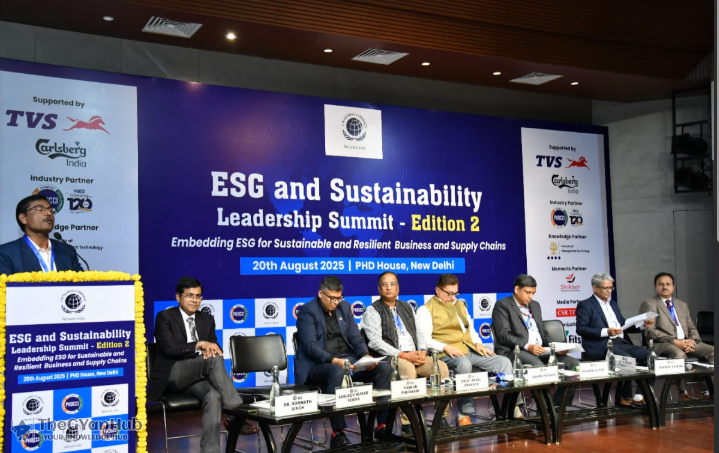
The International Chamber of Commerce (ICC) summit recently concluded with a groundbreaking roadmap aimed at transforming India's infrastructure landscape. This ambitious plan focuses on integrating sustainable practices with cutting-edge technology to meet the country's growing infrastructure needs.
The summit brought together industry leaders, policymakers, and experts to discuss the future of infrastructure in India. The key focus areas included sustainable development, technological integration, and policy reforms. The discussions emphasized the importance of adopting green technologies and innovative solutions to build resilient infrastructure.
The roadmap aligns with the United Nations' Sustainable Development Goals (SDGs), particularly focusing on clean energy, sustainable cities, and climate action. The ICC aims to reduce carbon footprints and promote eco-friendly construction practices across the nation.
Technology plays a pivotal role in the proposed infrastructure transformation. The summit highlighted the use of artificial intelligence, the Internet of Things (IoT), and blockchain technology to enhance efficiency and transparency in infrastructure projects. These technologies are expected to streamline processes and reduce costs significantly.

Despite the promising outlook, the summit acknowledged several challenges, including regulatory hurdles, funding constraints, and the need for skilled workforce. To address these, the ICC proposed policy reforms, public-private partnerships, and investment in skill development programs.
Policy reforms are crucial for facilitating the smooth implementation of the roadmap. The summit called for streamlined regulations and incentives to attract private investments and foster innovation in the infrastructure sector.
Public-private partnerships (PPPs) are seen as a viable solution to bridge the funding gap. The ICC encourages collaboration between government bodies and private enterprises to leverage resources and expertise for infrastructure development.

The ICC summit has set a visionary path for India's infrastructure sector, emphasizing sustainability and technological advancement. The successful implementation of this roadmap could position India as a global leader in sustainable infrastructure development.
February 28, 2026
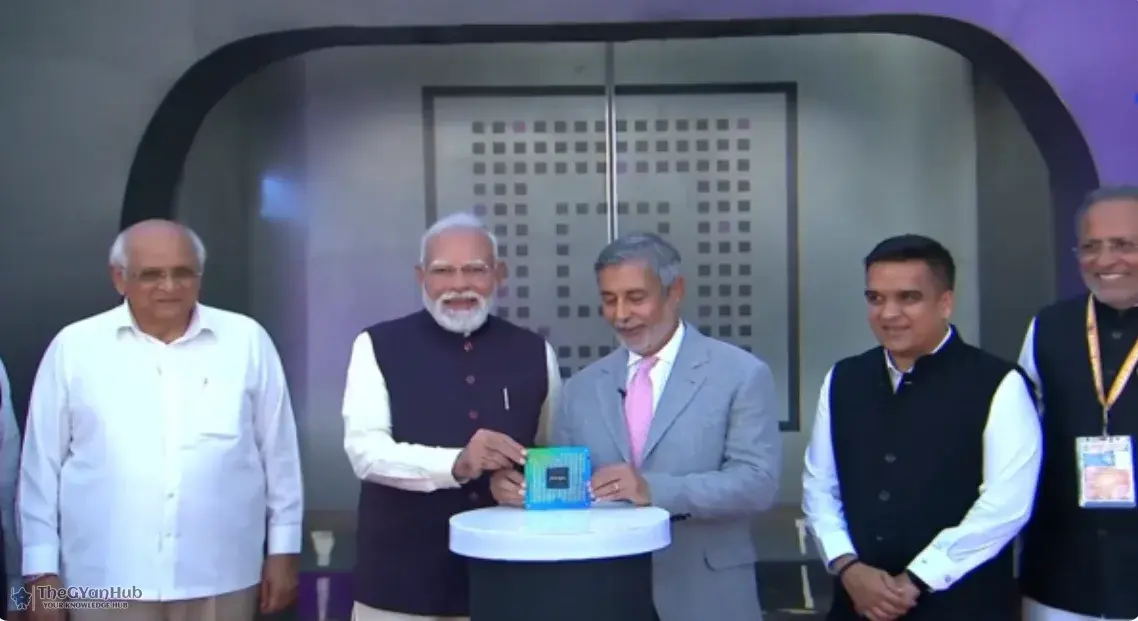
Prime Minister Narendra Modi inaugurated Micron's advanced semiconductor facility in Sanand, Gujarat, marking a significant step in India's pan-India semiconductor mission. This initiative aims to bolster the country's position in the global semiconductor supply chain.

February 28, 2026
Affle 3i Limited has been granted two new patents in India, enhancing its capabilities in advertisement technology. This development signifies a major step forward in the company's innovative approaches to digital marketing.

February 27, 2026
In a recent deposition, former President Bill Clinton asserted his innocence regarding the Epstein files, stating, 'I saw nothing, and I did nothing wrong.' This statement has sparked discussions and debates across various platforms.

I’m a passionate writer who loves exploring ideas, sharing stories, and connecting with readers through meaningful content.I’m dedicated to sharing insights and stories that make readers think, feel, and discover something new.