Hong Kong's Press Freedom Under Siege: Jimmy Lai's Conviction
2 min readWorld News

In a landmark case that has drawn international attention, Hong Kong media mogul Jimmy Lai was found guilty on three national security charges. This conviction has been widely criticized by rights groups as a significant blow to press freedom in Hong Kong, a city once known for its vibrant media landscape.
Jimmy Lai, the founder of the now-defunct Apple Daily, faced charges under Hong Kong's national security law, which was imposed by Beijing in 2020. The charges include collusion with foreign forces, a serious offense under the new legislation. Lai's conviction is seen as part of a broader crackdown on dissent in Hong Kong.
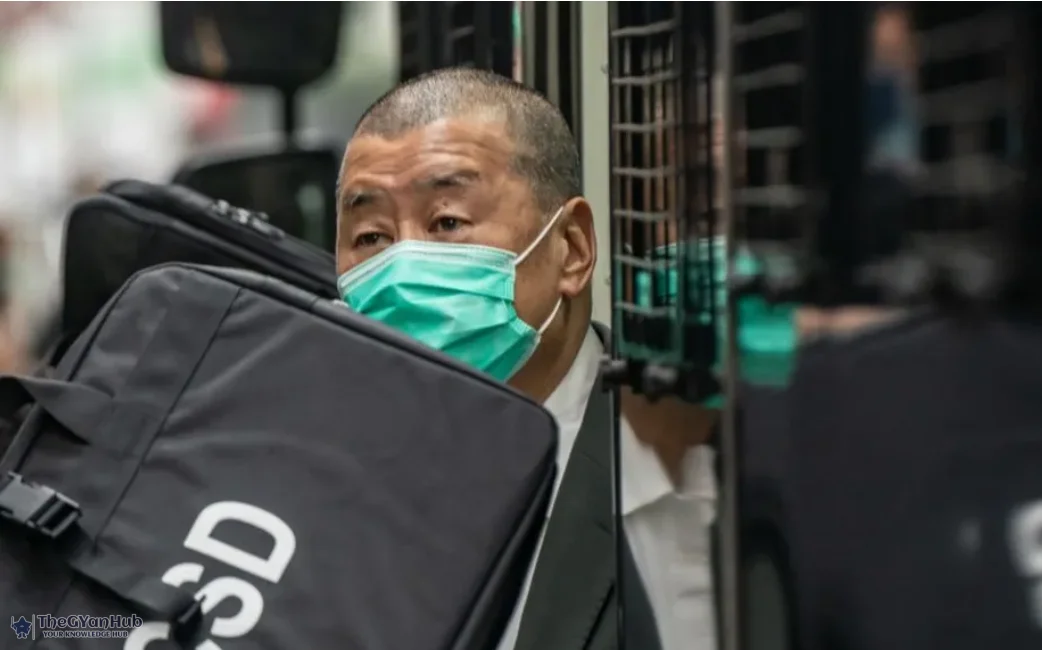
The conviction of Jimmy Lai has sent shockwaves through the media community in Hong Kong and beyond. Many journalists and media organizations fear that this marks the end of press freedom in the city. The national security law has been criticized for its vague definitions and potential to be used as a tool to silence dissent.
Human rights organizations have condemned the conviction, calling it a 'death knell' for press freedom in Hong Kong. Amnesty International and Human Rights Watch have both issued statements urging the international community to respond to the erosion of freedoms in the city.
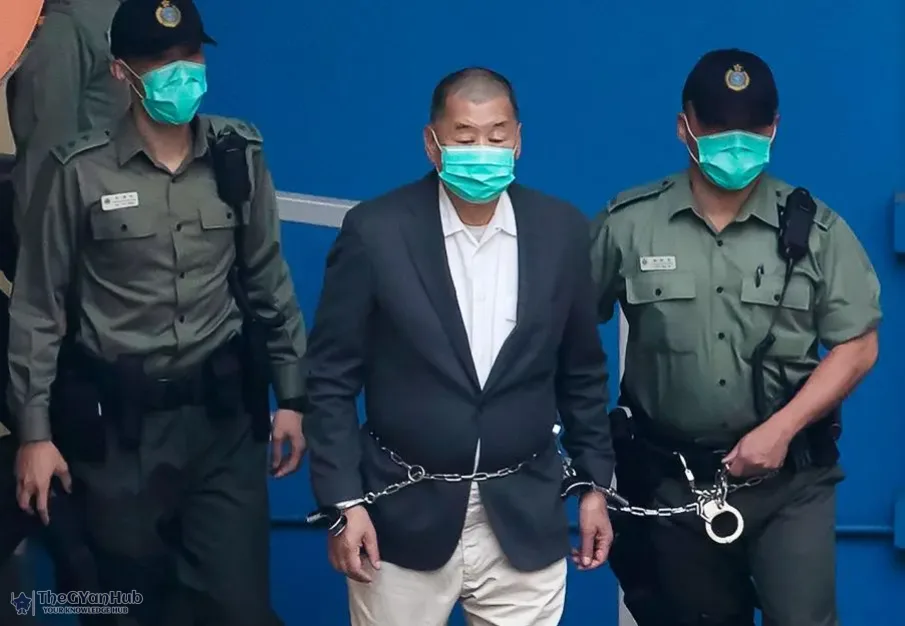
The international community has been closely monitoring the situation in Hong Kong. Several countries have expressed concern over the implications of Lai's conviction for press freedom and the rule of law. The United States and the European Union have both issued statements condemning the verdict.
With the conviction of one of its most prominent media figures, the future of journalism in Hong Kong looks uncertain. Many fear that self-censorship will become more prevalent as media outlets seek to avoid running afoul of the national security law.
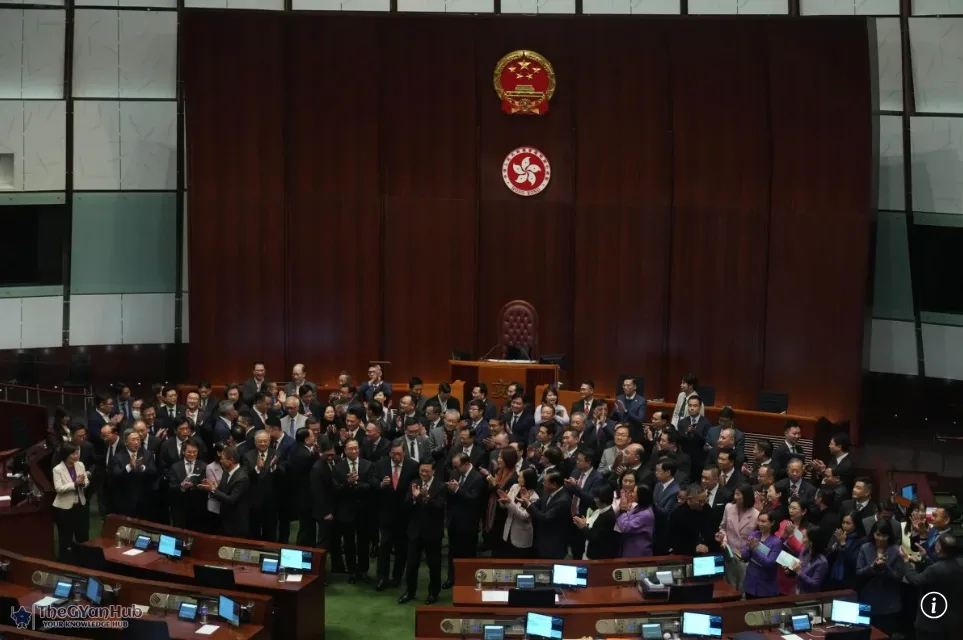
Jimmy Lai's conviction is a pivotal moment for Hong Kong, highlighting the ongoing struggle between the city's pro-democracy movement and Beijing's tightening grip. As the world watches, the outcome of this case will likely have lasting implications for the region's media landscape and its democratic aspirations.
May 11, 2026
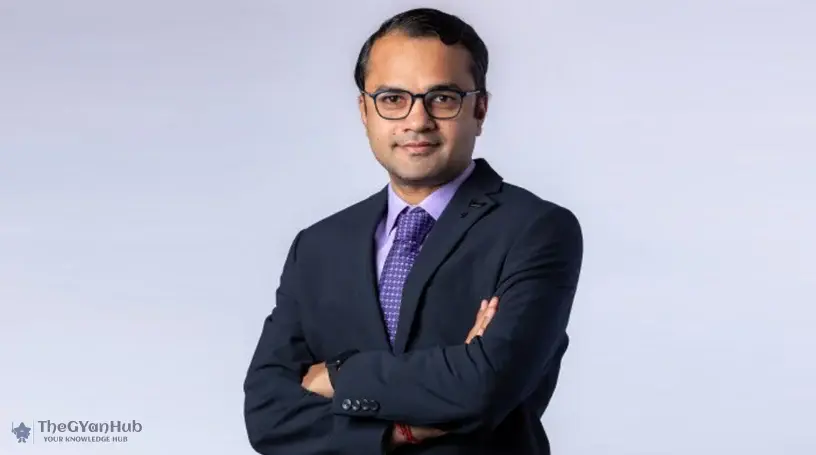
Rahul Khona has made a significant return to Starbucks India as the Chief Technology Officer, bringing a wealth of experience to enhance the brand's technological advancements.
May 10, 2026
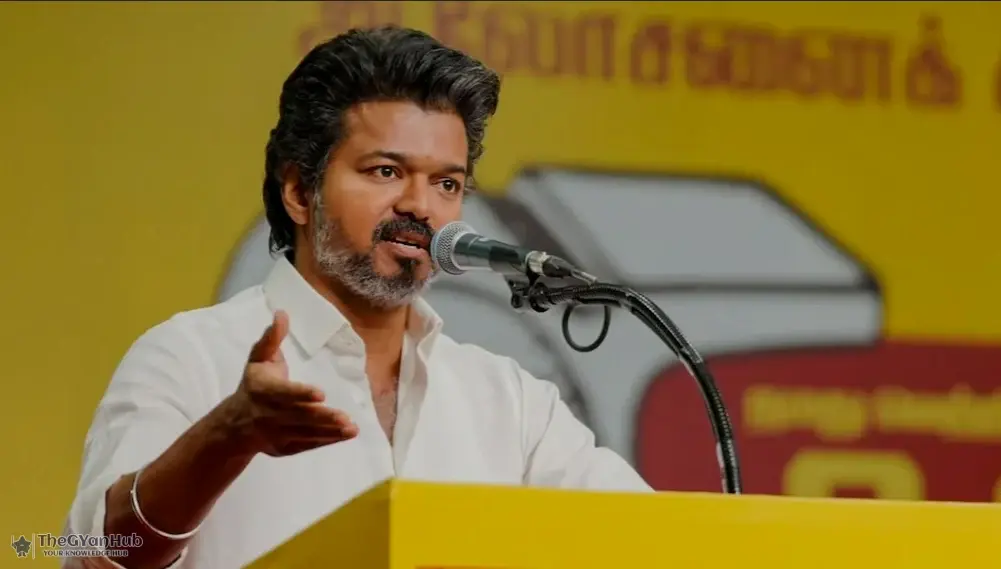
This article delves into the intricate dynamics of the coalition led by Vijay, highlighting the pivotal role played by the DMK amidst ongoing political maneuvers in Tamil Nadu.
April 29, 2026
Amazon is leveraging artificial intelligence to streamline its hiring process in anticipation of the upcoming festival rush. The company has also introduced a new AI design philosophy to enhance its operational efficiency.

I’m a passionate writer who loves exploring ideas, sharing stories, and connecting with readers through meaningful content.I’m dedicated to sharing insights and stories that make readers think, feel, and discover something new.