A History Of US-Led Regime Changes And Their Disastrous Consequences
3 min readWorld News
The United States has a long and controversial history of intervening in the affairs of other nations, often through regime change. This practice has been justified under various pretexts, including the promotion of democracy and the protection of human rights. However, the consequences of these interventions have frequently been disastrous, leading to instability, violence, and suffering in the affected regions.
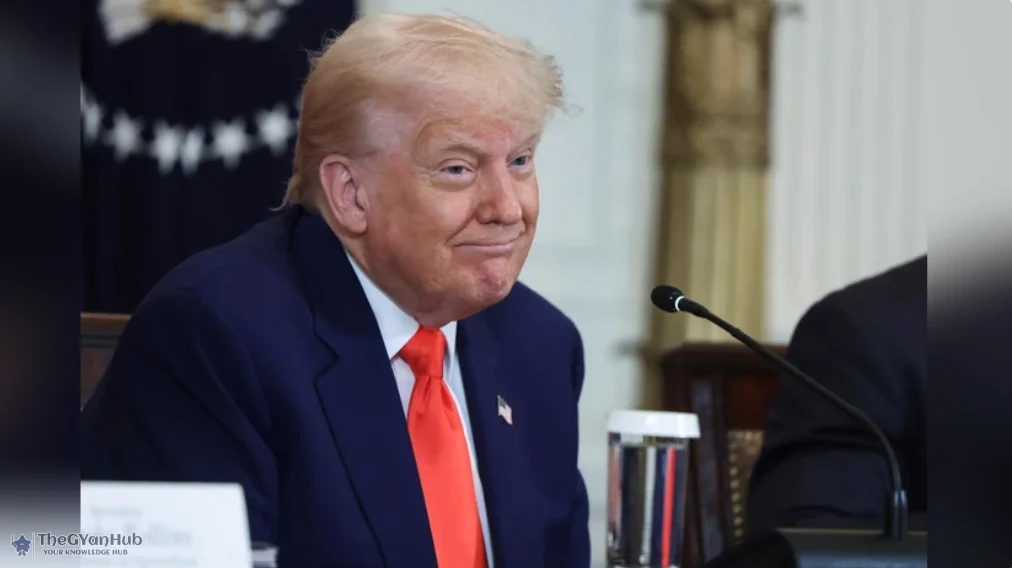
Recently, President Trump celebrated what he described as a flawless military operation in Venezuela, which included special forces, air strikes, and naval deployments aimed at seizing control from President Nicolas Maduro. This operation is just the latest example of the US's willingness to intervene militarily in the affairs of sovereign nations.
The roots of US-led regime changes can be traced back to the Cold War era, when the US sought to counter the influence of the Soviet Union. Notable examples include the overthrow of Iran's Prime Minister Mohammad Mossadegh in 1953 and the support for the coup against Chile's President Salvador Allende in 1973. These interventions were often cloaked in the rhetoric of democracy but resulted in long-term negative consequences for the countries involved.
The aftermath of US-led regime changes has often been marked by chaos and violence. In Iraq, the toppling of Saddam Hussein in 2003 led to a power vacuum that fueled sectarian violence and the rise of extremist groups like ISIS. Similarly, Libya's intervention in 2011 resulted in the ousting of Muammar Gaddafi but plunged the country into civil war and instability.
Increased violence and civil unrest
Economic collapse and humanitarian crises
Rise of extremist groups
Long-term instability and power vacuums
In Venezuela, the US has long sought to undermine the Maduro government, viewing it as a threat to regional stability. The recent military operation, while portrayed as a necessary action to restore democracy, has raised questions about the true motivations behind such interventions. Critics argue that these actions exacerbate the suffering of the Venezuelan people and fail to address the underlying issues.
The international community has often been divided on the issue of US-led regime changes. While some nations support the US's actions as a means of promoting democracy, others view them as imperialistic and a violation of sovereignty. Countries like Russia and China have condemned the US's interventions, arguing that they lead to greater instability.
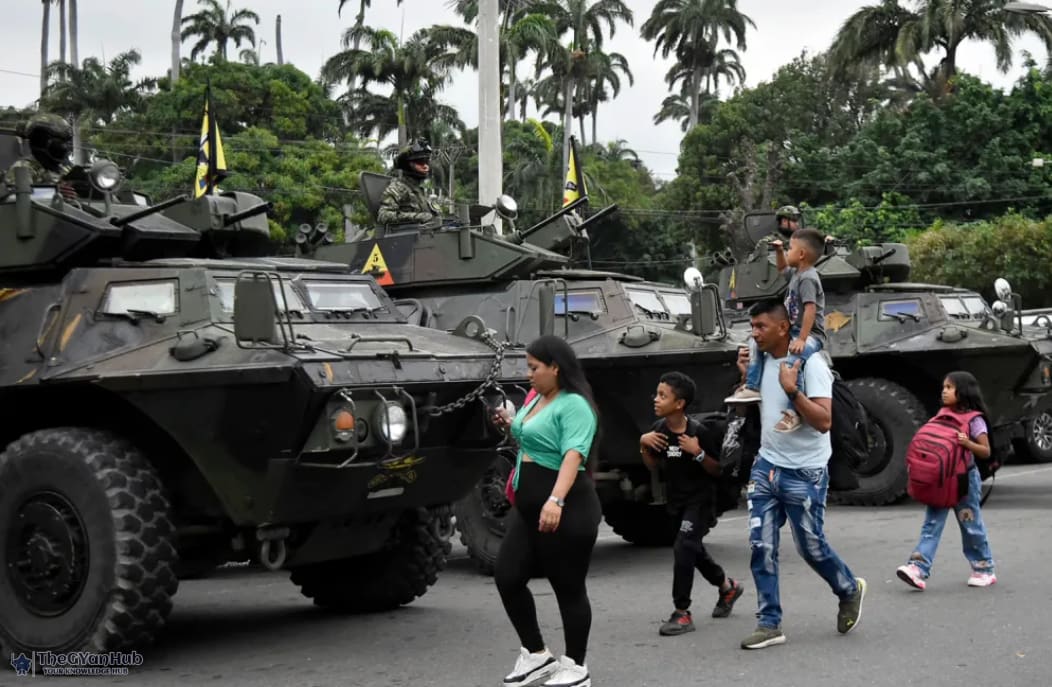
As history has shown, the consequences of US-led regime changes are often dire. The lessons learned from past interventions should prompt a reevaluation of foreign policy strategies. Diplomacy and dialogue may prove to be more effective tools in promoting stability and democracy than military intervention.
February 28, 2026
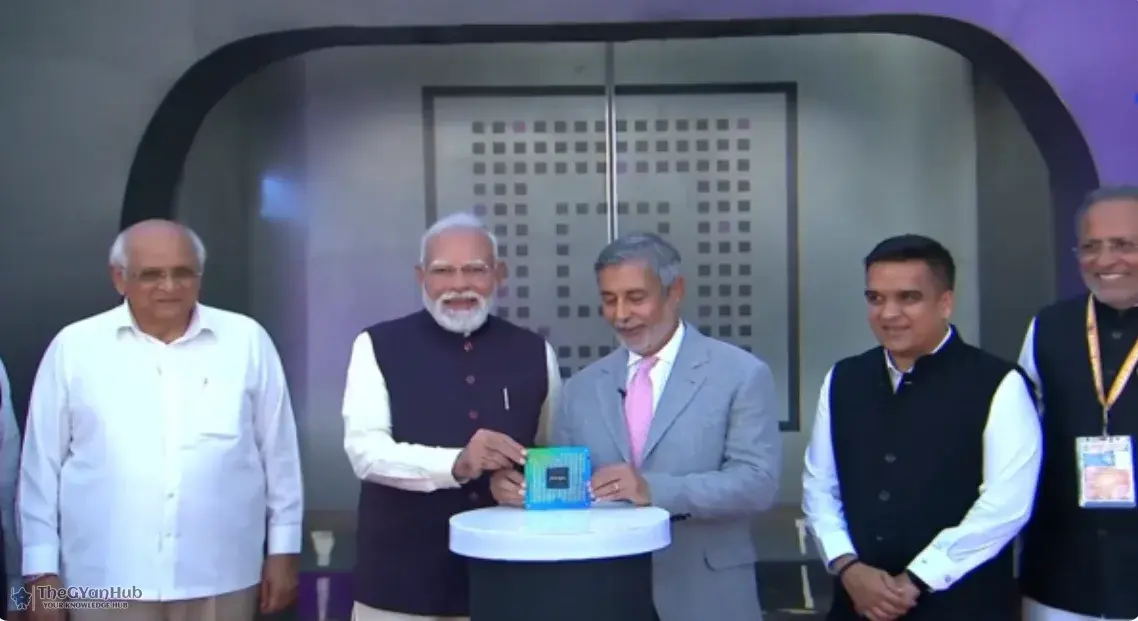
Prime Minister Narendra Modi inaugurated Micron's advanced semiconductor facility in Sanand, Gujarat, marking a significant step in India's pan-India semiconductor mission. This initiative aims to bolster the country's position in the global semiconductor supply chain.

February 28, 2026
Affle 3i Limited has been granted two new patents in India, enhancing its capabilities in advertisement technology. This development signifies a major step forward in the company's innovative approaches to digital marketing.
February 27, 2026
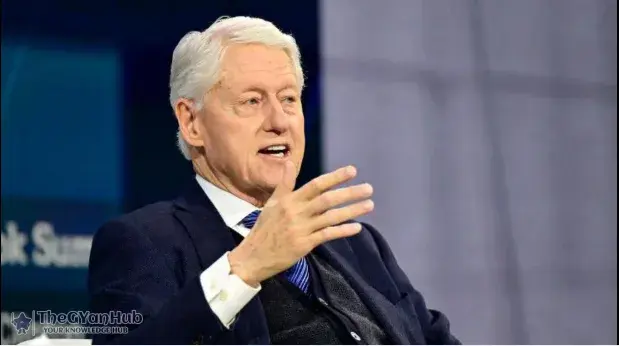
In a recent deposition, former President Bill Clinton asserted his innocence regarding the Epstein files, stating, 'I saw nothing, and I did nothing wrong.' This statement has sparked discussions and debates across various platforms.

I’m a passionate writer who loves exploring ideas, sharing stories, and connecting with readers through meaningful content.I’m dedicated to sharing insights and stories that make readers think, feel, and discover something new.